
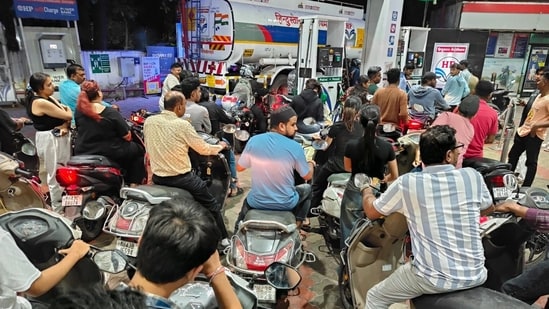
Why did India cut excise duty on petrol, diesel amid West Asia conflict? Government explains| India News
India’s Fuel Price Dilemma Government Shields Citizens Key Takeaways Omni 360 News
Amidst swirling global economic currents, particularly volatility stemming from the West Asia conflict, the Indian government confronted a significant fiscal challenge concerning fuel prices. The situation presented a stark choice: either allow petrol and diesel prices to surge, directly impacting citizens, or for the government to absorb the financial burden to insulate the populace from inflationary pressures. This critical decision was recently clarified by the Finance Minister.
Global crude oil prices have seen considerable fluctuations, a direct consequence of geopolitical tensions. These international movements often translate into higher domestic fuel costs, affecting everything from daily commutes to the price of essential goods transported across the nation. Recognizing this, the government opted to reduce the excise duty on petrol and diesel. This measure essentially means the government earns less revenue from fuel sales, directly subsidizing the cost for consumers. Sources ranging from regional financial journals like Business Standard and local economic desks corroborate this strategic move to mitigate the impact on household budgets and business operating costs, rather than passing the full brunt of international price hikes onto the public. This proactive step underscores a broader policy aim to maintain economic stability and protect purchasing power.
This isn’t an isolated incident. The government has previously intervened in similar ways during periods of global commodity price shocks, such as duty cuts in November 2021 and May 2022. Such actions, while providing immediate relief to consumers, also mean a substantial hit to the national exchequer. It reflects a delicate balancing act between fiscal health and citizen welfare, especially crucial in an economy striving for sustained growth. For a 12th-grade student, this means understanding that when global oil prices go up, the government could either let you pay more at the pump or pay for some of it itself, saving your family money but reducing its own income for other projects. This approach, as observed by Omni 360 News, is a conscious policy choice to prioritize the financial well-being of Indian citizens.
Key Takeaways:
- The government faced a direct choice: increase fuel prices or absorb the cost to protect citizens.
- It opted to reduce excise duty on petrol and diesel, insulating consumers from global crude oil price hikes.
- This decision, influenced by West Asia conflicts, highlights a commitment to economic stability and citizen welfare.
- The move comes at a cost to government revenue but provides significant relief to households and businesses.
- Past actions confirm a pattern of government intervention to manage fuel costs during global crises.





