
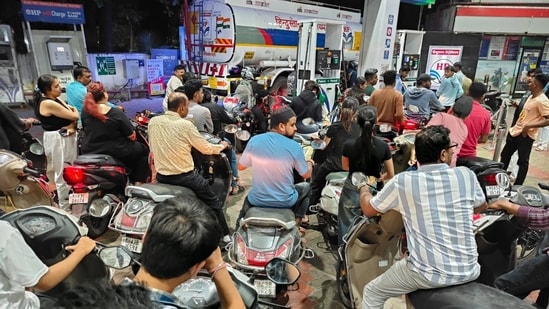
Petrol, diesel prices on March 27 after fuel excise cut. Check city-wise rates| India News
India’s Fuel Prices Hold Steady Hyderabad Leads Major City Costs
For millions across India’s bustling urban centers, the daily fuel expenditure remains a critical point of household budgeting. Recent observations from Omni 360 News and other regional economic reports indicate a period of relative calm at the petrol pumps. Fuel prices in major cities have largely held steady, offering a consistent outlook for commuters and businesses alike. This stability follows earlier adjustments, providing a temporary reprieve from frequent fluctuations.
While most metropolitan areas witnessed minimal changes, one city continues to stand out with the highest petrol rates: Hyderabad. The Telangana capital recorded petrol at approximately ₹107.50 per liter. This figure is notably higher when compared to other key metros. For instance, Delhi saw prices around ₹94.72, Mumbai at ₹104.21, Kolkata ₹103.94, and Chennai ₹100.75. The reasons for Hyderabad’s elevated rates often involve varying state-level taxes and levies, which add to the base price determined by crude oil costs and central excise duties. Local news outlets in Hyderabad frequently highlight these higher rates, reflecting a persistent concern among residents and transporters in the region.
This sustained pricing across cities, excluding Hyderabad’s specific scenario, suggests a period where global crude oil benchmarks have found a temporary equilibrium, and domestic pricing policies are also contributing to predictable consumer costs. Understanding these dynamics is crucial for anyone managing their daily travel or business logistics.
Key Takeaways:
- Petrol prices generally remained unchanged across India’s major cities.
- Hyderabad recorded the highest petrol price among key metros, approximately ₹107.50.
- This stability offers predictable fuel costs for consumers in most urban areas.
This stable period, while welcomed by many, underscores the complex interplay of international oil markets and domestic taxation that ultimately shapes what consumers pay at the pump. Continuous monitoring of these factors remains essential for understanding future trends.





