
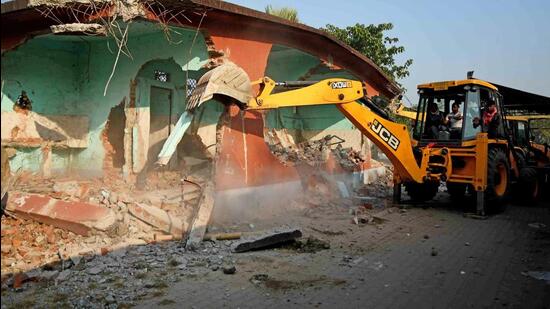
Evictions, displacement may shape verdict in some Assam seats| India News
Assam Elections Focus on Eviction Crisis and Compensation Demands Key Takeaways for Voters
As the political fervor intensifies across Assam, a deeply human and often contentious issue—mass evictions—has emerged as a central talking point, poised to significantly influence voter sentiment in several key constituencies. Thousands of families, many from minority communities, have faced displacement, turning the promise of fair compensation and rehabilitation into a critical electoral battleground. This complex scenario demands a closer look, offering a vital lens through which to understand the state’s socio-political landscape.
For years, successive governments in Assam have undertaken eviction drives, primarily citing reasons of clearing alleged encroachments from forest lands, wildlife sanctuaries, and government-owned properties. While authorities often emphasize the need to protect natural resources and reclaim public assets, the execution of these drives frequently sparks widespread distress among the affected populations. These are not merely administrative actions; they are events that uproot lives, shatter livelihoods, and dismantle established communities, often with little notice or adequate preparation.
Many of those impacted by these evictions are economically vulnerable, having lived on these lands for generations, albeit without formal titles. Reports from local community leaders and affected families often highlight the suddenness of these actions. For a 12th-standard student trying to understand, imagine your family being told to leave your home, your school, your entire neighborhood, sometimes with just a few days’ warning, because the land you live on is deemed government property. This is the stark reality for thousands in Assam.
A significant portion of the affected populace belongs to various minority communities, including Bengali-speaking Muslims and indigenous groups, who assert their long-standing presence and, in many cases, historical ties to the land. This demographic aspect often adds a communal layer to the already sensitive issue, leading to allegations of selective targeting by critics and human rights activists. While the government maintains its actions are impartial and solely based on legal land claims, the perception on the ground for many is one of discrimination and injustice. Local news outlets across Assam frequently carry personal stories of families losing their farms, small shops, and educational opportunities for their children, painting a vivid picture of the human cost. These localized reports often detail the struggle for basic shelter and food in the immediate aftermath, far from the larger political narrative.
The crux of the matter in the current electoral discourse revolves around compensation and proper rehabilitation. Displaced families are not simply asking for money; they are demanding a stable future. This includes alternative land for resettlement, assistance in rebuilding homes, access to basic amenities like water and sanitation, and support for resuming livelihoods, which are often agricultural or small-scale trading activities. Political parties are acutely aware of this sentiment. Opposition parties are vigorously campaigning on promises of halting further evictions without proper rehabilitation plans, and ensuring equitable compensation for those already displaced. They highlight the distress caused and critique the incumbent government’s approach as heavy-handed and lacking empathy.
On the other side, the ruling dispensation defends its actions as essential for environmental preservation and ensuring legal land ownership. They often point to development projects that require land clearance or the need to secure vulnerable areas like Kaziranga National Park from encroachment. However, they are also under pressure to address the humanitarian concerns, sometimes announcing packages or schemes for rehabilitation, although the effectiveness and reach of these programs remain a point of contention for many affected families and local advocacy groups. Local reports from regions like Batadrava or Lumding often detail the slow pace of aid reaching beneficiaries or the inadequacy of the support provided.
The situation is a delicate balance between development goals, legal enforcement, and human rights. For an election, this translates into a powerful emotional issue that resonates deeply with voters, not just those directly affected, but also their extended families, neighbors, and sympathetic communities. The outcome in several constituencies, particularly those with a significant presence of displaced communities or areas prone to future eviction drives, could swing significantly based on how voters perceive the candidates’ commitment to addressing their plight. Promises made on the campaign trail concerning land rights, dignified rehabilitation, and fair compensation will be scrutinized closely by an electorate that has witnessed firsthand the devastating impact of such policies.
Omni 360 News understands that these are not just statistics; they are stories of resilience, struggle, and the enduring quest for justice. The elections in Assam are more than a political contest; they are a referendum on governance, compassion, and the fundamental right to a stable life. As the state goes to the polls, the shadows of eviction and the demand for a fair deal will undoubtedly shape the democratic verdict.
Key Takeaways for Voters:
- Humanitarian Crisis: Evictions have displaced thousands, primarily from minority groups, impacting their homes, livelihoods, and access to basic services.
- Political Hot Potato: Compensation and rehabilitation for these displaced families have become a central campaign issue for all major political parties.
- Differing Narratives: The government emphasizes land protection and legal compliance, while opposition parties highlight humanitarian concerns and lack of proper rehabilitation.
- Local Impact Matters: The issue resonates deeply at the grassroots level, potentially swaying voter decisions in areas with affected communities.
- Future of Stability: Voters are looking for assurances of land security and dignified living conditions from their chosen representatives.





