
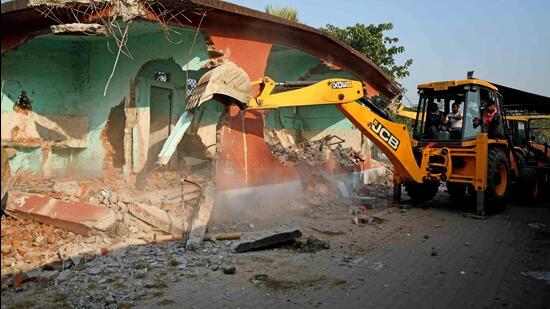
Evictions, displacement may shape verdict in some Assam seats| India News
Assam Elections And The Lingering Shadow of Evictions
As Assam gears up for its pivotal elections, a pervasive issue casts a long shadow over the electoral landscape: the widespread evictions that have uprooted thousands of families across the state. These displacements, often carried out without clear rehabilitation plans, have become a central point of contention, particularly impacting minority communities and transforming compensation into a defining campaign issue. Omni 360 News delves into the complexities of this emotionally charged topic, examining its humanitarian toll and profound political implications.
Over recent years, Assam has witnessed multiple large-scale eviction drives aimed at clearing what authorities deem “encroached” land. From the riverine *char* areas to forest reserves and public lands, these operations have been justified by the need to protect government property, expand agricultural projects, or conserve wildlife habitats. However, the human cost has been immense, with thousands suddenly finding themselves homeless, their lives disrupted, and livelihoods shattered. Many local reports have highlighted the suddenness of these drives, leaving families with little time to salvage belongings or find alternative shelter. Villages that had existed for generations, with residents holding various forms of identification, suddenly found their existence questioned and their homes demolished.
The demographic most affected by these evictions has disproportionately been the Bengali-speaking Muslim community, often referred to as ‘Miya’ Muslims. Many of these families reside in the vulnerable *char* areas, islands formed by the Brahmaputra River’s shifting course, or on land historically settled but now declared government property. For decades, these communities have faced challenges, including recurring floods and erosion, forcing them to relocate frequently. The recent eviction drives have added another layer of precarity, intensifying their struggle for land rights and a stable existence. Local journalists have documented countless stories of despair from families, including women, children, and the elderly, left without a roof over their heads, often forced to live in makeshift shelters or move in with relatives, straining already limited resources. This has led to accusations from various civil society groups and opposition parties that the evictions target specific communities under the guise of land protection.
A critical dimension of this issue, and a major flashpoint in the current election cycle, is the almost complete absence of adequate compensation or rehabilitation for the displaced. While government bodies assert these lands are illegally occupied, affected communities argue they have lived there for generations, often paying taxes and possessing valid electoral identities. The state’s policy, in many instances, has been to consider these individuals as “encroachers” and therefore not entitled to resettlement or financial aid. This stance starkly contrasts with norms in other parts of India where large-scale development projects or environmental protection measures typically include provisions for rehabilitation for displaced populations. The lack of a clear, compassionate framework for those uprooted has fueled widespread anger and a sense of injustice, turning “compensation” and “rehabilitation” into potent slogans for the opposition.
Politically, the evictions have significantly altered the dynamics in several constituencies. Areas with a substantial displaced population are now seeing intense campaigning where opposition parties, particularly the Congress and the All India United Democratic Front (AIUDF), are vocally condemning the government’s approach. They highlight the humanitarian crisis, promising land rights, compensation, and resettlement if they come to power. For these parties, the evictions represent a tangible failure of governance and an opportunity to rally support from aggrieved communities and sympathetic voters. They accuse the ruling dispensation of employing divisive tactics and neglecting the welfare of its citizens.
Conversely, the ruling party defends its actions by emphasizing the importance of safeguarding public land and natural resources. Their narrative often frames evictions as a necessary step to curb illegal encroachment, protect indigenous land rights, and ensure planned development. They argue that those evicted are often not original inhabitants but recent settlers on government land. This narrative resonates with a segment of the electorate concerned about land security and environmental preservation. The government’s strategy seeks to balance development goals with public land protection, even if it means difficult decisions regarding existing settlements.
The upcoming election results in many of these affected constituencies could very well hinge on how voters perceive the handling of the eviction crisis. For thousands of families, the election is not just about political power but about their very future, their right to a home, and the promise of a dignified life. The long-term implications for social harmony and inclusive development in Assam will depend heavily on whether a just and equitable solution can be found for those living under the constant threat of displacement. Omni 360 News will continue to monitor these developments closely as the state heads to the polls.
Key Takeaways
- Assam’s recent widespread eviction drives have uprooted thousands, making land rights and displacement a critical election issue.
- Bengali-speaking Muslim minority communities have been disproportionately affected by these operations.
- A major point of contention is the lack of adequate compensation or rehabilitation for the displaced families.
- Opposition parties are leveraging the humanitarian crisis of evictions as a key campaign promise for land rights and compensation.
- The ruling party defends the evictions as necessary to protect public land and curb illegal encroachment.
- The electoral outcome in several constituencies could be significantly influenced by how voters react to the issue of evictions and proposed solutions.





