
PNG vs LPG: Why piped natural gas is holding up while cylinders struggle amid Strait of Hormuz chokehold| India News
India’s Energy Shift Piped Gas Steadies Amid Global LPG Jitters Key Takeaways
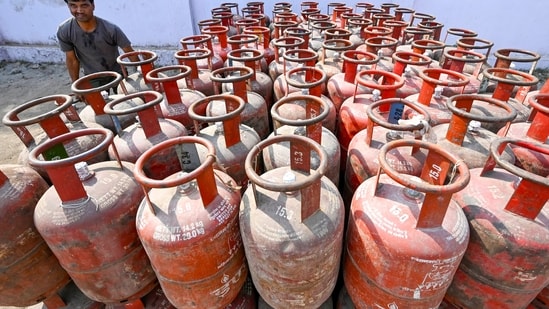
The familiar sight of a bright red LPG cylinder gracing Indian kitchens has long been a constant. It represents convenience, modernity, and a staple for cooking in countless homes. Yet, beneath this seemingly stable presence, a silent but significant shift is underway, championed by the Indian government. Amidst a turbulent global landscape, marked by geopolitical tensions and supply chain disruptions, the nation is steadily promoting a transition from the bottled gas to Piped Natural Gas (PNG). For Omni 360 News, understanding this pivot is crucial, as it impacts not just national energy security but also the daily lives and household budgets of millions.
Global events often seem distant, yet their repercussions can ripple through local markets with surprising speed. The recent volatility in international crude oil prices, exacerbated by strategic chokeholds like the Strait of Hormuz, directly impacts the cost and availability of Liquefied Petroleum Gas (LPG). This narrow sea passage, critical for a significant portion of the world’s oil and gas transit, becomes a focal point whenever regional tensions flare. Any disruption there sends shockwaves across global energy markets, directly pushing up the price of LPG cylinders for consumers in Indian cities and villages alike. Local reports from cities like Mumbai, Delhi, and Bangalore have consistently highlighted how families grapple with the unpredictable monthly price hikes of LPG, often straining already tight budgets. The uncertainty of cylinder delivery, refilling queues, and the physical effort of handling heavy cylinders only add to the consumer’s burden.
In contrast, Piped Natural Gas emerges as a beacon of stability. Imagine a continuous, uninterrupted flow of cooking gas directly to your stove, without the need for booking, delivery, or worrying about the cylinder running out mid-meal. This is the promise of PNG. It is essentially natural gas, primarily methane, delivered through an extensive network of underground pipelines directly to homes and commercial establishments. This sophisticated distribution system offers several compelling advantages over its bottled counterpart.
Firstly, continuity of supply is perhaps its most significant benefit. Unlike LPG, which relies on a complex supply chain involving imports, bottling, and transportation, PNG is delivered directly through resilient pipeline infrastructure. This substantially reduces the risk of shortages or interruptions, even when international markets face turmoil. Local city gas distribution (CGD) companies in regions like Gujarat and Maharashtra have reported high reliability rates, even during periods when LPG supplies were tight.
Secondly, price stability is a major draw. While not entirely immune to global market dynamics, PNG prices are often governed by long-term contracts and regulated by domestic policies, leading to fewer sudden and drastic price fluctuations compared to LPG. This predictability allows households to better manage their monthly expenses, a point frequently emphasized by residents in cities like Pune and Ahmedabad who have made the switch. The initial conversion cost for PNG, which involves installation of a meter and internal piping, is often offset by these long-term savings and the convenience factor.
Moreover, PNG is generally considered safer. The gas is lighter than air, meaning that in the unlikely event of a leak, it dissipates quickly into the atmosphere. Cylinders, on the other hand, contain pressurized liquid, and any leak poses a more concentrated hazard. The convenience of not having to store bulky, heavy cylinders inside the kitchen also contributes to a cleaner and more organized living space.
The Indian government’s push for a “gas-based economy” is a strategic move to enhance the nation’s energy security and reduce reliance on imported fossil fuels. Expanding the city gas distribution (CGD) network has been a priority, with significant investments in laying down new pipelines across urban and semi-urban areas. Initiatives by entities like GAIL India and various local gas companies are actively connecting more households to the PNG grid. This infrastructure development is not just about cooking gas; it’s a foundational step towards a cleaner energy future, supporting industrial and commercial needs too.
For the average Indian family, the shift signifies not just a change in fuel but an upgrade in lifestyle. From eliminating the hassle of cylinder booking and exchange to enjoying a continuous and potentially more affordable energy source, PNG offers a tangible improvement in daily living. While the transition requires infrastructure, which takes time and investment, the long-term benefits for both individual consumers and national energy resilience are clear. Omni 360 News observes this as a critical evolution in India’s energy story, reflecting a proactive approach to global challenges.
Key Takeaways:
* Global tensions, particularly impacting transit routes like the Strait of Hormuz, make LPG cylinder prices volatile and supply unpredictable.
* The Indian government actively promotes PNG to bolster national energy security and offer a more stable fuel alternative.
* PNG provides continuous, uninterrupted gas supply directly to homes through pipelines, eliminating cylinder-related hassles.
* Compared to LPG, PNG often offers greater price stability, helping households manage budgets more effectively.
* The expansion of city gas distribution networks is a key government initiative, laying the groundwork for a more robust and cleaner energy infrastructure nationwide.





