
Adani Ports announces India's first Port of Refuge mechanism to boost maritime safety| India News
**Adani Ports Establishes India’s First Port of Refuge Boosting Maritime Safety**
For years, the vast coastlines of India, bustling with merchant ships and fishing vessels, have lacked a critical piece of maritime infrastructure: a designated safe harbor for ships in distress. This long-standing gap in emergency preparedness has often left vessels grappling with mechanical failures, fires, or other critical situations vulnerable, potentially leading to environmental catastrophes or loss of life. However, a significant development is now charting a new course for maritime safety in the region.
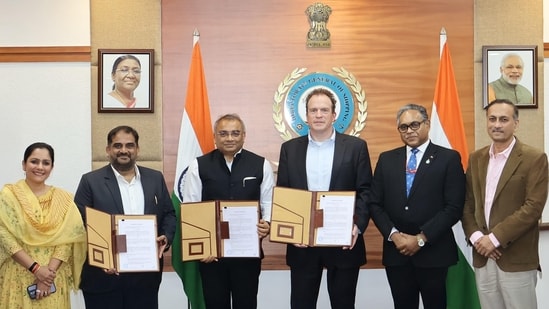
Adani Ports and Special Economic Zone (APSEZ) has announced the establishment of India’s first dedicated “Port of Refuge” mechanism. This pioneering initiative, spearheaded at Kandla in Gujarat, marks a pivotal moment for India’s maritime industry and underscores a commitment to safeguarding both human lives at sea and the delicate marine environment.
Understanding a Port of Refuge
To grasp the magnitude of this announcement, it is essential to understand what a Port of Refuge truly is. Imagine a ship sailing the high seas when suddenly, an engine breaks down, a fire erupts onboard, or its cargo shifts dangerously, threatening to capsize the vessel. In such dire situations, these ships often need a safe place to go, a harbor where they can receive assistance, carry out repairs, and prevent further damage or pollution.
Historically, distressed ships have frequently been denied entry into ports. This reluctance stems from valid concerns about potential environmental damage from spills, the costs of managing an emergency, or the disruption to regular port operations. This denial, however, can exacerbate the crisis, pushing already vulnerable vessels into more perilous conditions further out at sea. A Port of Refuge directly addresses this problem by providing a pre-designated, equipped location specifically for such emergencies. It’s like a dedicated emergency lane on a busy highway, reserved only for vehicles in critical trouble.
A Timely and Essential Development for India
India, with its extensive coastline and burgeoning maritime trade, is a signatory to the International Maritime Organisation (IMO) guidelines on Places of Refuge. Yet, implementing these guidelines on the ground has been a complex challenge. The Adani Ports initiative at Kandla, developed in collaboration with the Indian Coast Guard (ICG) and the Deendayal Port Authority, directly fulfills this international obligation and addresses a pressing domestic need.
Reports from regional maritime industry publications and business journals confirm that this facility is designed to offer a safe haven for vessels facing diverse emergencies. Whether it’s a structural issue, a cargo problem, or a risk of pollution, the Port of Refuge provides a controlled environment where these situations can be managed effectively. This prevents the distressed ship from becoming a floating hazard, potentially releasing oil or hazardous materials into the ocean, or even sinking and creating a navigational obstruction.
The strategic location of Kandla, one of India’s largest and busiest ports on the western coast, further amplifies the impact of this new mechanism. It lies along crucial shipping lanes, making it an ideal choice for responding to emergencies in a high-traffic area. The partnership with the Indian Coast Guard is particularly vital, as the ICG possesses the expertise and resources for rapid response and emergency management at sea.
Far-Reaching Benefits
The establishment of this Port of Refuge carries manifold benefits:
Enhanced Safety of Life at Sea: By providing a secure destination, it significantly increases the chances of safely evacuating crew and passengers and bringing the vessel to a stable condition.
Protection of Marine Environment: One of the primary drivers behind the IMO guidelines is to mitigate the risk of marine pollution. A designated refuge allows for contained management of potential spills, protecting fragile ecosystems and coastal communities. Local environmental groups and fishing communities, as reported by regional news outlets covering coastal developments, have long advocated for stronger measures against marine pollution. This initiative directly addresses those concerns.
Economic Stability: Preventing a ship from sinking or becoming a total loss saves valuable cargo and the vessel itself, thereby minimizing economic losses for shipping companies and insurers. It also prevents the disruption of trade routes that can occur due from major maritime accidents.
Strengthening India’s International Standing: By implementing the IMO guidelines, India reinforces its commitment to global maritime safety standards, enhancing its reputation as a responsible maritime nation.
A Proactive Approach to Maritime Challenges
This move by Adani Ports, as highlighted across various business and infrastructure news platforms, represents a proactive stance in dealing with the inherent risks of global shipping. Instead of reacting to disasters, India is now better equipped to prevent them from escalating. It’s an investment in resilience, ensuring that the critical flow of goods and the safety of seafarers are better protected.
For readers following maritime news on platforms like Omni 360 News, this development signals a positive shift in how India manages its marine responsibilities. It is a testament to the collaborative efforts between private enterprises, port authorities, and national security agencies like the Indian Coast Guard to foster a safer and cleaner ocean environment.
Key Takeaways:
* Adani Ports has launched India’s first Port of Refuge at Kandla, Gujarat.
* This mechanism provides a safe harbor for ships in distress, addressing a critical gap in India’s maritime emergency infrastructure.
* It is a collaborative effort involving the Indian Coast Guard and Deendayal Port Authority.
* The initiative will significantly enhance safety of life at sea, protect the marine environment from pollution, and safeguard economic interests.
* This development aligns India with international maritime safety standards set by the IMO.
* The Port of Refuge represents a proactive approach to managing maritime risks in one of the world’s busiest shipping regions.





