
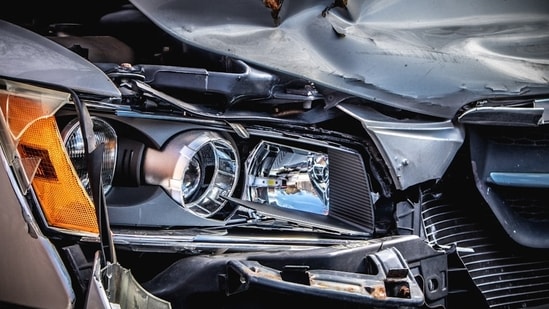
As fatalities rise, panel to probe accidents in Maharashtra| India News
Maharashtra’s Troubling Road Safety Numbers A Call for Urgent Action
For years, the winding ribbons of asphalt across Maharashtra have been vital arteries, connecting communities and driving commerce. Yet, a disquieting trend has emerged, casting a long shadow over these very pathways. Recent observations by officials with the Regional Transport Office (RTO) paint a concerning picture: both the number of road accidents and the resulting fatalities have steadily climbed over the past five years. This alarming rise demands a thorough understanding of its root causes, not just for statistics, but for the very lives at stake. Omni 360 News delves into this critical issue, exploring the factors contributing to this grim reality and the collective effort needed to improve road safety.
The concern articulated by RTO officials underscores a stark truth felt keenly across the state. Every day, local news bulletins carry reports of collisions, often with tragic consequences. These aren’t just isolated incidents; they represent a significant public health and safety challenge. While the allure of faster travel grows, so too does the inherent risk, exacerbated by a complex interplay of human behaviour, infrastructure shortcomings, and enforcement gaps. Understanding these interconnected elements is the first step towards reversing this dangerous trend.
The Human Cost Behind the Numbers
When RTO officials speak of rising fatalities, they are referring to lives cut short, families shattered, and futures lost. While precise year-on-year figures fluctuate, the overall upward trajectory over the last half-decade is undeniable, as highlighted by various local reports from cities like Pune, Mumbai, and Nagpur. These aren’t just abstract data points; they represent mothers, fathers, children, and friends. The emotional and economic toll on communities is immense, stretching from immediate medical expenses and lost income to long-term psychological trauma. This persistent increase signals that existing measures, while well-intentioned, may not be adequate or sufficiently enforced to stem the tide.
Unpacking the Causes A Multifaceted Problem
Delving into the reasons behind this surge reveals a tapestry of interconnected issues. No single factor is solely responsible; rather, it’s a combination of systemic failures and individual choices that lead to tragic outcomes.
Human Error The Most Frequent Culprit
At the forefront of accident causes is often human error. This encompasses a broad spectrum of behaviours:
* Rash and Negligent Driving: Speeding beyond limits, sudden lane changes, and aggressive driving are rampant, especially on highways and urban expressways. Many local police reports frequently cite excessive speed as a primary contributor.
* Distracted Driving: The ubiquitous smartphone has become a deadly distraction. Texting, talking, or engaging with other apps while driving diverts crucial attention from the road, leading to delayed reactions and catastrophic errors.
* Impaired Driving: Driving under the influence of alcohol or drugs remains a significant problem despite stringent laws. Local police drives against drunk driving often reveal high numbers of offenders, indicating a persistent disregard for safety.
* Fatigue: Long hours behind the wheel, especially for commercial vehicle drivers, can lead to drowsiness and impaired judgment, often resulting in severe crashes.
* Lack of Adherence to Traffic Rules: Disobeying signals, ignoring stop signs, wrong-side driving, and improper overtaking are common violations that escalate accident risks dramatically.
Infrastructure Deficiencies The Silent Contributors
While human behaviour plays a large role, the environment in which we drive also bears responsibility:
* Poor Road Design: Unscientific road construction, sharp curves without proper warning, and poorly designed intersections can confuse drivers and create hazardous conditions.
* Inadequate Signage and Lighting: Missing or unclear road signs, especially at night, can lead to disorientation. Poor street lighting on many stretches of highway makes hazards difficult to spot.
* Potholes and Uneven Surfaces: While a perpetual challenge, especially during monsoon, neglected road maintenance can lead to loss of vehicle control, particularly for two-wheelers.
* Unscientific Speed Breakers: Many local communities install speed breakers that do not meet regulatory standards, causing damage to vehicles and sometimes leading to accidents.
Vehicle-Related Factors and Enforcement Gaps
Less frequently, but still significantly, vehicle malfunctions contribute to accidents. Poor vehicle maintenance, such as faulty brakes, worn-out tires, or non-functional lights, can turn a minor issue into a major disaster.
Furthermore, gaps in enforcement often exacerbate the problem. Insufficient traffic police presence, inconsistent application of penalties, and a perceived lack of deterrence can lead to a culture of impunity among rule-breakers. RTO officials are keenly aware that effective, visible enforcement is crucial to instill discipline on the roads.
The Path Forward A Collective Responsibility
The RTO’s acknowledgment of rising accident and fatality rates is a crucial first step. It signals a recognition that current approaches need re-evaluation and intensification. The proposed study into the causes is vital. It must be comprehensive, drawing data not just from police reports but also from forensic accident analysis, traffic engineering expertise, and public feedback.
Improving road safety is not solely the responsibility of the RTO or the traffic police. It requires a multi-pronged approach involving several stakeholders:
* Government Agencies: Need to invest in better road infrastructure, ensure quality construction, and implement smart traffic management systems. Regular audits of road safety are essential.
* Enforcement Authorities: Must enhance visible policing, leverage technology for automated challans, and ensure strict, unbiased enforcement of traffic laws.
* Vehicle Manufacturers: Can contribute by integrating advanced safety features and promoting safer vehicle designs.
* Educational Institutions: Road safety education needs to be integrated into school curricula, fostering responsible attitudes from a young age.
* Public Awareness Campaigns: Continuous and impactful campaigns are needed to educate drivers and pedestrians about safe practices, the dangers of distracted or impaired driving, and the importance of helmets and seatbelts.
* Individual Drivers: Ultimately, personal responsibility is paramount. Every driver must commit to adhering to traffic laws, driving defensively, and prioritising safety over speed or convenience.
Key Takeaways:
* Road accidents and fatalities in Maharashtra have significantly increased over the past five years, demanding urgent attention.
* Human error, including speeding, distracted driving, and impaired driving, is a major contributing factor.
* Deficient road infrastructure, such as poor design, inadequate lighting, and unmaintained surfaces, also plays a role.
* Gaps in vehicle maintenance and traffic law enforcement further compound the problem.
* A multi-stakeholder approach involving government, enforcement, educators, and individuals is essential to improve road safety.
* Thorough investigation into the specific causes, as proposed by the RTO, is crucial for developing effective prevention strategies.
The alarm raised by RTO officials is a wake-up call for everyone. The aspiration for safer roads across Maharashtra requires sustained commitment, robust policy implementation, and a profound shift in public mindset. By understanding the intricate web of causes and embracing collective responsibility, we can hope to reverse this worrying trend and protect precious lives on our state’s vital roadways. This is the pressing issue Omni 360 News continues to monitor for public interest.





