
Model of injustice against Dalits, tribals in Gujarat: Rahul Gandhi| India News
Una Flogging Case Verdict Spurs Debate on Justice for Marginalized Communities
The recent Gujarat court ruling in the harrowing Una flogging case has reignited a crucial national conversation surrounding justice for Dalit and tribal communities. Days after the verdict, which saw five individuals sentenced to five years in jail and 35 others acquitted, prominent political voices have weighed in, underscoring persistent concerns about systemic inequities.
The original incident, dating back to July 2016, shocked the nation. Four young Dalit men from Mota Samadhiyala village in Una taluka were brutally thrashed by self-proclaimed cow vigilantes. Their “crime” was skinning a dead cow, a traditional occupation for many in their community. The public assault, captured on video and widely circulated, exposed the grim reality of caste-based violence and discrimination still prevalent in parts of the country. Local reports from the time highlighted the widespread outrage and subsequent protests by Dalit organizations across Gujarat, demanding swift and stringent action against the perpetrators. The case became a symbol of the ongoing struggle against caste prejudice.
Fast forward to March 17, 2024, a special court in Ahmedabad delivered its judgment. While five individuals were found guilty and handed a five-year sentence, the acquittal of 35 others involved in the mob drew significant scrutiny. For many, including legal observers and community leaders reported in local Gujarati dailies like Divya Bhaskar and Gujarat Samachar, the mixed verdict raised questions about the breadth of justice delivered. There was a palpable sense among some sections of the community that the acquittal of a large number of accused diminished the overall impact of the judgment, particularly given the severity and public nature of the original crime.
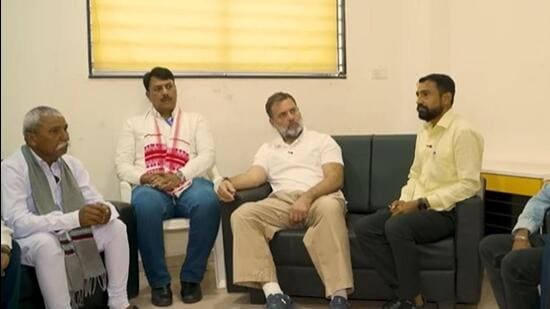
Following this development, Rahul Gandhi engaged in discussions, critically examining the implications of the verdict. He characterized the situation as a “model of injustice against Dalits and tribals in Gujarat,” suggesting a broader pattern of systemic issues affecting these communities within the state. His remarks brought the specific Una ruling into a larger discourse about socio-legal challenges faced by marginalized groups. Such commentary underscores the continued political and social sensitivity surrounding issues of caste, justice, and community rights in India, drawing further attention to the intricacies of legal outcomes and public perception.
For Omni 360 News, understanding these intersections of law, society, and politics remains crucial. The Una case, with its long judicial journey and recent verdict, serves as a poignant reminder of the enduring fight for equality and dignity.
Key Takeaways
* The Una flogging case involved the brutal assault of Dalit men in 2016 for skinning a dead cow.
* A Gujarat court on March 17, 2024, sentenced five individuals to five years in jail but acquitted 35 others.
* Rahul Gandhi criticized the situation as a “model of injustice against Dalits and tribals in Gujarat.”
* The verdict highlights ongoing concerns about justice and systemic challenges faced by marginalized communities.





