
CM Yogi says 9 lakh youth given govt jobs in UP since he took charge| India News
Uttar Pradesh Employment Landscape Chief Minister Yogi Highlights Transparency in Job Selection
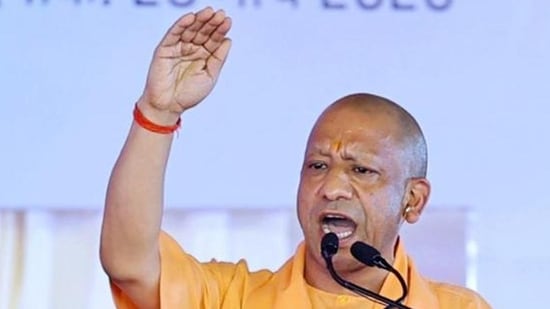
Uttar Pradesh, India’s most populous state, frequently finds itself at the heart of discussions concerning governance, development, and, critically, employment. Recently, Chief Minister Yogi Adityanath brought the state’s job selection process into sharp focus, asserting that his government has facilitated the employment of nine lakh young individuals in government positions since taking office in March 2017. This significant claim was accompanied by a direct challenge to opposition parties, inviting them to scrutinize the transparency and fairness of the entire recruitment system.
The Chief Minister’s statements underscore a foundational shift his administration claims to have brought to public service recruitment. Historically, job selection processes in Uttar Pradesh have often been marred by allegations of favoritism, corruption, and nepotism – what is locally termed “parivarwad” or “bhai-bhatijawad.” These past perceptions have long fueled public skepticism and frustration among job aspirants. In light of this, the current administration’s emphasis on an equitable and unblemished selection mechanism holds particular weight for the millions of young people seeking stable careers.
According to various reports from regional news outlets like Dainik Jagran and Amar Ujala, CM Adityanath has consistently highlighted the stringent measures implemented to ensure that only meritorious candidates secure positions. These measures reportedly include standardized examination procedures, robust interview processes, and a deliberate effort to minimize human intervention prone to bias. The goal, as articulated by the Chief Minister, is to dismantle the old networks of influence and ensure that every appointment is solely based on qualification and capability.
The figure of nine lakh government jobs is a substantial one, representing a broad spectrum of departments across the state. While specific departmental breakdowns are often shared in government briefings, the general narrative points to recruitment drives in sectors vital for public service, such as police, education, health, and various administrative roles. For instance, the Uttar Pradesh Police Recruitment and Promotion Board, alongside the Uttar Pradesh Public Service Commission (UPPSC), have reportedly conducted numerous recruitment cycles, bringing thousands into public service.
This commitment to transparent recruitment is not merely a policy statement; it’s a narrative central to the government’s public image and its promise to the state’s youth. The Chief Minister’s open challenge to the opposition to investigate these processes is a strategic move, aimed at building public trust and countering any skepticism about the integrity of the system. It suggests confidence in the reforms undertaken to ensure meritocracy prevails. For Omni 360 News, tracking such significant declarations and their ground-level impact remains a crucial aspect of reporting.
The drive for transparency is particularly critical in Uttar Pradesh, where the sheer volume of job seekers often creates intense competition and, unfortunately, opportunities for unscrupulous elements. By emphasizing a clean and fair job selection process, the government seeks to foster an environment where youth can aspire to public service without the fear of systemic unfairness. This not only directly benefits individual candidates but also indirectly contributes to a more efficient and accountable state administration.
While the government highlights these achievements, opposition parties frequently raise questions about the overall employment scenario, often citing unemployment rates and demanding more comprehensive data on job creation, including both government and private sector roles. They sometimes argue that the ‘nine lakh’ figure might encompass positions that were already approved or backlog recruitments, rather than entirely new job creations. However, the CM’s challenge specifically addresses the *transparency* of the selection for *these specific government positions*, a crucial distinction.
For a 12th-grade student aspiring to a government job, understanding this focus on transparency is vital. It means that the selection process should be clear, rules-based, and free from any external manipulation. Your hard work in studying and preparing for exams should be the sole determinant of your success, not who you know or any other unfair advantage. This focus on merit aims to create a level playing field for everyone.
The ongoing discourse around government jobs and transparency in Uttar Pradesh is a dynamic and essential one. It reflects the aspirations of millions of young people and the challenges faced by any administration in delivering equitable opportunities. Chief Minister Yogi Adityanath’s confident assertion and public challenge signify a deep commitment to altering past perceptions and building a future where job selection is synonymous with fairness and merit. Omni 360 News will continue to monitor these developments, providing insights into how these claims translate into tangible benefits for the state’s youth.
Key Takeaways
- Uttar Pradesh Chief Minister Yogi Adityanath claims nine lakh government jobs have been provided since March 2017.
- The Chief Minister publicly challenged opposition parties to question the transparency of the job selection process.
- The government emphasizes a merit-based system, aimed at eliminating historical issues of corruption and nepotism in recruitment.
- Local news sources affirm the government’s consistent reporting on these job figures and transparency claims.
- The focus on fair selection processes is crucial for building trust among the state’s large youth population aspiring for public service.





