
play
Iran’s Khondab Reactor: A Step Towards Peace, Or Just a Pause?
A quiet sigh of relief, though perhaps a cautious one, just rippled through diplomatic circles. For years, the name “Khondab” conjured images of shadowy nuclear ambitions and global unease. This week, however, a critical piece of that unsettling puzzle quietly slipped into history, impacting the delicate balance of international security. It’s a development that shifts the conversation, even if only slightly, away from constant tension and towards a glimmer of hope for stability in the volatile Middle East.
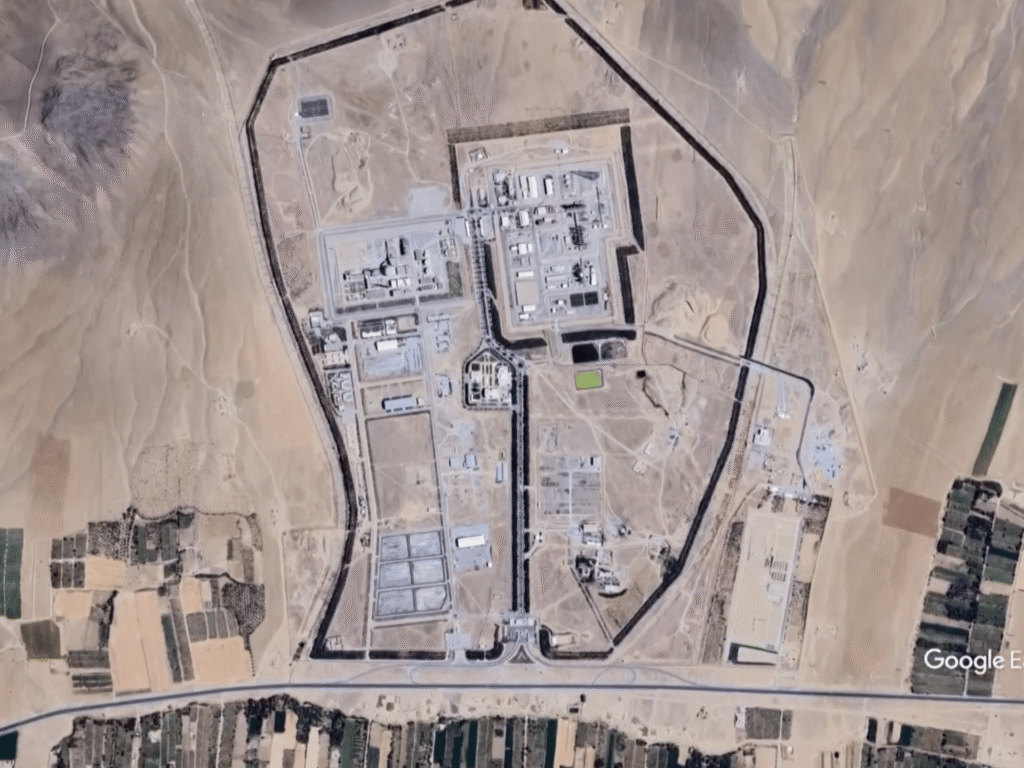
The International Atomic Energy Agency (IAEA) didn’t mince words in its latest report. Iran’s Khondab heavy water reactor, a facility that could have produced plutonium suitable for nuclear weapons, is now officially “no longer operational.” This isn’t just bureaucratic jargon; it’s a verifiable fact with real-world consequences. The 2015 nuclear deal, known formally as the Joint Comprehensive Plan of Action or JCPOA, specifically required Iran to redesign the reactor so it couldn’t produce weapons-grade material. Tehran evidently completed the necessary modifications, fundamentally altering its potential. That means a major concern for non-proliferation advocates is, for now, off the table. It’s a significant milestone, plain and simple.
Is this a real step back from nuclear ambitions?
Here’s the thing: While Khondab’s shutdown is undoubtedly good news for de-escalation, it doesn’t magically erase all concerns about Iran’s nuclear program. The JCPOA was designed to curtail multiple pathways to a bomb, and this reactor was just one, albeit a very important one. We’ve seen fluctuating commitments and political posturing from all sides since the deal’s inception, making any single victory feel somewhat provisional. This particular step signals a clear compliance with a key provision, offering a moment of reduced immediate threat. But the broader geopolitical chessboard remains complex, with plenty of other pieces still in play. Questions linger about centrifuges, uranium enrichment, and inspection access. It’s a fragile peace, easily disturbed by shifting political winds or renewed mistrust. Vigilance remains essential, always, especially when dealing with such high stakes.
The Atomic Answer:
Who: The International Atomic Energy Agency (IAEA) confirmed this. What: Iran’s Khondab heavy water reactor is no longer operational. Why: It’s a compliance measure under the 2015 nuclear deal (JCPOA), designed to prevent Iran from producing weapons-grade plutonium, thus limiting its potential nuclear weapons capability.
So, while we can acknowledge this positive movement, it’s crucial not to mistake a single chess move for the end of the game. The world watches, hoping this particular pawn sacrifice truly signals a broader commitment to peace, rather than just a tactical regrouping. History teaches us that such moments are often fleeting, but every step towards de-escalation is one worth noting, and cautiously celebrating.





