
play
Iran’s Reactor Silenced: A Fragile Pause for Global Peace?
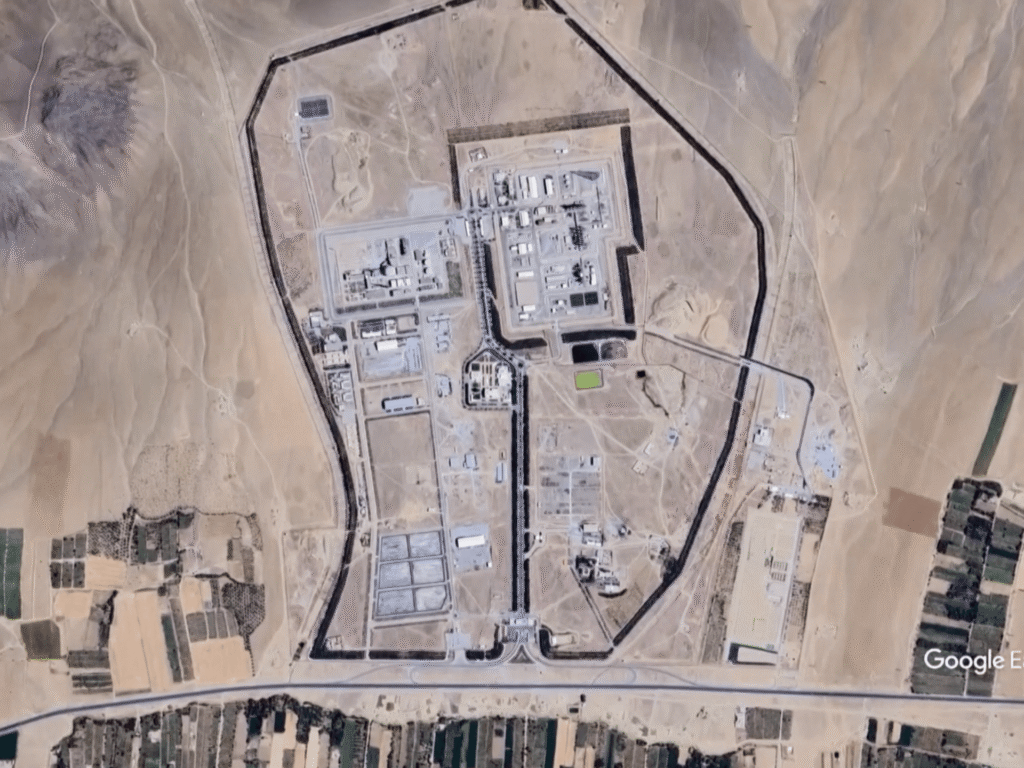
For years, the Khondab heavy water reactor in Iran has loomed large in international discussions, a constant source of tension and a symbol of nuclear proliferation concerns. Today, that shadow appears to have receded, if only momentarily. News from the International Atomic Energy Agency (IAEA) confirms what many hoped for, yet few dared to fully expect: the reactor is no longer operational. It’s a moment that offers a sliver of hope, a chance for a collective exhale across capitals worried about nuclear ambitions.
The IAEA’s latest verification report states unequivocally that the Khondab reactor, designed to produce heavy water and a potential byproduct of plutonium, is now inactive. This isn’t a sudden development, but rather the culmination of agreements made years ago, aimed at curtailing Iran’s ability to produce weapons-grade material. Essentially, the core components that would allow it to function have been removed or altered. It means Iran’s pathway to plutonium production through this specific facility is effectively blocked. You don’t just ‘turn off’ a reactor like this; it’s a significant, verified disablement.
Is a Non-Operational Reactor Truly a Victory?
While the immediate cessation of operations at Khondab is undeniably positive, it’s crucial to understand what it doesn’t mean. This isn’t a unilateral decision by Iran to abandon its nuclear program, nor does it guarantee a smooth path forward for diplomatic relations. What it does represent is compliance with a specific aspect of broader international agreements, highlighting the effectiveness of persistent oversight by bodies like the IAEA. For those who fear a nuclear arms race in the Middle East, this news offers a much-needed, if temporary, reassurance. But history teaches us that such agreements are often delicate, their futures dependent on geopolitical currents and shifting priorities. It’s a step, not a destination.
The IAEA confirmed Iran’s Khondab heavy water reactor is no longer operational. This action, a direct result of international agreements, removes a pathway for Iran to produce weapons-grade plutonium. It’s a significant step toward non-proliferation, directly impacting global security discussions and regional stability.





