
play
**Scholars targeted: The silent war on Iran’s campuses**
Imagine classrooms silenced not by choice, but by external pressure. Picture researchers facing barriers that have nothing to do with scientific challenge. For academics and students in Iran, this isn’t just a grim hypothetical; it’s their described reality. Education, the foundation of any society, often finds itself caught in the crossfire of international tensions, leaving intellect vulnerable and progress stalled.
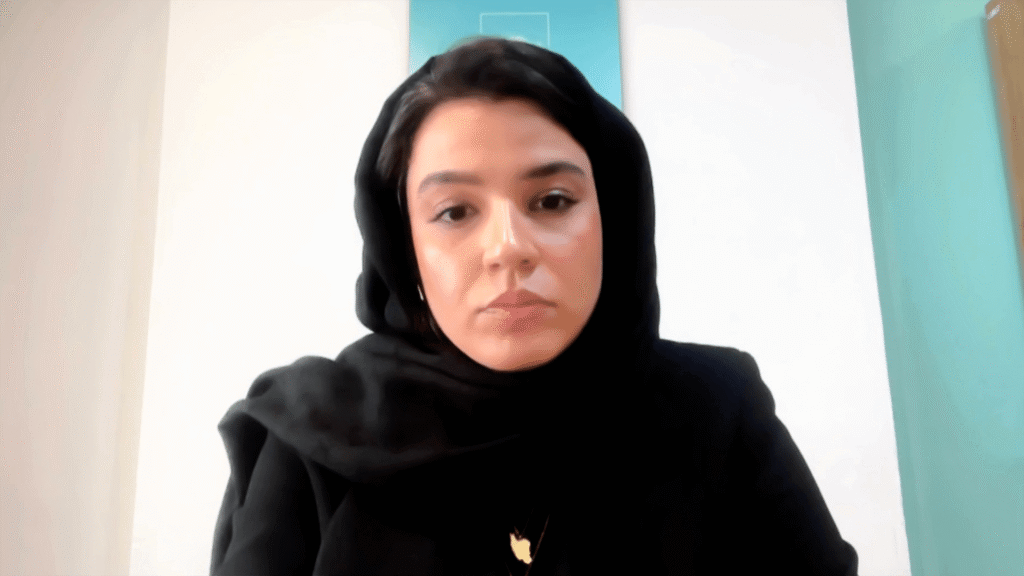
Recently, an Iranian academic stepped forward, detailing what he characterizes as systematic US and Israeli interventions targeting Iran’s universities. He’s talking about more than just sanctions; he describes direct efforts to undermine intellectual institutions, to disrupt the flow of knowledge. It’s an alarming accusation, suggesting a deliberate strategy to curb academic freedom and scientific advancement through covert means. These are serious claims, ones that demand a closer look at how geopolitics can impact the very halls of learning.
Is knowledge the new battlefield?
If these claims hold water, it forces a hard look at the boundaries of international engagement. When universities become fronts in geopolitical disputes, everyone loses. Academic institutions are meant to be havens for critical thought, spaces where ideas can flourish, unhindered by political agendas. Disrupting them doesn’t just hurt one nation’s progress; it weakens the global academic community. It sets a dangerous precedent, suggesting intellectual pursuits can be weaponized. What’s often overlooked is the long-term cost: a brain drain, stifled innovation, and a generation of students denied the full promise of education.
An Iranian academic claims US and Israeli entities are actively targeting Iran’s universities. This alleged strategy aims to disrupt academic institutions, impede scientific progress, and undermine intellectual freedom, impacting students and researchers alike, and drawing concern from the global academic community.
These aren’t always bombs and bullets. The alleged pressures could manifest in countless ways: sophisticated cyber intrusions aimed at research data, quiet restrictions on international collaborations, or even subtle campaigns to discourage student enrollment in key scientific fields. It’s a method of influence that bypasses traditional military engagement, yet its effects could be just as profound, eroding trust and isolating intellectual communities.
The question then becomes: what responsibility do international bodies and academic organizations have to protect these sacred spaces? Can universities truly remain neutral ground when caught in the crosshairs of international power plays? It’s a complex ethical puzzle, one that demands more than just diplomatic statements. It needs genuine commitment to uphold the principles of academic freedom, no matter where those principles are challenged. Protecting education isn’t just about one country; it’s about safeguarding the future of knowledge for us all. The stakes are incredibly high.





