
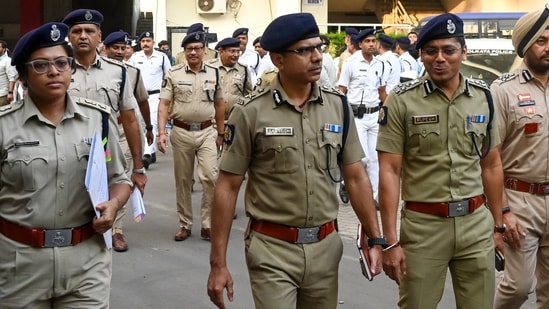
EC transfers 173 police station heads across Bengal ahead of Assembly polls| India News
West Bengal Assembly Elections Key Dates and EC’s Proactive Policing Measures Explained
The democratic process, a cornerstone of any vibrant nation, relies heavily on the integrity and fairness of its elections. As the state of West Bengal gears up for its assembly polls, a closer look at the preparations reveals meticulous planning and decisive action by the Election Commission of India. For the upcoming 294-member West Bengal assembly, an election schedule has been outlined, with voting slated for April 23 and April 29, and the crucial counting of votes set for May 4. These dates mark pivotal moments for the state’s political landscape.
Election Commission’s Unwavering Commitment to Fair Play
Central to ensuring a level playing field for all political parties and candidates, the Election Commission of India has once again demonstrated its proactive approach. A significant move ahead of these assembly polls involves the transfer of 173 police station heads across Bengal. This widespread reshuffle is not merely an administrative exercise; it embodies the EC’s commitment to preventing any potential local influence or bias that could compromise the fairness of the electoral process. The EC, an independent constitutional body, holds the immense responsibility of conducting elections in a manner that is both free and transparent. Its actions are geared towards building voter confidence and ensuring that every citizen’s right to vote is exercised without fear or favour.
Local news outlets across West Bengal, from Kolkata to the more rural districts, have been closely tracking these developments. Reports confirm that such transfers are a standard, albeit impactful, part of the EC’s pre-election toolkit. The rationale behind moving officers who have served in a particular area for an extended period is to break entrenched local networks, which might, intentionally or unintentionally, create an unfair advantage or disadvantage for certain political entities. The sheer number of officers transferred – 173 – underscores the scale of this preventative measure, touching nearly every corner of the state where electoral integrity could be perceived as vulnerable.
Understanding the EC’s Mandate and Its Impact
For a student in the 12th standard, understanding the Election Commission’s role is crucial for appreciating India’s democratic framework. Imagine a game where one team controls the referee; that wouldn’t be fair, right? The EC acts like a truly independent referee. Its job is to ensure that the electoral “game” is played fairly by everyone. When it transfers police officers, it’s like making sure that the local “ground managers” are neutral and don’t favour any specific team. This ensures that voters feel safe, and political parties compete purely on their merits and promises.
The process of transferring police officers ahead of elections is often initiated based on various inputs. This could include complaints from political parties, feedback from independent observers, or the EC’s own assessment of potential hotspots. The goal is to ensure that law enforcement agencies, crucial for maintaining peace and order during polling, remain impartial and effective throughout the election cycle. These transfers aim to prevent any perception of local administration being influenced by political pressures, thereby safeguarding the sanctity of the ballot.
The Broader Context of West Bengal’s Electoral Battle
West Bengal, with its vibrant political history and passionate electorate, always witnesses keenly contested elections. The 294 assembly constituencies represent a diverse tapestry of demographics, economic realities, and political aspirations. The two-phase election schedule, April 23 and April 29, allows for a more focused deployment of security forces and election personnel, ensuring that each vote is cast securely and efficiently. Omni 360 News acknowledges the logistical complexities involved in conducting elections of this magnitude and commends the diligent efforts of the EC.
Beyond the transfers, the Election Commission implements several other measures to ensure a robust electoral environment. The Model Code of Conduct, a set of guidelines for political parties and candidates, comes into effect once election dates are announced, prohibiting activities that could unduly influence voters. Extensive voter awareness campaigns are also undertaken to educate citizens about their rights and responsibilities. From securing polling booths to meticulous counting procedures, every step is carefully monitored to uphold the democratic spirit.
Key Takeaways
The upcoming West Bengal assembly elections, with voting scheduled on April 23 and 29 and results on May 4, underscore the continuous efforts required to maintain electoral integrity. The Election Commission’s decisive action to transfer 173 police station heads is a clear indicator of its commitment to free and fair polls. This move, widely reported across local media, aims to neutralize any local administrative bias and instill confidence in the voting public. Such measures are fundamental to India’s democratic health, ensuring every citizen’s voice is heard fairly and freely.





