
Keeping up with UP: Why cow is at centre of debate ahead of assembly polls| India News
Shankaracharya’s Call for Cow as National Animal Ignites National Conversation
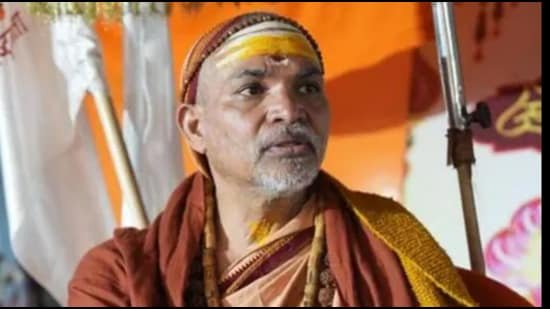
In a move that resonates deeply within India’s cultural and spiritual landscape, Swami Avimukteshwaranand Saraswati, the revered Shankaracharya of Jyotish Peeth, has once again brought the call for declaring the cow as the national animal to the forefront of public discourse. This long-standing demand, rooted in centuries of tradition and reverence, seeks to elevate the status of the “mother cow” to a symbol of national identity, similar to how the tiger represents India’s wildlife.
The Shankaracharya, a prominent spiritual figure, articulated his demand, emphasizing the cow’s unparalleled significance in Indian civilization. His pronouncements typically carry weight among a considerable section of the populace, prompting discussions that traverse religious devotion, agricultural practices, and political considerations. For many, the cow is far more than just livestock; it is an embodiment of nourishment, a provider of life-sustaining milk, and a central figure in numerous religious rituals and festivals.
Cultural Roots and Societal Impact
The cow’s position in India’s cultural fabric is unique. From ancient Vedic texts to contemporary rural life, the ‘gau mata’ (mother cow) has been venerated as a symbol of prosperity, purity, and sustenance. Its milk, curd, ghee, urine, and dung—collectively known as Panchagavya—are considered sacred and utilized in various traditional medicines, agricultural practices, and religious ceremonies. This deep-seated reverence explains why any discussion surrounding the cow often evokes strong sentiments across the country.
Local news reports from states like Uttar Pradesh and Madhya Pradesh frequently highlight both the spiritual attachment to cows and the practical challenges associated with their welfare. Farmers in these regions, for instance, often face the dual bind of considering the cow sacred while grappling with the practicalities of caring for unproductive or stray cattle. Village councils and local administrations often discuss the burden of maintaining gaushalas, or cow shelters, which are meant to provide refuge for these animals. While government initiatives and community efforts support these shelters, their sustainability remains a recurring point of debate in local newspapers and community gatherings.
The Economic and Environmental Link
Beyond its religious significance, the cow plays a vital role in India’s agrarian economy. Small and marginal farmers rely on cows for milk, draught power for farming, and organic fertilizer in the form of dung. This natural manure is crucial for maintaining soil health and reducing reliance on chemical fertilizers, thereby supporting sustainable agricultural practices. Many local dairies and cooperatives form the backbone of rural livelihoods, directly linking the welfare of cows to the economic well-being of countless families. The push for indigenous cow breeds and traditional farming methods also underscores the environmental and economic value attributed to these animals.
Political Dimensions and Public Discourse
The Shankaracharya’s demand is not an isolated spiritual plea; it also carries significant political resonance, especially in states where cow protection is a prominent issue. Ahead of state assembly polls, the discourse around cow welfare often intensifies, as political parties seek to align themselves with public sentiment on this emotive subject. Local politicians frequently feature in news reports discussing strategies for cow protection, the establishment of more gaushalas, and addressing the stray cattle problem, which impacts both urban and rural areas.
This ongoing debate involves a spectrum of voices. Advocates for declaring the cow a national animal emphasize cultural heritage, religious freedom, and the animal’s contribution to agriculture and health. They believe such a declaration would not only honor ancient traditions but also provide a strong legal framework for cow protection across the nation. Conversely, some discussions raise questions about the practicality of such a declaration, its potential impact on diverse communities, and the balance between cultural symbolism and animal welfare realities.
Key Takeaways
Swami Avimukteshwaranand Saraswati’s renewed call to declare the cow as the national animal underscores its profound religious, cultural, and economic significance in India. This demand reignites a national conversation that intertwines spiritual beliefs with the practicalities of agricultural life and political realities. Local communities and leaders continue to navigate the complexities of cow protection, seeking sustainable solutions while upholding deep-rooted reverence. The dialogue reflects India’s unique blend of tradition, rural economics, and evolving governance.
This report from Omni 360 News aims to shed light on the multifaceted dimensions of this enduring and important topic.





