
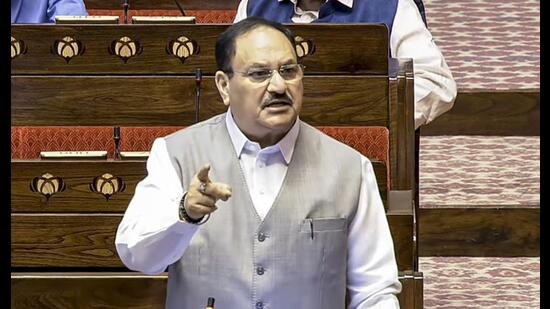
Rajya Sabha: BJP lawmaker alleges OBC quota misuse; prompts Opposition walkout| India News
Examining Reservation Claims The States and OBC Quotas
A significant debate unfolded in the Rajya Sabha recently, stirred by BJP lawmaker K Laxman’s assertion that several states are unfairly including all Muslims within their Other Backward Classes (OBC) reservation quotas. The lawmaker specifically named Telangana, West Bengal, Tamil Nadu, and Kerala, claiming this practice dilutes benefits intended for deserving OBC communities. This allegation led to an opposition walkout, highlighting the contentious nature of reservation policies across India.
Understanding OBC quotas is essential for clarity. These reservations are constitutionally designed to provide affirmative action for communities identified as socially and educationally backward. The goal is to ensure their fair representation in public employment and educational institutions. The criteria for inclusion are typically based on socio-economic indicators, not religion alone.
However, the reality on the ground, as revealed by diligent reporting and local analyses, often presents a more nuanced picture than broad political claims. While it is true that Telangana, West Bengal, Tamil Nadu, and Kerala have provisions for Muslim reservations, these are generally not a blanket inclusion of the entire Muslim population. Instead, these states have identified specific, economically and socially backward Muslim communities and included them in their respective backward classes lists, sometimes within the broader OBC category. For instance, Tamil Nadu has specific Muslim groups under its Most Backward Classes or Backward Classes list, along with a separate allocation within the BC quota. Similarly, West Bengal and Kerala list particular backward Muslim castes or groups based on their socio-economic status. Telangana, too, has seen efforts to provide quotas for backward Muslim sections, often facing legal scrutiny to ensure they align with constitutional principles of backwardness, not solely religion.
The crux of the political contention lies in whether these inclusions are solely based on religious identity, which is constitutionally prohibited, or on verifiable socio-economic backwardness, which is permissible. Lawmaker Laxman’s statement underscores a prevailing concern that such policies might be viewed as vote-bank politics, potentially undermining the spirit of equitable reservation for all backward communities. This ongoing debate about the classification and allocation of quotas reflects deeper discussions about social justice, secularism, and electoral strategies in India.
Key Takeaways:
* BJP lawmaker K Laxman alleged states are improperly including all Muslims in OBC quotas.
* States like Telangana, West Bengal, Tamil Nadu, and Kerala do provide reservations for specific backward Muslim communities, generally identified by socio-economic criteria, not all Muslims uniformly.
* The controversy highlights the tension between political rhetoric and the nuanced reality of reservation policies aimed at social justice.
* The debate continues to challenge how India balances affirmative action with constitutional mandates of non-discrimination based on religion. Omni 360 News remains committed to clarifying such complex public policy issues.





