
Keeping up with UP: Why cow is at centre of debate ahead of assembly polls| India News
Shankaracharya’s Call for Cow National Animal Status Ignites Cultural Discourse Key Takeaways
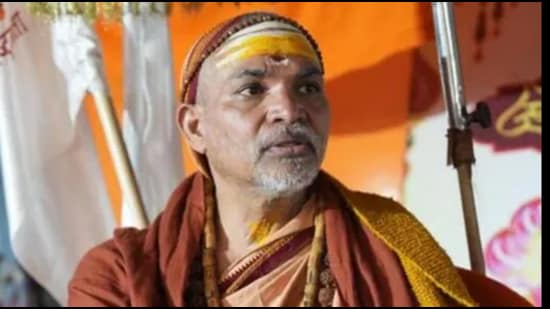
The revered Swami Avimukteshwaranand Saraswati, the Shankaracharya of Jyotish Peeth, has reiterated a significant cultural demand: that the humble cow, often termed “mother cow,” be officially recognized as India’s national animal. This call resonates deeply within communities where the cow holds immense spiritual and traditional importance, sparking renewed discussion across the nation.
For centuries, the cow has been far more than livestock in India. Across countless villages and towns, it is considered a symbol of sustenance, purity, and maternal care. From providing milk that nourishes families to its dung used as fertilizer and fuel, the cow is intrinsically linked to rural livelihoods and daily rituals. Local narratives frequently highlight the cow’s integral role in agricultural cycles and household economies, fostering a profound respect that transcends mere utility. Many regional traditions and festivals specifically honor cows, underscoring their sacred status in the collective consciousness.
The Shankaracharya’s advocacy stems from this long-held reverence. Proponents argue that declaring the cow a national animal would formally acknowledge its profound cultural, religious, and economic contributions. It would solidify its status as a protector of ancient traditions and a symbol of sustainable living, reflecting sentiments prevalent in numerous community gatherings and local religious discourses. Such a declaration, it is believed, would also bolster ongoing efforts for cow protection, which often originate from grassroots movements seeking to safeguard these animals from neglect or exploitation. These local efforts frequently emphasize the cow’s gentle nature and its historical connection to the land and its people.
While the tiger currently holds the national animal title, revered for its strength and ecological significance, the Shankaracharya’s proposal introduces a different dimension to national symbolism. It posits an animal celebrated not for its predatory power, but for its nurturing qualities and its foundational role in cultural identity and sustainable living. This demand brings to the forefront a conversation about how India chooses to represent its values on a national stage.
Key Takeaways: Swami Avimukteshwaranand Saraswati, Shankaracharya of Jyotish Peeth, advocates for the cow as India’s national animal, citing its deep cultural, religious, and economic importance in local communities. This demand seeks to formally recognize the cow’s symbolic status as a protector of tradition and a nurturer of life, fueling a significant national conversation for Omni 360 News. The discussion highlights the diverse perspectives on national identity and symbolism within India.





