
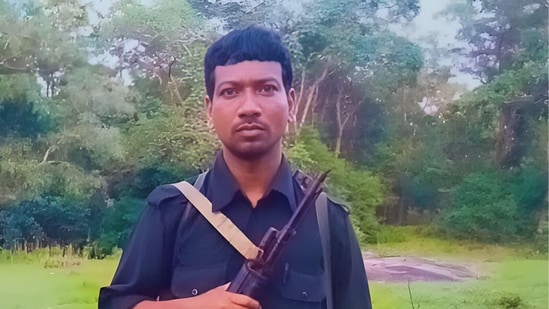
In Chhattisgarh's Sukma, cautious hope after long Naxal shadow| India News
India’s Naxalism Claim Ground Realities and Local Hopes
Home Minister Amit Shah recently announced a significant milestone: India is now free of Naxalism. This declaration, echoed by Prime Minister Modi on various occasions, marks a pivotal moment in the nation’s long struggle against left-wing extremism. On the surface, the government’s narrative points to a dramatic reduction in Naxal-affected areas and incidents, showcasing a decisive victory for internal security forces and development initiatives. However, a closer look at the ground realities, particularly in historically impacted regions, reveals a more nuanced picture of cautious optimism, ongoing challenges, and the enduring spirit of local communities.
For decades, Naxalism cast a long shadow over vast swathes of central and eastern India, particularly in tribal-dominated districts grappling with underdevelopment, land disputes, and a sense of alienation. From Chhattisgarh’s dense forests to Jharkhand’s mineral-rich belts and Odisha’s remote hamlets, the presence of these extremist groups dictated daily life, often through fear and violence. The government’s relentless multi-pronged strategy, combining robust security operations with an intensified focus on infrastructure and welfare, has undoubtedly shifted the tide.
In places like Sukma, deep within Chhattisgarh’s Bastar region, which was once considered a Naxal stronghold, a palpable sense of relief is now emerging. Local reports from the ground highlight a significant decrease in violent encounters and the re-establishment of state administration in areas that were virtually cut off. Villagers, who once navigated a treacherous path between state forces and Naxals, are slowly beginning to breathe easier. Roads are being built, connecting remote villages to district headquarters, bringing markets, healthcare, and education closer. New police camps, strategically established, have not only enhanced security but have also become conduits for development, often doubling as primary health centers or distribution points for essential goods.
However, the term “Naxalism-free” requires careful interpretation. While large-scale organized Naxal activity has indeed been dismantled in many areas, pockets of influence and ideological remnants may still persist. A common sentiment expressed by local journalists and residents in affected districts is one of “significant reduction” rather than complete eradication. The fear may have receded, but memories of past violence and the complex socio-economic issues that fueled the movement still linger. The focus now shifts from active combat to sustained vigilance and robust community engagement to prevent any resurgence.
For instance, in Jharkhand’s Saranda forest or Odisha’s Malkangiri (specifically the “Swabhiman Anchal,” previously known as the cut-off area), local administrations and security forces report continuous efforts to win over the local populace. Development schemes promoting livelihood opportunities, access to education, and basic civic amenities are considered critical for lasting peace. Schools that were once burned down are being rebuilt, and youth, previously vulnerable to Naxal recruitment, are now seeking opportunities in vocational training and mainstream employment. This human-centric approach is vital for cementing the gains made by security operations.
The decline of Naxalism can be attributed to several synergistic factors. Enhanced intelligence gathering and precise, coordinated security operations have dismantled key leadership and supply chains. Simultaneously, the aggressive push for development—constructing roads, bridges, opening schools, improving healthcare access, and providing electricity—has undermined the Naxals’ ability to exploit grievances. Government surrender and rehabilitation policies have also played a crucial role, encouraging many cadres to lay down arms and rejoin mainstream society.
However, achieving true, irreversible peace demands more than just security victories. It requires addressing the fundamental issues that gave rise to Naxalism in the first place: poverty, land dispossession, inadequate governance, and lack of opportunities. Ensuring that the benefits of development truly reach the last person in the last village, particularly in tribal regions, is the ultimate challenge. The process of integrating these remote communities into the national mainstream must be empathetic, respectful of local cultures, and sustainable.
From an Omni 360 News perspective, understanding this complex transition involves not just acknowledging government claims but also diligently verifying the on-the-ground impact and listening to the voices of those who have lived under the shadow of Naxalism. While the declaration of an “India free of Naxalism” is a monumental achievement and a testament to collective efforts, the journey towards truly eradicating its root causes and ensuring enduring peace continues.
Key Takeaways
* Home Minister Amit Shah declared India free of Naxalism, fulfilling a promise repeatedly articulated by PM Modi.
* This declaration follows a significant reduction in Naxal incidents and a shrinking geographical footprint of the extremism.
* In historically affected areas like Sukma, Chhattisgarh, there is cautious hope among locals, with improved security and visible development initiatives such as new roads and police camps.
* While large-scale Naxal activity has been curbed, vigilance is maintained against residual pockets of influence and ideological remnants.
* The decline is attributed to a combination of robust security operations, improved intelligence, and an aggressive push for development and welfare schemes in tribal areas.
* Long-term peace requires addressing the root causes of Naxalism, including poverty, land issues, and ensuring equitable development reaches the most vulnerable communities.





