
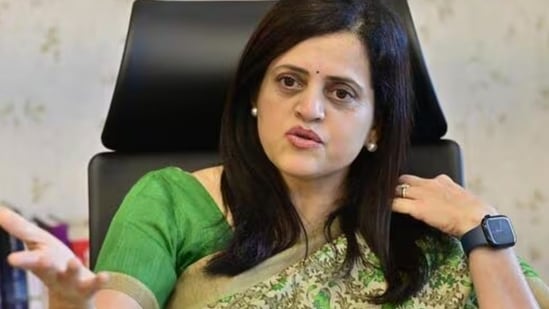
Who is Ashwini Bhide? ‘Metro woman’ likely to become BMC’s first female commissioner| India News
Ashwini Bhide Set to Make History as First Woman to Lead Mumbai’s BMC
Mumbai, the sprawling metropolis, stands on the cusp of a significant moment in its civic administration. The city is preparing to welcome its first woman municipal commissioner, with Ashwini Bhide slated to take the reins of the Brihanmumbai Municipal Corporation (BMC). This anticipated leadership change follows the retirement of current municipal commissioner Bhushan Gagrani. The move signals not just a change at the top but a new chapter in how Mumbai’s civic body, one of the wealthiest in Asia, will be guided.
Ashwini Bhide is not an unfamiliar name in Maharashtra’s bureaucratic circles. An Indian Administrative Service (IAS) officer from the 1995 batch, she has cultivated a reputation as a diligent and results-oriented administrator. Her most prominent role prior to this new appointment was as the Managing Director of the Mumbai Metro Rail Corporation Ltd. (MMRCL). During her tenure, she was instrumental in overseeing the complex and often challenging development of the city’s Metro Line 3, an underground corridor crucial for easing Mumbai’s notorious traffic congestion. This challenging assignment earned her the informal title of “Metro Woman” among many who followed the project’s progress.
Her leadership at MMRCL was marked by a steadfast approach to problem-solving, navigating environmental concerns, land acquisition hurdles, and technical complexities inherent in a mega-infrastructure project within a densely populated urban area. She is widely credited for keeping the project on track, demonstrating a blend of administrative acumen and on-ground practical leadership.
The BMC, an institution central to the daily lives of millions of Mumbaikars, manages everything from public health and sanitation to urban planning, water supply, and infrastructure development. Taking charge of such a sprawling organization requires not only deep administrative experience but also an understanding of the city’s unique challenges and opportunities. Ms. Bhide’s background in critical infrastructure development and her demonstrated ability to handle large-scale projects will likely be invaluable in her new role.
The appointment of a woman to lead the BMC for the first time marks a significant stride towards gender representation in top administrative positions. It reflects a growing recognition of merit and capability, irrespective of gender, in vital public service roles. Local community leaders and civic activists have expressed hope that this change will bring fresh perspectives and renewed vigor to Mumbai’s urban administration.
Her upcoming tenure will undoubtedly present numerous challenges. Mumbai faces persistent issues such as monsoon preparedness, upgrading its aging infrastructure, managing solid waste effectively, ensuring equitable distribution of resources, and tackling the complexities of urban planning in a rapidly expanding city. Residents will be looking for decisive action and visible improvements in civic services.
Ms. Bhide’s transition to the BMC’s top post is a development closely watched by citizens, political observers, and urban planners alike. Her proven track record of delivering results in demanding environments sets high expectations for her leadership in guiding Mumbai’s civic destiny. This move, reported across various local news platforms, underscores a momentous occasion for the city’s governance structure, and Omni 360 News will continue to track this important story.
Key Takeaways
* Ashwini Bhide is set to become the first woman municipal commissioner of the BMC, a landmark appointment.
* She is an experienced IAS officer, notably recognized for her leadership in developing Mumbai’s Metro Line 3, earning her the moniker “Metro Woman.”
* Her appointment signifies a significant step in gender representation in key administrative roles.
* She inherits the responsibility of governing one of Asia’s wealthiest municipal corporations, tasked with addressing Mumbai’s complex urban challenges, including infrastructure, sanitation, and public services.
* Expectations are high for her to bring her demonstrated administrative efficiency and problem-solving skills to the multifaceted demands of the BMC.





