
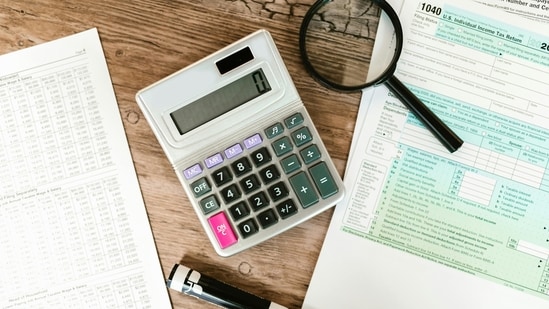
Revised ITR deadline, higher STT: Full list of new financial rule changes from Apr 1| India News
Navigating New HRA Rules Landlord PAN and Rent Proof Essentials
For years, House Rent Allowance (HRA) has served as a significant tax-saving avenue for salaried individuals residing in rented accommodation. However, the landscape for claiming this benefit has seen a notable shift. Tax authorities have implemented stricter guidelines, making it imperative for employees to be meticulous with their documentation. This move aims to enhance transparency and prevent misuse of the tax exemption. Omni 360 News brings you a detailed look at these crucial changes, ensuring you are well-prepared for your next tax filing.
Understanding House Rent Allowance HRA
Before delving into the new stipulations, it is essential to grasp what HRA entails. House Rent Allowance is a component of a salaried employee’s pay package designed to assist with their accommodation expenses. While it is a part of your salary, a portion of it can be claimed as an exemption from taxable income under Section 10(13A) of the Income Tax Act, provided certain conditions are met. This exemption helps reduce an individual’s overall tax liability, offering a tangible financial relief. The amount of HRA exemption depends on various factors: the actual HRA received, the actual rent paid, and 10% of the employee’s basic salary plus dearness allowance, or 50% of basic salary plus dearness allowance for those living in metro cities (40% for non-metro cities). The lowest of these three figures is typically the exempt amount.
The Core of the New Requirements Landlord PAN and Proper Rent Proof
The most significant update revolves around the documentation required to substantiate HRA claims. Previously, employees could often claim HRA exemption with just rent receipts. While receipts remain vital, the net has been cast wider to include the landlord’s Permanent Account Number (PAN) and more robust proof of rent payment.
The revised rules clarify that if an employee pays annual rent exceeding Rs 1 lakh, providing the landlord’s PAN is now mandatory. This threshold is critical; falling below it still necessitates rent receipts, but the PAN requirement is triggered only when the yearly rent crosses this mark. This measure is a direct effort to trace the rent income in the hands of the landlord, ensuring compliance from both sides of the transaction. The government’s objective is to reduce instances of individuals claiming HRA benefits without genuine rental transactions or inflated claims.
Beyond the PAN, the emphasis is also on “proper rent proof.” This means a comprehensive set of documents that clearly establish the landlord-tenant relationship and the periodic payment of rent. This includes, but is not limited to, a duly stamped rent agreement, rent receipts detailing the period, amount, and landlord’s signature, and bank statements or online transaction records if rent is paid digitally. Cash payments, while still permissible, demand even more rigorous receipt management to avoid scrutiny.
Why the Tightening of Rules?
This tightening of HRA regulations is not arbitrary. It stems from a broader push by the Income Tax Department to plug loopholes and ensure that tax benefits are claimed genuinely. Instances of fictitious rent payments, inflated claims, or landlords not reporting their rental income prompted these stricter norms. By requiring the landlord’s PAN for higher rent amounts, the tax authorities can cross-verify the income declared by the tenant (as HRA claim) with the income reported by the landlord. This creates an audit trail, making the entire process more transparent and accountable. It is a step towards ensuring that everyone plays by the rules, contributing their fair share to the tax base.
What If Your Landlord Doesn’t Have a PAN or Refuses to Share It?
This is a common concern for many tenants. If your landlord does not possess a PAN, or if they are unwilling to furnish it, you are not necessarily barred from claiming HRA. In such scenarios, the Income Tax Department requires you to obtain a declaration from your landlord stating that they do not have a PAN. This declaration should include their name, address, and an affirmation of not possessing a PAN. It is prudent to also attach a copy of the rent agreement and all rent receipts. While this declaration can help, tax experts advise paying rent via traceable methods like bank transfers or UPI to further solidify your claim. For those without a PAN, the landlord is generally expected to provide Form 60, which serves a similar purpose in certain financial transactions where PAN is not available.
Essential Documentation for a Valid HRA Claim
To ensure a smooth HRA claim, Omni 360 News recommends keeping the following documents readily accessible:
1. Rent Agreement: A legally binding document outlining the terms of the tenancy, rent amount, duration, and details of both tenant and landlord. Ensure it is properly stamped as per local laws.
2. Rent Receipts: Monthly receipts, signed by the landlord, clearly stating the amount, period, property address, and landlord’s name and signature. For digital payments, bank statements serve as excellent proof.
3. Landlord’s PAN: Mandatory if annual rent exceeds Rs 1 lakh.
4. Landlord’s Declaration (if PAN unavailable): A written statement from the landlord confirming the absence of a PAN, along with their name and address.
5. Proof of Residence: While not directly tied to HRA claim, having utility bills or other correspondence at the rented address can strengthen your overall residency proof.
Impact on Employees and Landlords
For employees, these rules mean increased diligence in collecting and preserving rent-related documents. Proactive communication with landlords about the PAN requirement is now essential. Neglecting these rules could lead to your HRA exemption being disallowed, resulting in higher tax outgo and potential penalties.
For landlords, especially those receiving substantial rental income, it necessitates greater transparency. They must be prepared to furnish their PAN to tenants and accurately report their rental income when filing their own taxes. Failure to do so could lead to questions from tax authorities, particularly if a tenant’s HRA claim is scrutinized.
Key Takeaways for HRA Claimants
* Mandatory PAN for High Rent: If your annual rent exceeds Rs 1 lakh, your landlord’s PAN is a must-have for HRA exemption.
* Robust Proof is Key: Beyond PAN, ensure you have a valid rent agreement and proper rent receipts for all payments.
* Digital Payments Preferred: Paying rent via bank transfer or UPI leaves a clear audit trail, strengthening your claim.
* Communicate with Your Landlord: Discuss the PAN requirement early to avoid last-minute hassles.
* Understand the Threshold: The Rs 1 lakh annual rent threshold determines the PAN requirement, but valid rent proof is always necessary.
* Declaration for No PAN: If your landlord lacks a PAN, obtain a signed declaration from them.
In conclusion, the updated HRA rules underscore the tax department’s commitment to precision and accountability. While these changes might seem like an added administrative burden, they are ultimately designed to create a fairer and more transparent tax system. By understanding these requirements and maintaining meticulous records, employees can continue to benefit from HRA exemptions without any undue concerns, ensuring a smooth tax filing experience. Omni 360 News encourages all taxpayers to stay informed and compliant.





