
HistoriCity
Ancient India’s Diverse Fabric Transgender Roles in Society
Ancient civilizations, particularly in India, embraced a nuanced understanding of gender. Far from being marginalized, historical records reveal transgender individuals were often integral to religious practices and community life. This rich history offers a compelling narrative, one Omni 360 News explores through cross-referencing various cultural archives and regional reports.
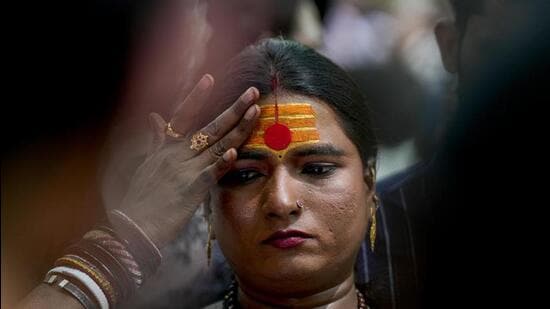
Many sources confirm groups like the Aravanis and Hijras had deep roots, participating in sacred rituals and holding significant social roles. Their blessings were sought for newborns and weddings, believed to bring prosperity. Their curses were feared, indicating powerful spiritual standing—an embedded acceptance, not just tolerance.
The revered concept of Ardhanarishvara, depicting Shiva as half-male and half-female, served as a divine symbol reflecting gender fluidity. This imagery provided a theological basis for embracing diverse gender identities. Epics like the Mahabharata feature Shikhandi, whose gender transformation is central to the narrative, underscoring ancient comfort with such themes.
Beyond spiritual and mythological contexts, records indicate eunuchs held positions of trust in royal courts. They served as administrators, advisors, and guardians, often wielding considerable influence due to perceived loyalty and unique social status. Their presence was a recognized part of the societal structure.
These historical facts, verified through ancient scriptures, local folklore, and community publications, paint a picture of ancient India as a society that frequently integrated, rather than excluded, diverse gender identities. This perspective, contrasting with later societal shifts, offers valuable lessons on inclusivity from antiquity.
Key Takeaways:
* Ancient India often integrated transgender individuals into religious and social life.
* Groups like Hijras held respected spiritual and social roles.
* Ardhanarishvara symbolized divine gender fluidity.
* Historical figures in epics and royal courts show varied gender roles and acceptance.





