
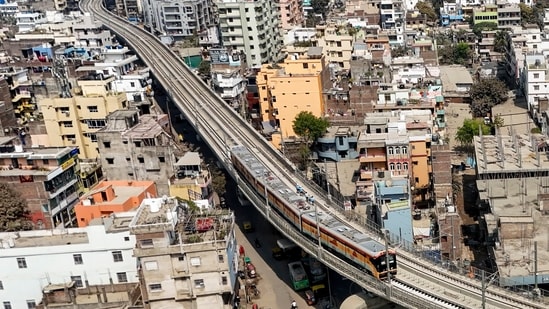
Smoking aboard metro may no longer be criminal. Also, if your pig wanders...
India’s Everyday Offences New Path From Courts to Fines Jan Vishwas Bill Examined
India stands at the precipice of a significant legislative shift, poised to reshape how minor, everyday transgressions are handled across the nation. At the heart of this change is the Jan Vishwas (Amendment of Provisions) Bill, a comprehensive piece of legislation recently introduced in the Lok Sabha. This bill aims to decriminalize a multitude of minor offences currently punishable by imprisonment, replacing them largely with monetary penalties. For citizens and businesses alike, this could mark a profound departure from the traditional punitive approach towards compliance and public order.
The core philosophy behind the Jan Vishwas Bill centers on fostering trust and easing the burden on both the judiciary and the common person. Decades of colonial-era laws, coupled with subsequent legislative additions, have led to a legal framework where even trivial infractions can result in criminal proceedings, leading to court congestion and often disproportionate punishment. This new bill seeks to rectify that imbalance by moving away from imprisonment as a default for acts that are more administrative lapses or minor public nuisances rather than serious crimes. As reported by various news outlets tracking legislative developments, the government’s intent is clear: to ensure the justice system focuses on grave matters, while petty issues are resolved efficiently through fines, avoiding the often-lengthy and arduous process of criminal litigation.
Among the specific acts being considered for decriminalization are a wide array of everyday occurrences that many might find surprising to be criminal offences at all. Imagine being potentially jailed for “pig trespass” or “defecating in public,” as outlined in certain antiquated municipal acts. The Jan Vishwas Bill proposes to remove the threat of imprisonment for such infractions, converting them into fines. Similarly, minor violations under environmental protection laws, railway acts, or even the food safety and standards regulations, which currently carry the possibility of jail time, are being reviewed. This shift is not merely academic; it has tangible implications for countless individuals and small enterprises.
For example, minor lapses in obtaining a necessary license, a procedural error in an environmental compliance report, or even a fleeting act of public indecency, could lead to a criminal record. The bill proposes to replace such criminal penalties with a system of graded monetary fines, often with an inflation-linked increase every three years to maintain their deterrent value. Adjudicating officers, rather than courts, would often handle these cases, aiming for quicker resolution. Omni 360 News finds that this move is expected to alleviate pressure on local courts, which are often overwhelmed with a backlog of cases, many of which pertain to these minor violations.
Beyond the individual, the bill has significant implications for businesses, particularly Micro, Small, and Medium Enterprises (MSMEs). Many existing laws impose criminal penalties for minor technical or procedural breaches in areas like industrial disputes, drug control, and patent infringements. Such provisions can create an atmosphere of fear and discourage innovation, as businesses constantly operate under the shadow of potential criminal prosecution for what might be an unintentional mistake. By decriminalizing these infractions, the government aims to boost the ease of doing business, encouraging entrepreneurship and investment by reducing compliance burdens and the threat of unwarranted legal battles. Small shop owners, street vendors, and local service providers, who often grapple with complex regulations, stand to benefit from a more lenient and reasonable enforcement mechanism.
Across various states, local administrations are also keenly observing the bill’s progress. Regional news sources have highlighted discussions about how this might streamline enforcement of local municipal bylaws, reducing the need for police intervention in civic matters and allowing municipal staff to handle minor issues more directly through fines. The emphasis shifts from punishment to correction and compliance, a model that proponents believe is more conducive to a modern, developing economy. Concerns about maintaining public order without the threat of imprisonment are being addressed by ensuring fines are substantial enough to serve as a deterrent, and by clarifying that serious, repeated, or malicious acts will still attract appropriate criminal action.
Key Takeaways
The Jan Vishwas Bill represents a strategic legislative overhaul with several important points for citizens and businesses to note:
* Decriminalization of Minor Offences The bill seeks to convert imprisonment for approximately 183 minor offences across 42 central acts into monetary penalties.
* Focus on Trust and Compliance The underlying principle is to foster trust between citizens and the state, reducing the scope for harassment over trivial matters.
* Judicial Burden Reduction By moving minor cases from courts to adjudicating officers, the bill aims to significantly reduce the backlog and pressure on the judicial system.
* Ease of Doing Business For MSMEs and businesses, it promises a less punitive regulatory environment, encouraging growth and innovation without the constant threat of criminal prosecution for minor errors.
* Monetary Penalties Fines will replace jail terms, with a mechanism for periodic increases to maintain their deterrent effect.
This legislative exercise is not merely about changing a few words in a law; it reflects a broader policy initiative to modernize India’s legal framework. It is about understanding that not every misstep requires the heavy hand of the criminal justice system. By reserving criminal prosecution for truly serious offences, and by introducing a more rational system for minor violations, the Jan Vishwas Bill aims to build a more efficient, equitable, and citizen-friendly legal landscape. As the bill progresses through Parliament, its final shape and implementation will be closely watched by citizens, businesses, and legal experts across the nation, all hoping for a more sensible approach to everyday law and order.





