
Vanishing footprint of Maoism: ‘We should’ve negotiated in late 2000s’| India News
Bastar’s Shifting Sands Naxal Leaders Embrace New Path in Jagdalpur
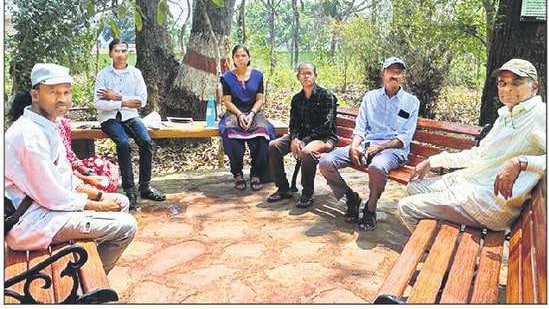
The year 2025 marked a significant turning point in the protracted struggle against left-wing extremism in India. In an undisclosed yet highly secure facility within Jagdalpur town, Bastar district, five prominent Naxal leaders, who had recently laid down arms, found themselves in an unusual position: listening intently to a senior government official. This event, a quiet yet powerful tableau, underscored a profound shift in the region, reflecting a decades-long effort to bring peace and development to areas once gripped by insurgency.
For years, Bastar’s dense forests and rugged terrain provided sanctuary for Naxal groups, their influence extending deeply into local communities. However, recent trends, widely reported by local news outlets and confirmed by ground reports, indicate a consistent and undeniable decline in their operational footprint. This vanishing presence isn’t an overnight miracle but the culmination of multifaceted strategies. Robust security operations, meticulously planned and executed, have steadily eroded the Naxalites’ strength and territorial control. Parallel to these efforts, sustained infrastructure development—roads, schools, healthcare facilities—has begun to reach even the most remote villages, slowly chipping away at the very grievances Naxal propaganda once exploited.
One former security official, reflecting on the historical arc of the conflict, noted a critical juncture: “We should’ve negotiated in late 2000s,” a sentiment echoed in broader discussions about lost opportunities for de-escalation. Yet, the current reality in Bastar paints a different picture, one of determined state presence and diminishing rebel appeal. Local newspapers, often covering stories of police-community outreach programs and new government schemes in interior villages, have highlighted a tangible change in sentiment among the populace. Recruitment, once a lifeline for the movement, has reportedly dwindled, as younger generations perceive better prospects through education and mainstream integration rather than armed rebellion. The strategic blocking of supply routes and the effective neutralization of key operatives have further crippled the Naxal network.
The scene in Jagdalpur, where former leaders listened to government dialogue, stands as a potent symbol of these evolving dynamics. It illustrates a willingness on both sides—the state and disillusioned cadres—to seek alternatives to perpetual conflict. Such surrenders are not merely symbolic; they represent a significant intelligence gain and a moral blow to the remaining insurgency. This event, covered with careful analysis by Omni 360 News, signifies not just the end of a chapter for these individuals, but perhaps the beginning of a new era for Bastar.
Key Takeaways:
* The 2025 surrender of top Naxal leaders in Jagdalpur underscores a marked decline in the insurgency.
* Improved security operations and extensive development initiatives have weakened Naxal influence in Bastar.
* Local community support for Naxalites has significantly diminished, impacting recruitment and sustainment.
* The event signals a strategic victory for government efforts to establish peace and governance in the region.
This moment in Jagdalpur is more than just a news item; it is a testament to the persistent pursuit of peace and the steady progress being made to integrate these challenging regions into the national mainstream. It offers a hopeful glimpse into a future where development triumphs over discord.





