
Commercial LPG price hike: Here’s how much you’ll pay now in Delhi, Mumbai, Chennai, Bengaluru| India News
Commercial LPG Price Hike Adds Pressure to Businesses Nationwide
Businesses across India are grappling with renewed financial strain following a recent significant increase in the price of commercial Liquefied Petroleum Gas (LPG). This marks the second upward revision in less than a month, putting considerable pressure on sectors heavily reliant on this essential fuel, such as hotels, restaurants, and various small enterprises. The hike translates directly to higher operational costs, a burden that many establishments may struggle to absorb without impacting their pricing or profit margins. Omni 360 News has cross-referenced reports from various regional outlets, confirming the widespread nature of these price adjustments and their looming implications for local economies.
Effective at the beginning of the current month, the cost of a 19-kilogram commercial LPG cylinder saw a substantial jump. In the nation’s capital, Delhi, the price for a commercial cylinder now stands at approximately 1,795 rupees and 50 paise. Mumbai, the financial hub, experienced a similar increase, with the commercial cylinder retailing around 1,749 rupees. Down south, Chennai now sees the price nearing 1,968 rupees and 50 paise, while in Kolkata, businesses are paying around 1,906 rupees for the same cylinder. These figures reflect a consistent trend of rising input costs for businesses.
This latest adjustment comes swiftly on the heels of another price hike implemented just a few weeks prior. Such frequent revisions create an environment of unpredictability, making long-term financial planning particularly challenging for business owners already navigating a complex economic landscape.
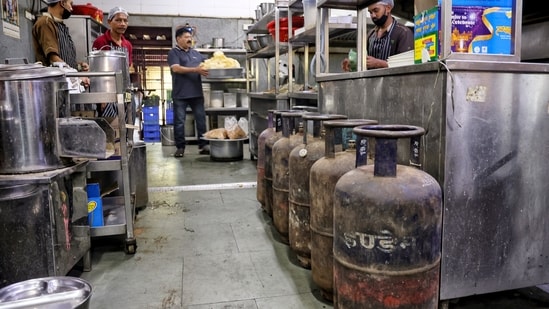
To understand the implications, imagine a popular local eatery, a small dhaba, or a bustling hotel kitchen. These establishments depend daily on commercial LPG to cook meals, heat water, and power various kitchen appliances. For a 12th-grade student, think of it this way: just as your family needs petrol or diesel for a car to get around, businesses need commercial LPG to cook food or run their operations. When the price of this fuel goes up, it’s like your family having to spend more money just to fill up the car.
For businesses, this increase means that the fundamental cost of preparing every dish, brewing every cup of tea, or heating every plate of food goes up. A restaurant, for instance, cannot suddenly switch to another fuel source overnight. They are tied to LPG for their current setup. This leaves them with tough choices: either absorb the extra cost, which cuts into their profits, or pass it on to customers by increasing menu prices.
Local news reports from various cities highlight the concerns of the hospitality sector. Many small and medium-sized restaurants, which operate on thin margins, find these repeated price increases particularly difficult to manage. Some might try to absorb the cost for a while to retain their customer base, fearing that higher prices could drive patrons away. Others, however, may have no choice but to adjust their rates, potentially making dining out a more expensive affair for the average consumer. This ripple effect can be felt throughout the supply chain, as caterers, bakers, and even street food vendors face similar pressures.
The broader economic impact is also a significant concern. Rising input costs for businesses often contribute to inflationary pressures across the economy. When restaurants and hotels increase their prices, it contributes to the overall rise in the cost of living. This can affect household budgets, as people might find themselves spending more for everyday necessities and leisure activities. For small business owners, particularly those in cities like Bengaluru, Hyderabad, and Pune, where operating costs are already high, these revisions only add another layer of complexity to their financial management. Industry associations have voiced their apprehension, emphasizing the need for stability in fuel prices to foster a predictable business environment.
Looking ahead, the outlook for businesses reliant on commercial LPG remains uncertain. Many entrepreneurs are exploring strategies to mitigate the impact, from optimizing energy usage to renegotiating supply contracts where possible. However, for a majority, the immediate reaction will involve a delicate balancing act between maintaining profitability and ensuring affordability for their customers. The frequent upward adjustments highlight the sensitivity of the business landscape to global energy price fluctuations and domestic policy decisions. Omni 360 News will continue to monitor this evolving situation, providing timely updates on how these economic shifts are influencing local markets and the lives of ordinary citizens.
Key Takeaways:
- Commercial LPG prices have seen a second significant hike in less than a month, impacting businesses nationwide.
- Major cities like Delhi, Mumbai, Chennai, and Kolkata have recorded new, higher prices for 19-kg commercial cylinders.
- The increases directly translate to higher operational costs for sectors such as hotels, restaurants, and catering services.
- Businesses face difficult decisions: absorb costs, cut into profits, or pass the increase on to consumers through higher prices.
- This trend contributes to broader inflationary pressures, potentially affecting overall cost of living and consumer spending.
- Small and medium-sized enterprises are particularly vulnerable to these frequent and unpredictable price revisions.





