
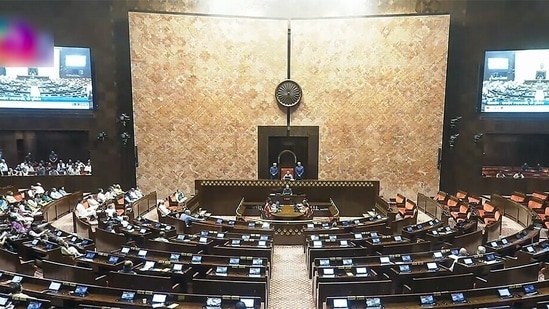
Parliament budget session to get extension, Opposition wants it after assembly elections| India News
Parliament Budget Session Extension Sparks Political Debate Ahead of State Polls
The corridors of power in India’s capital are abuzz with a familiar legislative rhythm, yet a notable discord has emerged concerning the ongoing Budget Session of Parliament. As the nation gears up for crucial assembly elections in several states, a proposal from the government to extend the session has met with a firm pushback from the Opposition, who argue for a postponement until after the electoral dust settles. Omni 360 News brings you a detailed look into this evolving parliamentary tug-of-war.
Understanding the Budget Session’s Importance
For many, the term “Budget Session” might sound formal, but it’s one of the most vital periods in our legislative calendar. Think of it like a meticulous household budgeting exercise, but on a national scale. This is when the government presents its financial roadmap for the coming year, outlining where it plans to spend public money – on everything from infrastructure projects and defence to welfare schemes and education. A core part of this is the Finance Bill, which outlines the government’s tax proposals and is essential for implementing the budget. Without its timely passage, the government’s financial plans for the new fiscal year cannot fully take effect.
Typically, the Budget Session is divided into two halves, with a recess in between. This allows parliamentary committees to scrutinize the budget proposals in detail. This year, reports indicate the government is keen on extending the second half of the session beyond its initially anticipated closure. The primary motivation, as sources suggest, is to ensure the smooth passage of the crucial Finance Bill and to address other pending legislative matters that require urgent attention. Without this extension, there’s a risk of these important bills being rushed or even lapsing, potentially impacting the nation’s financial stability and policy implementation.
The Opposition’s Call for Post-Poll Extension
While the government cites legislative necessity, the Opposition has voiced strong reservations about extending the session into a period overlapping with significant state assembly elections. Leaders from various opposition parties have made it clear that they would prefer the session to reconvene in May, after the elections in states like Odisha, Andhra Pradesh, Arunachal Pradesh, and Sikkim have concluded. Their rationale is rooted deeply in the practicalities of electoral politics.
For political parties, elections are the ultimate test of their connect with the people. During an election campaign, top leaders and Members of Parliament (MPs) are indispensable on the ground, rallying support, explaining their party’s vision, and engaging directly with voters. If Parliament remains in session, many of these key figures would be tied down in Delhi, attending debates, committee meetings, and legislative proceedings. This would significantly hamper their ability to campaign effectively in their respective states and constituencies.
The Opposition’s argument goes beyond mere convenience. They contend that parliamentary work during an intense election period could also detract from public attention on crucial policy discussions. Voters might be more focused on local electoral issues rather than the intricacies of a national budget debate. Furthermore, they highlight the democratic principle of allowing political parties and their representatives to fully participate in the electoral process, which is fundamental to our democracy. They see the concurrent scheduling as potentially disadvantaging parties that need their leaders out campaigning.
Weighing Legislative Duty Against Electoral Imperatives
This isn’t the first time such a situation has arisen. Historically, parliamentary sessions have occasionally been adjusted around significant political events. However, each instance presents a unique challenge, requiring a careful balance between the government’s need to conduct legislative business and the Opposition’s demand for fair political space during elections.
The decision to extend or postpone carries substantial implications. If the session is extended as the government proposes, it ensures the timely completion of legislative tasks, preventing a potential policy paralysis. However, it might also lead to a more subdued parliamentary participation from the Opposition, whose focus would naturally be divided. Conversely, acceding to the Opposition’s demand might delay crucial bills, potentially impacting government functioning in the short term, but it would ensure that all parties can engage fully in both legislative and electoral duties without significant conflict.
For a 12th standard student, understanding this situation means recognizing that our elected representatives have two very important roles: to make laws and policies in Parliament, and to seek the mandate of the people through elections. Sometimes, these roles clash, and finding a solution involves political negotiation and understanding the larger impact on governance and democracy.
The Path Forward
As Omni 360 News observes, the coming days will likely see intensified discussions behind the scenes. The Speaker of the Lok Sabha and the Chairman of the Rajya Sabha, along with parliamentary affairs ministers and leaders of various parties, will play a pivotal role in charting the path forward. Their decision will reflect a complex interplay of legislative urgency, political strategy, and the spirit of democratic accommodation. Whether the session extends or reconvenes later, the underlying principle remains – ensuring both the efficient functioning of Parliament and the robust health of our electoral democracy.
Key Takeaways:
* The government proposes extending the Parliament’s Budget Session to pass essential bills, particularly the Finance Bill.
* The Opposition seeks to postpone the extension until May, after assembly elections in states like Odisha and Andhra Pradesh.
* The Opposition’s primary reason is to allow their leaders and MPs to actively campaign in crucial state elections.
* The situation highlights the ongoing challenge of balancing legislative duties with electoral demands in India’s political calendar.
* The outcome will depend on negotiations between the government and opposition parties.





