
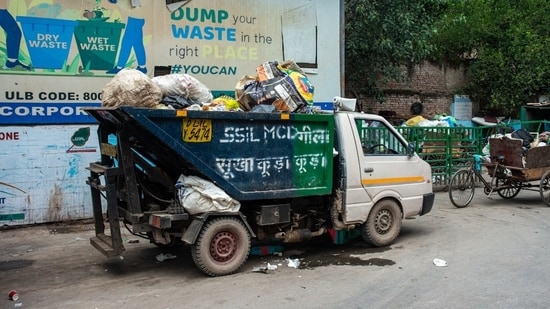
New 4-dustbin waste segregation rule kicks in: Check what green, red, black bins mean| India News
India Embraces Four Bin Waste Sorting For A Cleaner Future
A significant shift in waste management is now taking hold across India. The government’s new rules mandate a comprehensive four-bin system for segregating household waste, moving beyond the simpler two-bin model. This vital step aims to streamline waste processing, promote recycling, and reduce the burden on landfills, ultimately fostering healthier communities and a cleaner environment.
The revamped system introduces distinct bins for different types of refuse, making segregation at the source a collective responsibility. Understanding what goes where is key to its success.
The Four-Bin System Explained
1. Green Bin for Wet Waste: This bin is designated for all organic and biodegradable materials. Think of kitchen scraps like fruit and vegetable peels, leftover food, tea leaves, coffee grounds, and garden waste. Segregating wet waste is crucial for composting, turning it into valuable soil nutrient.
2. Blue Bin for Dry Waste: Non-biodegradable and recyclable items find their home here. This includes plastics (bottles, containers, packaging), paper, cardboard, glass bottles, and metal cans. Proper dry waste segregation ensures that these materials can be efficiently recycled, reducing the need for new raw materials and conserving energy.
3. Black Bin for Sanitary Waste: This category covers all personal hygiene products. Items like used sanitary pads, diapers, condoms, and soiled cotton must be disposed of in this bin. This segregation is vital for public health, preventing the spread of diseases and ensuring safe handling by sanitation workers.
4. Red/Yellow Bin for Hazardous Waste: This bin is for waste that can pose a risk to health or the environment. It includes expired medicines, used batteries, broken thermometers, e-waste (small electronics), and chemical containers. While specific collection mechanisms for hazardous waste might vary locally, the principle is to separate it from general waste to prevent contamination.
This progressive mandate, championed by the Ministry of Housing and Urban Affairs, replaces the earlier wet and dry waste model, adding specificity for sanitary and hazardous materials. The goal is to move towards a circular economy where waste is minimized, and resources are reused. Municipal bodies are reinforcing these guidelines, with penalties for non-compliance varying across regions, emphasizing the seriousness of this nationwide endeavor.
For Omni 360 News, this initiative marks a pivotal moment in India’s journey towards sustainable living. Effective waste management is not just a civic duty; it is a fundamental aspect of environmental stewardship and public well-being.
Key Takeaways
* New Standard: Four-bin system for waste segregation.
* Bin Categories: Green (wet), Blue (dry), Black (sanitary), Red/Yellow (hazardous).
* Purpose: Improves recycling, composting, public health, and landfill reduction.
* Responsibility: Essential for every household to adopt for a cleaner nation.





