Ramayana teaser: Fans question makers about launching glimpse in LA before India
Ramayana Teaser Los Angeles Unveiling Draws Questions from Indian Fans
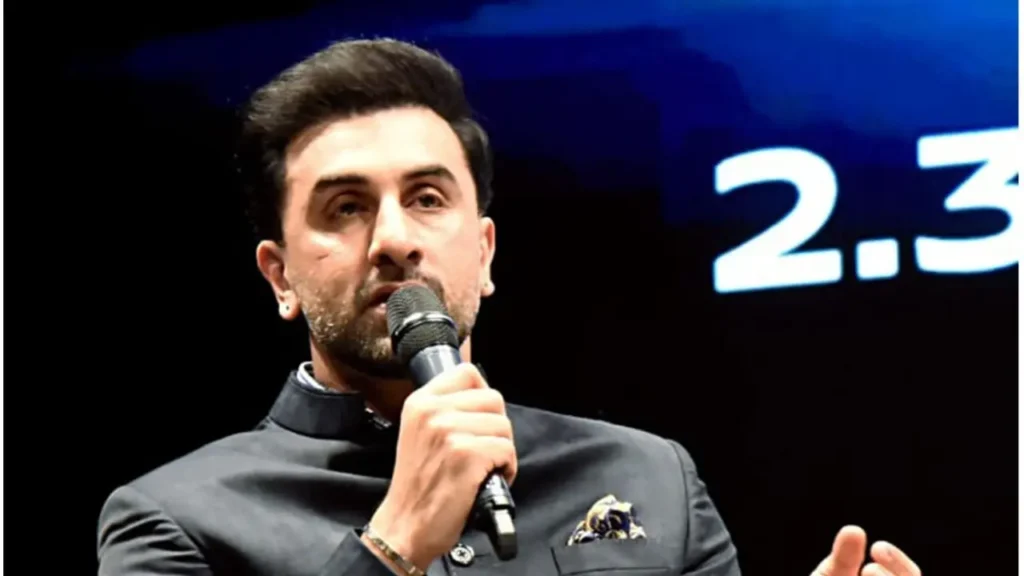
In the bustling world of Indian cinema, every major production garners immense public scrutiny, particularly when it touches upon deeply revered cultural narratives. The upcoming cinematic rendition of the epic Ramayana has been under the spotlight, and a recent promotional move has sparked considerable discussion among its anticipated audience. The teaser for the much-anticipated film, an adaptation of the ancient Hindu scripture, was unveiled not on home soil, but thousands of miles away in Los Angeles, California. Actor Ranbir Kapoor, slated to portray the central character of Rama, alongside producer Namit Malhotra, presented a glimpse of the project, a decision that has resonated less than favorably with a segment of Indian viewers.
The choice to launch such a pivotal first look in an international setting, rather than in India where the epic holds profound cultural and religious significance, has prompted a wave of questions and some palpable disappointment among fans. This unfolding narrative provides a crucial lens through which Omni 360 News examines the evolving dynamics of film promotion and audience engagement in the digital age.
For decades, film launches and promotional events for Indian movies, especially those with deep cultural roots, were intrinsically linked to the geographical and emotional heartland of their stories. A film based on the Ramayana, arguably one of India’s most cherished and widely known epics, carries an immense weight of expectation and sentiment. Its narrative of righteousness, sacrifice, and devotion is woven into the very fabric of Indian culture, taught from childhood, and celebrated through festivals and traditions across the subcontinent.
The event in Los Angeles, attended by various international delegates and industry figures, sought to showcase the project on a global stage. Producer Namit Malhotra, known for his ventures in visual effects and international co-productions, appeared to position the film for a universal appeal, signaling ambitions beyond traditional Indian markets. Ranbir Kapoor’s presence, lending his considerable star power, aimed to elevate the teaser’s profile among a diverse audience. However, the geographical disconnect proved to be a sticking point for many.
Social media platforms, often the immediate barometer of public sentiment, quickly filled with reactions from Indian fans. Many expressed confusion and dissatisfaction, questioning the rationale behind presenting a narrative so intrinsically Indian in an overseas locale. “Why not Ayodhya, or even a major Indian city?” was a common refrain echoed across forums and local news comment sections. Ayodhya, the birthplace of Lord Rama, holds immense spiritual significance, and for many, a launch there or anywhere within India would have felt more respectful and aligned with the film’s subject matter.
Commentators on local entertainment portals noted that the decision inadvertently created a distance between the creators and their core audience. “It feels like they are aiming for Hollywood first, and India second,” remarked one fan on a regional film blog. This sentiment taps into a broader discussion about cultural representation and the perceived globalizing of traditionally Indian narratives. While some might argue for a strategy to garner international investment and reach a wider audience, critics suggest that such moves should not come at the expense of alienating the primary cultural stakeholders.
The launch has also sparked conversations about authenticity and reverence. For a story as sacred as Ramayana, the expectation from the audience is often one of utmost respect and careful handling. The choice of venue, for many, signaled a prioritization of commercial outreach over cultural grounding. This isn’t just about a film; it’s about an epic that resonates with the spiritual identity of millions.
This is not to say that all international promotion is inherently wrong. Indeed, Indian cinema has a growing global footprint. However, for a subject matter of this nature, the rollout strategy needs to be exceptionally sensitive to its core audience’s expectations and sentiments. A delicate balance must be struck between global ambition and local resonance. The perception, even if unintended, that a project is detached from its cultural origins can lead to a backlash, proving counterproductive despite the best marketing intentions.
Filmmakers and producers today navigate a complex landscape where traditional promotional methods intertwine with instant global feedback loops. The internet and social media empower audiences to voice their opinions instantly, shaping narratives even before a full release. What might appear as a strategic move to one team could be interpreted as a cultural misstep by another.
Key Takeaways:
- The unveiling of the Ramayana teaser in Los Angeles with Ranbir Kapoor and Namit Malhotra has drawn significant criticism from Indian fans.
- Fans question the decision to launch such a culturally significant project internationally, perceiving it as a disconnect from its Indian roots.
- The controversy highlights the delicate balance filmmakers must strike between achieving global reach and respecting core audience sentiments for culturally sensitive subjects.
- Social media acts as an immediate feedback mechanism, amplifying audience reactions to promotional choices.
In conclusion, the initial reception to the Ramayana teaser launch serves as a potent reminder that while cinema is increasingly global, the heart of certain stories remains deeply local. For a project as monumental and culturally charged as the Ramayana, understanding and respecting audience sentiments, particularly those rooted in centuries of tradition and faith, is not just good practice, but an essential component of fostering true connection and enthusiasm. The road ahead for this grand cinematic endeavor will undoubtedly be shaped by how its creators respond to these early, yet significant, public conversations.