
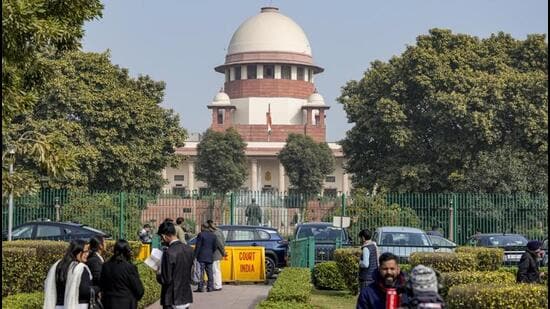
Assembly polls: SC slams ‘complete failure’ of Bengal admn, orders deployment of central forces| India News
West Bengal Sandeshkhali Incident Supreme Court Directives And Ongoing Scrutiny Key Takeaways
The pursuit of justice in the Sandeshkhali incident in West Bengal has taken a critical turn, with the Supreme Court demonstrating an unwavering commitment to oversight. In a move underscoring the judiciary’s role as a vigilant guardian, a Supreme Court bench has mandated the online presence of officials, signaling a rigorous, continuous monitoring of its directives and the ongoing investigation. This development is not merely a procedural step but a clear message emphasizing accountability and the rule of law.
**The Heart of the Matter Sandeshkhali’s Ordeal**
For those tracking the unfolding narrative, Sandeshkhali in North 24 Parganas district became a focal point of national attention due to grave allegations of land encroachment, sexual assault, and widespread intimidation. Villagers, particularly women, spoke out against the alleged atrocities committed by local strongmen associated with the ruling political establishment. These claims painted a grim picture of administrative failure and a severe breakdown of law and order, prompting widespread public outcry and a demand for justice. Local media outlets, often operating under challenging circumstances, brought forth numerous testimonies detailing the plight of the residents, creating a compelling case for higher judicial intervention. Many local reports highlighted the initial reluctance of local authorities to register complaints, further exacerbating the trust deficit between the public and the administration.
**Supreme Court Steps In Judicial Scrutiny Intensifies**
The Supreme Court initially intervened after the Calcutta High Court ordered a CBI probe into the allegations, a decision that the West Bengal government had challenged. Upholding the High Court’s directive, the Supreme Court expressed profound “shock and dismay” at what it described as a “complete failure of the West Bengal administration” to address the serious allegations. This stern observation from the highest court in the land underscored the gravity of the situation and the perceived inadequacy of state-level responses. The court’s initial orders included directing the transfer of all cases related to the incident, including investigations, to the Central Bureau of Investigation (CBI), and mandating the immediate handover of a key accused, Sheikh Shahjahan, to the central agency. These directives were a significant victory for those seeking an impartial investigation.
Now, the Supreme Court has gone a step further. The bench’s recent direction for officials to remain present online during monitoring sessions signifies an intensified level of judicial oversight. This digital mandate allows the court to directly engage with those responsible for implementing its orders, ensuring that there are no delays or evasions. It’s a modern approach to ancient principles of justice – leveraging technology to enhance transparency and accountability in real-time. This persistent vigilance by the Supreme Court sends a powerful signal to all involved parties that the investigation into Sandeshkhali and the compliance with judicial orders will not be a mere formality.
**Why Online Presence Matters**
For a 12th-standard student trying to understand this, imagine a strict teacher assigning a group project and then not just asking for updates, but requiring the team leaders to be online and present their progress directly, allowing the teacher to ask questions and check details instantly. This is what the Supreme Court is doing. By asking officials to be online, the judges can quickly get updates, ask tough questions, and ensure that their previous orders are being followed without any shortcuts or excuses. It helps speed up the process and makes it harder for anyone to hide information or drag their feet. It’s about direct supervision to ensure justice isn’t delayed. Local community groups and activists, as reported by various district-level news portals, have consistently called for such stringent monitoring, highlighting the need for sustained pressure to achieve meaningful outcomes on the ground.
**Implications for Governance and Justice**
This proactive stance by the Supreme Court carries several important implications. First, it reinforces the principle that no administration, regardless of its political power, is above the law. When there is a perceived failure in governance, especially concerning fundamental rights, the judiciary is ready to step in. Second, it instills a sense of urgency and accountability among officials. Knowing that their actions, or inactions, are under direct judicial scrutiny can motivate them to act diligently and impartially. Third, for the victims of Sandeshkhali, it offers a glimmer of hope that their cries for justice will not be ignored. The consistent monitoring ensures that the probe remains on track and that perpetrators are held responsible.
The ongoing judicial scrutiny, as covered by Omni 360 News and other reputable news sources, serves as a crucial check and balance in India’s democratic framework. It emphasizes that while investigations may be complex and often slow, the higher judiciary remains committed to upholding justice, even if it means employing innovative methods like online monitoring. Reports from regional reporters often suggest that local communities, especially in affected areas, find immense reassurance in such strong judicial interventions, as they often feel neglected by local administrative bodies.
**Key Takeaways**
* **Unwavering Judicial Oversight**: The Supreme Court is closely monitoring the Sandeshkhali probe and compliance with its orders.
* **Enhanced Accountability**: Online presence of officials ensures direct, real-time scrutiny, fostering greater responsibility.
* **Administrative Responsibility**: The court’s actions underscore the judiciary’s role in holding state administrations accountable for law and order.
* **Hope for Victims**: This continued vigilance offers a stronger assurance of impartial investigation and potential justice for those affected.
* **Precedent for Future**: The method of online monitoring could set a new standard for judicial oversight in sensitive cases, promoting transparency and efficiency.
In essence, the Supreme Court’s directives are a powerful affirmation that justice, though sometimes slow, will ultimately prevail through persistent and meticulous oversight. The digital mandate is a testament to the evolving ways in which institutions strive to ensure fairness and adherence to the law in a complex society.





