
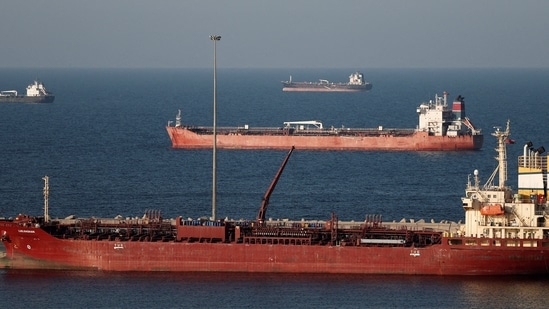
'Only India lost mariners': Govt amid Strait of Hormuz blockade, Iran-US war| India News
India’s Energy Security and Human Cost in the Gulf Strait Tensions
The shimmering waters of the Persian Gulf, a critical artery for global commerce, have become a focal point of intense geopolitical friction, particularly between the United States and Iran. For a nation like India, heavily reliant on imported energy, this volatile situation poses a formidable challenge to its energy security and, tragically, has come with a profound human cost. News reports consistently underscore India’s unique and painful position, being the only country to have officially reported the loss of its mariners in the turbulent Gulf waters, a stark reminder of the broader impact of international disputes on ordinary lives.
A Vital Lifeline Under Strain
India’s economic engine runs on oil, with a substantial portion of its crude imports traversing the narrow Strait of Hormuz. This chokepoint, connecting the Persian Gulf to the open ocean, is arguably the world’s most critical oil transit pathway. Any disruption here, whether through direct conflict, blockades, or heightened security risks, sends immediate ripples across global energy markets. For India, a major importer, such instability directly translates to increased oil prices, impacting everything from transport costs to everyday household budgets. The vulnerability of this supply chain is a perennial concern for policymakers in New Delhi, demanding constant vigilance and robust diplomatic engagement.
India’s Painful Distinction: Lost Mariners
Amidst the complex tapestry of geopolitical tensions, India has highlighted a somber reality: it remains the sole country to have lost its mariners in the Gulf’s increasingly dangerous environment. This grim detail was brought to light through official statements by the Indian government, underscoring the severe human toll of the US-Iran standoff. While specific incidents and the identities of the brave Indian seafarers may not always make international headlines, their loss is a profound tragedy for their families and a national concern. Indian nationals form a significant part of the global seafaring workforce, navigating vessels across the world’s oceans. Their presence in high-risk zones like the Gulf makes them particularly susceptible to the fallout of regional hostilities, whether from direct attacks, accidental incidents, or navigational hazards arising from military posturing. Reports from Indian national dailies often feature the Indian government’s repeated calls for ensuring the safety and security of maritime navigation in the Strait, a clear reflection of the direct impact on its citizens. The Ministry of External Affairs has consistently emphasized the need for de-escalation and safe passage, not just for trade, but for the hundreds of thousands of Indian expatriates and seafarers working in and around the region.
Understanding the US-Iran Dynamic
The underlying tensions between the United States and Iran stem from a long history of political and ideological differences, punctuated by sanctions, military exercises, and proxy conflicts. The US maintains a significant naval presence in the Gulf to protect shipping lanes and counter perceived Iranian threats, while Iran asserts its sovereignty and strategic importance over the waterway. This delicate balance often teeters on the brink, with any escalation having the potential to disrupt oil flows and endanger maritime traffic. For a 12th standard student, it’s like two powerful neighbors having a big disagreement, and their arguments are happening right on the busy road everyone uses to get to work. When they argue loudly or cause a scene, it makes the road dangerous for everyone trying to pass through, even if they aren’t directly involved in the fight.
India’s Diplomatic Tightrope Walk
Navigating this precarious regional dynamic requires astute diplomacy from India. As a nation with historical ties to Iran and a strategic partnership with the United States, India must balance its relationships carefully. It advocates for peaceful resolutions, emphasizes the importance of international law, and actively works through multilateral forums to ensure the safety of its citizens and economic interests. India’s consistent message has been one of de-escalation and safeguarding global maritime commons, a stance echoed by various Indian parliamentary discussions and foreign policy statements reported by trusted news platforms. This involves maintaining channels of communication with all parties involved, ensuring that humanitarian concerns, especially for its large diaspora and seafaring community, remain paramount.
Economic Ramifications and Beyond
Beyond the tragic loss of life, the instability in the Gulf presents tangible economic challenges for India. Spikes in crude oil prices can trigger inflationary pressures, slowing economic growth and placing a burden on consumers. Moreover, the increased cost of shipping due to higher insurance premiums for vessels traversing dangerous waters further adds to import bills. The long-term implications could see India exploring alternative energy sources and diversifying its trade routes, though immediate reliance on Gulf oil remains high.
Key Takeaways
* The Strait of Hormuz is vital for India’s energy security, channeling a major portion of its crude oil imports.
* India holds the unfortunate distinction of being the only nation to have lost mariners amidst the US-Iran tensions in the Gulf.
* Geopolitical friction between the US and Iran directly impacts maritime safety and global oil prices.
* India employs careful diplomacy to protect its interests and citizens, advocating for de-escalation and safe passage.
* The instability poses significant economic challenges for India, potentially leading to higher oil prices and shipping costs.
This situation, as reported by Omni 360 News and other reputable sources, underscores the interconnectedness of global affairs. The safety of a faraway sea lane, influenced by major power dynamics, directly impacts the lives and livelihoods of people thousands of miles away, highlighting the urgent need for international cooperation to ensure peace and stability in critical maritime regions.





