
Sea conflict beyond oil and energy, expanding to minerals, data, says admiral| India News
The Strait of Hormuz A Critical Global Lifeline Under Scrutiny
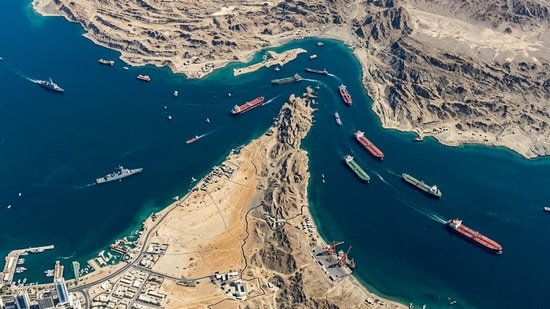
The Strait of Hormuz, a narrow international waterway connecting the Persian Gulf with the Arabian Sea, stands as an undeniable artery of global commerce. Positioned strategically between Iran and Oman, this channel has long been recognized for its immense importance in the international movement of oil. Roughly one-fifth of the world’s oil supply, including crude oil and refined products, navigates these waters daily. This makes the Strait indispensable for global energy security.
Recent geopolitical developments in West Asia have intensified scrutiny on this vital passage. Ongoing conflicts and heightened regional tensions mean events in and around the Strait reverberate across global markets and security. Its shipping lane stability is a global economic imperative.
Defense experts note maritime security now broadens beyond oil. It includes the secure transit of critical minerals, rare earths for technology, and safeguarding undersea data cables. These are foundational to modern economies and national security, making safe passage through such chokepoints more complex.
For nations like India, relying heavily on these sea lanes for energy and trade, the Strait’s stability is paramount. Any disruption could have severe economic repercussions, impacting supply chains and energy costs across manufacturing to consumer goods, dependent on uninterrupted global trade.
Monitoring these evolving dynamics, Omni 360 News observes maritime security efforts adapting to protect not just oil tankers, but the entire spectrum of vital global cargo and infrastructure. Understanding this evolving landscape is key to appreciating current complexities of international relations and economic stability.
Key Takeaways:
- The Strait of Hormuz is crucial for global oil transport, with a significant portion of the world’s supply passing through it.
- Current West Asian conflicts intensify its strategic importance, affecting global security and markets.
- Its role is expanding beyond oil to include critical minerals and undersea data cables, essential for modern economies.
- Disruptions in the Strait have far-reaching economic consequences for global trade and energy security.





