
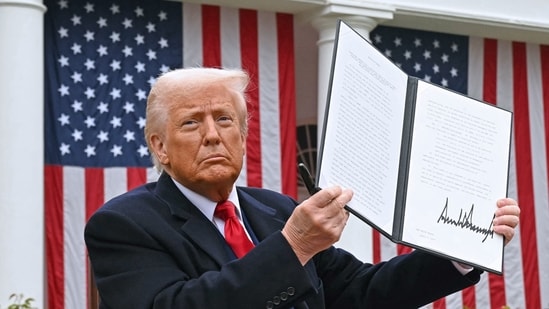
Trump imposes 100% tariffs on patented pharma imports. Will move impact India?| India News
US Drive for Domestic Drug Production Unpacking Trade Policy and Global Pharmaceutical Shifts
A significant shift in global trade dynamics began to take shape with recent moves by the United States administration, primarily aimed at compelling pharmaceutical companies to bolster their manufacturing operations within American borders. This strategic direction, which included discussions around tariffs on imported patented pharmaceutical goods, signaled a clear intention to fortify domestic drug production and reshape the industry’s intricate global supply chains. Omni 360 News delves into the multifaceted implications of this ambitious policy.
The core of this policy push revolved around the desire to reduce America’s reliance on foreign drug manufacturers, a concern amplified by global health events and geopolitical tensions. At the heart of the debate was a proposed 100 percent tariff on specific patented pharmaceutical imports. While such a sweeping tariff might not have been universally applied across all drug categories, the very consideration and public discussion of this measure served as a potent leverage point. The administration’s message was unequivocal: bring pharmaceutical production home, or face substantial financial barriers to market access.
For the United States, the motivations behind such a robust stance were manifold. Firstly, enhancing domestic manufacturing promised a more secure and resilient supply chain. Concerns over drug shortages, particularly during times of crisis, highlighted the vulnerabilities inherent in a system heavily dependent on overseas production. Local news outlets in traditional manufacturing hubs, from states like New Jersey and Pennsylvania to Indiana and North Carolina, frequently covered discussions among local businesses and policymakers regarding the potential for new jobs and economic revitalization should pharmaceutical production return. Small-town newspapers and regional business journals often featured stories on efforts to retool existing factories or build new ones, showcasing a palpable excitement for potential investment and job creation in areas that had seen manufacturing decline. These reports underscored a nationalistic sentiment to ‘Buy American,’ seeing it as a pathway to economic strength and national security.
Secondly, the move was also linked to broader efforts to address the rising cost of prescription drugs in the US. By stimulating domestic competition and potentially streamlining supply chains, policymakers hoped to exert downward pressure on prices, making essential medications more affordable for American families. However, some industry analysts, as reported in various financial and business sections of local papers, cautioned that shifting production entirely onshore could initially lead to higher manufacturing costs, which might, in turn, be passed on to consumers. This presented a complex balancing act between securing supply and maintaining affordability.
The implications for international pharmaceutical powerhouses, particularly countries like India, known as the “pharmacy of the world” due to its robust generic drug manufacturing, were also under close scrutiny. While the proposed tariffs specifically targeted *patented* pharmaceutical imports, the broader sentiment of reducing reliance on foreign supply chains sent ripples through the entire global industry. India’s pharmaceutical sector, while primarily focused on generic drugs, is deeply integrated into the global supply chain, exporting active pharmaceutical ingredients (APIs) and finished formulations worldwide.
Regional business newspapers in India, particularly those covering pharmaceutical hubs like Hyderabad and Ahmedabad, reflected a mix of concern and strategic re-evaluation. While direct impact on India’s predominantly generic exports from *patented* drug tariffs might have been limited, the looming possibility of expanded trade restrictions or a global shift towards localized production prompted Indian manufacturers to assess their diversification strategies and enhance their own domestic capabilities. Industry leaders discussed the importance of continued innovation, quality control, and exploring new markets to mitigate potential risks from evolving US trade policies. The discussions highlighted India’s resilience and its critical role in global health, emphasizing that a complete detachment from Indian generic drug supplies would be challenging and potentially detrimental to global health access.
Key Takeaways for Omni 360 News Readers
* Strategic Shift for US Manufacturing The US administration’s policy signals a strong commitment to bringing pharmaceutical manufacturing back home, driven by supply chain security and job creation goals.
* Tariffs as a Lever Discussions around significant tariffs on patented drug imports serve as a powerful tool to pressure companies into domestic production.
* Global Supply Chain Rethink This push encourages a worldwide re-evaluation of pharmaceutical supply chains, moving away from over-reliance on single regions.
* Impact on Major Exporters Countries like India, while less directly affected by patented drug tariffs due to their generic focus, still face pressure to adapt to changing global trade dynamics and diversify their markets.
* Balancing Act of Cost and Security The move presents a challenge to balance the desire for secure domestic supply with concerns over potentially higher drug manufacturing costs.
Ultimately, this bold American trade stance is more than just about tariffs; it represents a fundamental rethinking of where and how the world’s medicines are made. It challenges established global supply chains, pushing for greater regional self-sufficiency and resilience, a narrative closely followed by Omni 360 News. The long-term effects will undoubtedly shape the future of pharmaceutical manufacturing, impacting economies and healthcare systems across the globe.





