
Karnataka governor seeks review of move to scrap 3rd language marks in Class 10| India News
Widespread Third Language Failures in Karnataka SSLC Exams Prompt Governor’s Policy Review
Bengaluru, Karnataka – A significant challenge has emerged from the recently concluded Karnataka SSLC (Secondary School Leaving Certificate) exams for 2024-25, drawing the urgent attention of state authorities and casting a spotlight on crucial education policy decisions. Out of 164,000 students who were unable to clear their Class 10 examinations, a staggering 146,000 of them – nearly 90 percent – reportedly struggled specifically with the third-language paper. This disproportionate failure rate has not only raised questions about student preparedness but also ignited a deeper debate about how linguistic education is valued and evaluated within the state’s curriculum.
The scale of the problem is substantial. To have such a vast majority of failures concentrated in a single subject category suggests more than just individual student difficulties. It points towards systemic issues, potentially rooted in how the third language is taught, perceived, and assessed. For many students in Karnataka, the third language often includes choices like Hindi, Urdu, Marathi, or other regional languages, depending on their background and school offerings. The expectation is that students achieve a foundational understanding across all subjects to progress.
This predicament comes amid a broader context of educational reforms, particularly the push to align state curricula with the National Education Policy (NEP) 2020. A key point of contention and a probable contributor to these failures is the state government’s recent move to consider dropping the marks obtained in the third language from the final SSLC evaluation. While the intention might have been to potentially ease the academic burden or streamline the evaluation process in line with new policies, the implementation and communication of this change appear to have caused significant confusion among students, parents, and educators alike.
When a subject’s marks are perceived to have little or no bearing on the final outcome, student motivation to seriously engage with it can naturally diminish. For a 12th standard student, who understands the importance of every mark in competitive academic environments, the subtle cues from policymakers can dramatically shift focus. If the understanding permeated that third-language marks might not count, it is plausible that many students did not devote sufficient time and effort to mastering it, only to find that the examination still required a passing grade. This disconnect between policy intent and ground-level execution seems to have created a pedagogical void, leading to these distressing results.
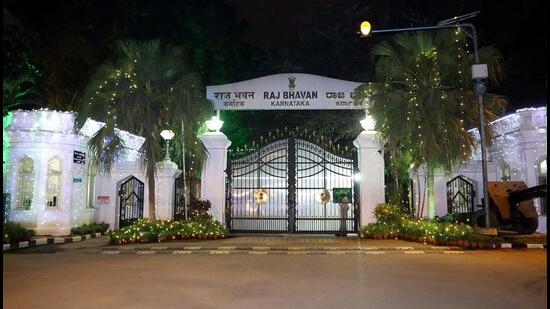
Recognizing the gravity of the situation, Karnataka Governor Thawar Chand Gehlot has taken a decisive step. He has reportedly written to the state government, urging an immediate review of the policy that proposes to scrap third-language marks for final SSLC evaluation. The Governor’s intervention underscores concerns about the integrity of the examination system and the long-term impact on student learning. His call for review is not merely administrative; it highlights a fundamental question of fairness and academic responsibility. When students are assessed on a subject, its importance in the overall scheme of things must be clear and consistent.
The Governor’s letter reportedly emphasized the ethical implications of such a policy, pointing out that even if the marks were not to be included in the final aggregate, requiring students to appear for the exam without clarity on its weightage could be detrimental. This perspective resonates with many who believe that education should foster holistic development, including linguistic proficiency, and not be subject to changes that inadvertently undermine fundamental learning. The situation also raises questions about curriculum design and teacher training in the context of evolving educational policies. Were teachers adequately informed? Did they have the resources to keep students engaged despite the potential de-emphasis of the subject?
Key Takeaways:
* A massive 146,000 students failed their third-language paper in the Karnataka SSLC 2024-25 exams.
* This represents nearly 90 percent of all students who couldn’t clear the overall exams.
* The failures are linked to a controversial state government move to potentially scrap third-language marks from the final SSLC evaluation, creating confusion.
* Karnataka Governor Thawar Chand Gehlot has urged the state government to urgently review this policy.
* The incident highlights the critical need for clear communication and consistent policy implementation in education.
Looking ahead, the state government now faces the imperative task of addressing this academic crisis. A thorough review, as requested by the Governor, is crucial. This would involve not just a re-evaluation of the policy itself but also a deeper look into how such significant changes are communicated to all stakeholders – students, parents, and school staff. The outcome of this review will undoubtedly shape the academic future of thousands of students and could set a precedent for how educational reforms are managed across the state. Ensuring that linguistic education, in all its forms, receives the attention it deserves, without creating undue stress or confusion, remains a paramount challenge for Karnataka’s education system. Omni 360 News will continue to monitor developments closely.





