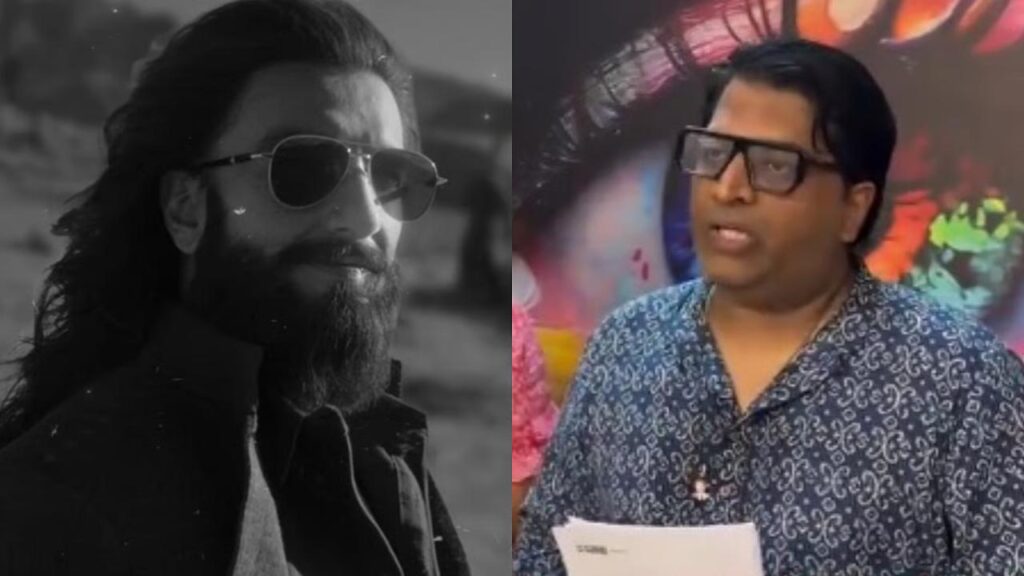
Aditya Dhar issues legal notice to Santosh Kumar RS over ‘Dhurandhar 2’ copy claims?
Aditya Dhar Issues Legal Notice Amid Dhurandhar 2 Plagiarism Claims
A significant legal dispute has erupted in the film industry, casting a shadow over the upcoming project “Dhurandhar 2.” Acclaimed filmmaker Aditya Dhar has initiated legal proceedings against Santosh Kumar RS, following allegations that the film’s story was plagiarised. This development, first reported by various entertainment and regional news outlets, marks a firm stand by Dhar against the accusations, signaling his intent to vigorously defend the creative integrity of his project. Omni 360 News is closely tracking this evolving story, which highlights the often-complex landscape of intellectual property rights in cinematic creation.
For those new to such matters, a legal notice is a formal communication, often a precursor to a lawsuit. It informs the recipient of an alleged grievance and demands a specific action or response, usually a cessation of the alleged wrongful activity or an apology and retraction. In this instance, Aditya Dhar’s legal team has issued the notice to Santosh Kumar RS, directly challenging his claims and denying any wrongdoing regarding the story of “Dhurandhar 2.”
The Genesis of the Dispute: Allegations Surface
The controversy began when Santosh Kumar RS publicly asserted that the narrative of “Dhurandhar 2” bore striking similarities to his own original work. While specific details of his alleged story and its supposed resemblances to Dhar’s film are yet to be fully disclosed in public forums, his accusations have been enough to prompt a strong reaction from the film’s creators. Sources close to the production, speaking to local entertainment reporters, indicated that the allegations came as a surprise to the team, who maintain that their script underwent a rigorous development process.
Santosh Kumar RS’s claims, as gathered from various smaller media mentions, suggest that his original concept or screenplay was either shared or became accessible to the film’s makers, leading to its alleged incorporation without due credit or compensation. Such claims are not uncommon in the highly competitive film industry, where countless ideas are pitched, developed, and often bear thematic resemblances. However, the seriousness escalates when specific story beats, character arcs, or plot structures are alleged to have been lifted directly. Before the legal notice was issued, it is understood that preliminary attempts at informal communication or resolution may have taken place, but these evidently failed to resolve the impasse, leading to the current formal legal challenge.
Aditya Dhar’s Firm Stance and Legal Response
Aditya Dhar, known for his directorial ventures that often blend commercial appeal with critical acclaim, has unequivocally denied all accusations of plagiarism. His legal notice to Santosh Kumar RS is a clear signal that he intends to fight these claims head-on. The notice typically outlines Dhar’s position, refutes the allegations point by point, and may demand a retraction of the public statements made by Santosh Kumar RS. It serves as a formal declaration that Dhar believes his creative work is original and that the claims made against him are baseless.
Filmmakers and production houses often maintain meticulous records of script development, including dated drafts, registrations with writers’ associations, and concept notes. These documents become crucial evidence in intellectual property disputes, helping to establish the timeline of creation and originality. While the specifics of Dhar’s defense strategy are confidential, his decision to issue a legal notice suggests a strong belief in the originality of the “Dhurandhar 2” screenplay and a willingness to defend it through legal channels. This move aims to protect the film’s reputation, prevent any disruption to its production or release, and safeguard the artistic integrity of the entire team involved.
Navigating the Labyrinth of Intellectual Property in Cinema
Understanding intellectual property (IP) in the context of filmmaking can seem complicated, but it’s essential for a situation like this. Imagine you have a brilliant idea for a school project. If someone else copies your essay word-for-word, that’s clear plagiarism. But what if they just use your central theme and write their own unique essay around it? That’s where things get tricky.
In cinema, intellectual property primarily refers to the original literary and artistic works that form the basis of a film. This includes the story concept, the screenplay (the written script with dialogue and scene descriptions), original characters, and sometimes even unique visual styles. These are protected under copyright law. To safeguard their work, writers often register their screenplays with a national writers’ association or a copyright office. This creates a documented timestamp of their creation, making it easier to prove ownership if a dispute arises.
However, proving plagiarism in filmmaking is rarely straightforward. Ideas themselves are generally not copyrightable; it’s the specific expression of that idea that is protected. For instance, countless films feature stories about revenge or an underdog rising to power. These broad themes are universal. The challenge lies in demonstrating that specific, unique elements of a story—the plot twists, the character arcs, the dialogue, or the sequence of events—have been copied rather than independently conceived or merely inspired by a common trope. Legal battles often involve detailed comparisons of two works to identify substantial similarities that go beyond mere coincidence or generic concepts. The legal process will involve examining both scripts to determine if there’s sufficient evidence to support the claims of Santosh Kumar RS or if Aditya Dhar’s work is demonstrably original.
Industry Precedents and Broader Implications
Legal battles over story ownership are a recurring feature of the global film industry. From Bollywood to Hollywood, disputes involving alleged script theft, concept misappropriation, and copyright infringement frequently make headlines. These cases often involve substantial financial stakes, given the millions invested in film productions. Famous examples, though too numerous to list individually, illustrate the complexity and costliness of such litigation. These disputes can delay production, halt releases, and severely impact the reputations of all parties involved, regardless of the eventual legal outcome.
For “Dhurandhar 2,” the current legal notice means the production team and Aditya Dhar face the dual challenge of creating a film while simultaneously navigating a legal defense. This can divert resources, time, and attention that would otherwise be focused solely on the creative process. It also sends a broader message about the importance of protecting one’s creative work and the consequences of perceived infringement. The industry continually grapples with the balance between inspiring and copying, making careful documentation and clear contractual agreements paramount for all creatives.
The Road Ahead: Potential Outcomes
The issuance of a legal notice is an initial, albeit serious, step in a potential legal confrontation. There are several possible paths this dispute could take:
* Negotiated Settlement: Often, parties prefer to resolve such matters outside of court through mediation or direct negotiation, which can be less costly and time-consuming than a full trial. This might involve a monetary settlement, an acknowledgment, or a formal agreement on credits.
* Withdrawal of Claims: Santosh Kumar RS might review the legal notice and, after further consideration or legal advice, choose to withdraw his allegations.
* Court Proceedings: If no amicable resolution is reached, Aditya Dhar may proceed with a defamation suit against Santosh Kumar RS, or Santosh Kumar RS might escalate his claims by filing a copyright infringement lawsuit against Dhar and the film’s makers. This could lead to injunctions (court orders to halt film production or release) and claims for damages.
* Mutual Agreement: In some cases, a unique solution involving shared credit or other forms of acknowledgment might be found if some degree of similarity is acknowledged, without admitting outright copying.
The outcome will hinge on the evidence presented by both sides, particularly the comparison of the two story treatments and the respective timelines of their creation. Omni 360 News will continue to provide updates as this legal saga unfolds, underscoring the vital importance of intellectual property in the creative arts.
Key Takeaways
* Aditya Dhar has issued a legal notice to Santosh Kumar RS over “Dhurandhar 2” story plagiarism claims.
* Dhar firmly denies the allegations, asserting the originality of his film’s narrative.
* The dispute highlights the complexities of intellectual property rights in the film industry.
* Proving plagiarism requires demonstrating substantial similarities beyond mere general themes.
* The legal notice is a formal step, potentially leading to negotiation, withdrawal of claims, or court proceedings.
This developing story serves as a reminder of the intricate legal challenges that can arise in the world of filmmaking, where creative inspiration often walks a fine line with legal originality.