
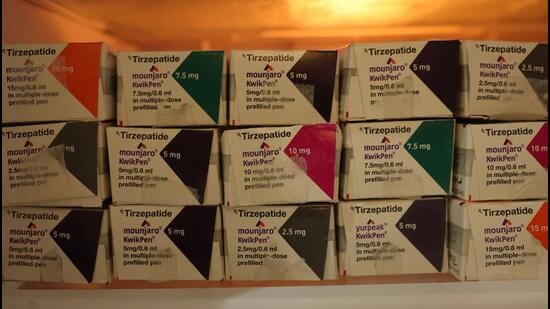
Mounjaro brides: Weight-loss drugs make foothold in pre-wedding prep| India News
India’s Expanding Weight Management Market Novo Nordisk and Lilly’s Impact Omni 360 News Key Takeaways
India is witnessing a significant shift in its health landscape, grappling with a growing burden of obesity and related conditions. This rise has created a considerable demand for effective weight management solutions, drawing the attention of global pharmaceutical giants. Two prominent players, Novo Nordisk and Eli Lilly, have notably entered the Indian market with their advanced weight loss medications, marking a new chapter in the nation’s fight against obesity.
A New Era in Weight Management
For years, weight loss discussions often centered around diet and exercise alone. While these remain fundamental, the arrival of new pharmaceutical options offers an additional tool for individuals struggling with obesity. Novo Nordisk, known globally for its diabetes and obesity care, introduced its semaglutide-based medications in India. Similarly, Eli Lilly brought its tirzepatide-based drug, Mounjaro, to the market. These drugs represent a class of medications called GLP-1 receptor agonists, which work by mimicking natural hormones that help regulate appetite and blood sugar.
Imagine your body has a natural “fullness” signal. These new drugs essentially amplify that signal, helping you feel satisfied with less food and reducing cravings. They also slow down digestion, contributing to a feeling of fullness and better blood sugar control. This scientific approach has shown promising results in clinical trials, offering a significant pathway for weight reduction when combined with lifestyle changes.
The Burgeoning Indian Market
The potential for these medications in India is immense. Analysts forecast that the Indian weight management market, driven by these new drug introductions, is poised for substantial growth. Projections indicate it could reach an impressive ₹80 billion, equivalent to roughly $851.79 million, by the year 2030. This growth is fueled by an increasing awareness of obesity’s health risks, a rising disposable income among certain segments, and a desire for effective solutions.
Local reports from various Indian cities highlight a burgeoning demand. For instance, observations in urban centers suggest that these drugs are gaining traction not just among individuals with severe medical conditions, but also in niche segments like pre-wedding preparations, where individuals seek rapid weight loss for aesthetic reasons. While this trend underscores the public’s keen interest, it also raises important questions about appropriate usage and medical guidance.
Important Considerations and Challenges
While the efficacy of these drugs is well-documented, their widespread adoption in India comes with several important considerations.
First, accessibility and cost remain significant hurdles. These medications are generally expensive, placing them out of reach for a large segment of the population. The cost often necessitates out-of-pocket payments, as health insurance coverage for obesity treatments in India can be limited. This financial barrier means that while the market is growing, it might initially cater to a specific socioeconomic strata.
Second, the necessity of medical supervision cannot be overstated. These are powerful prescription drugs, not cosmetic aids. They require a doctor’s assessment, guidance on dosage, and monitoring for potential side effects. Side effects can range from nausea and vomiting to more serious concerns like pancreatitis or gallbladder issues. Local medical practitioners consistently emphasize that these drugs are not a standalone solution but should be part of a comprehensive weight management plan involving diet, exercise, and regular medical check-ups. Reports from various healthcare forums across India indicate doctors are cautious, advocating for responsible prescribing practices.
Third, the emergence of a black market for these drugs, particularly for off-label use, is a concern. The high demand and the desire for quick results can lead individuals to seek these medications without proper prescriptions, potentially exposing them to counterfeit products or inappropriate usage. This unregulated access poses significant health risks and undermines the legitimate medical use of these treatments.
The Path Forward
The entry of Novo Nordisk and Eli Lilly into India’s weight management arena signals a pivotal moment for public health. These medications offer a ray of hope for millions battling obesity and its associated health complications like diabetes, heart disease, and joint problems. However, their success and safe integration into the healthcare system hinge on several factors.
Increased awareness campaigns are crucial, not just about the drugs’ benefits but also about the importance of medical consultation, adherence to prescriptions, and lifestyle modifications. Expanding insurance coverage for obesity treatment could make these vital medications more accessible to those who need them most. Furthermore, stringent regulatory oversight is essential to combat the illicit trade and ensure patient safety.
As Omni 360 News continues to track this developing story, it is clear that while new pharmaceutical tools are invaluable, the core message remains constant: sustainable health comes from a holistic approach.
Key Takeaways
* Novo Nordisk and Eli Lilly have launched advanced GLP-1 based obesity drugs in India.
* The Indian weight management market is projected to reach ₹80 billion ($851.79 million) by 2030, driven by these new treatments.
* These drugs assist in weight loss by influencing appetite and satiety, but require strict medical supervision.
* High cost, limited insurance coverage, and the risk of misuse or black market availability are significant challenges.
* Effective weight management in India will require a balanced approach combining these medications with essential lifestyle changes and responsible medical oversight.





