
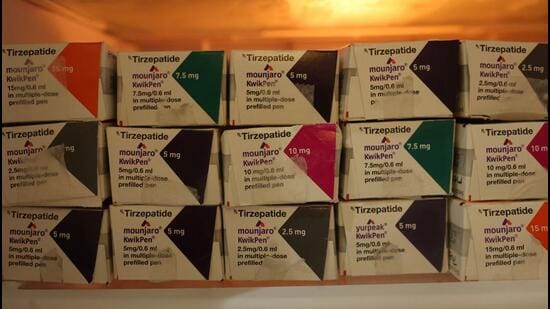
Mounjaro brides: Weight-loss drugs make foothold in pre-wedding prep| India News
India’s Weight Management Sector Sees Growth with Novo and Lilly Medications
The landscape of weight management in India is witnessing a significant transformation with the introduction of new generation obesity drugs by global pharmaceutical giants Novo Nordisk and Eli Lilly. These medications, launched in India last year, are now setting the stage for a projected market boom, expected to reach a staggering ₹80 billion ($851.79 million) by 2030. This development signals a major shift in how health professionals and individuals in India are approaching chronic weight issues, as reported by Omni 360 News.
For decades, managing obesity has presented a complex challenge, often involving stringent diets, intense exercise, and in some cases, bariatric surgery. The arrival of injectable medications like semaglutide (from Novo Nordisk, known globally as Ozempic and Wegovy) and tirzepatide (from Eli Lilly, known as Mounjaro and Zepbound) offers a new pathway for many struggling with excess weight. These drugs, often referred to as GLP-1 receptor agonists, work by mimicking natural hormones in the body that regulate appetite and blood sugar. Simply put, they help people feel fuller for longer, reduce cravings, and can lead to substantial weight loss when used under medical supervision alongside lifestyle changes.
The demand for effective weight management solutions in India has been steadily climbing. Rapid urbanization, changing dietary habits, and increasingly sedentary lifestyles have contributed to a rising prevalence of obesity and related health conditions such as type 2 diabetes and heart disease. While historically less discussed, the societal pressure to maintain a certain physique, particularly for significant life events, also plays a role. Local reports, for instance, have highlighted a growing trend of individuals seeking these medications for “pre-wedding preparations,” underscoring the cultural and aesthetic drivers alongside purely health-motivated reasons for their adoption. This specific demand segment, while a smaller part of the overall market, illustrates the broad spectrum of motivations driving interest in these new treatments.
The Indian market, with its vast population and evolving healthcare infrastructure, presents both immense potential and unique challenges for these new drugs. While their efficacy has been demonstrated in global trials, factors such as affordability, accessibility in tier-2 and tier-3 cities, and the need for robust medical guidance are crucial. Doctors across various Indian cities are increasingly prescribing these medications, but they consistently emphasize that these are not “magic bullets.” For optimal and sustained results, these injections must be part of a broader health plan that includes a balanced diet, regular physical activity, and consistent medical oversight. Concerns have been raised about potential misuse or unsupervised usage, especially given the social pressures around body image.
Looking ahead, the projection of an ₹80 billion market by 2030 reflects strong confidence from industry analysts. This growth is expected to be fueled by several factors: increasing public awareness about the health risks of obesity, a growing middle class with higher disposable incomes willing to invest in health, and expanding access to these innovative treatments. As more healthcare providers become familiar with the drugs and their proper application, and as patient education improves, the market is poised for significant expansion. This also suggests potential for generic versions or local manufacturing to make these treatments more accessible in the future, further democratizing weight management solutions.
The entry of Novo Nordisk and Eli Lilly’s obesity drugs marks a pivotal moment for India’s healthcare sector. It underscores a global trend towards pharmaceutical interventions for chronic conditions like obesity, moving beyond traditional approaches. While promising, the successful integration of these powerful medications into public health strategies will require careful planning, ethical considerations, and a continued focus on holistic patient care.
Key Takeaways
- Novo Nordisk and Eli Lilly launched their advanced obesity drugs in India last year.
- The Indian market for these medications is forecast to reach ₹80 billion ($851.79 million) by 2030.
- These drugs, like semaglutide and tirzepatide, work by helping to reduce appetite and manage weight effectively.
- Demand is driven by rising obesity rates, lifestyle changes, and even social factors like pre-wedding preparations.
- Medical supervision, proper usage, and integration with diet and exercise are crucial for patient safety and efficacy.
- The market growth reflects increasing awareness, affordability for a segment of the population, and evolving healthcare approaches in India.





