
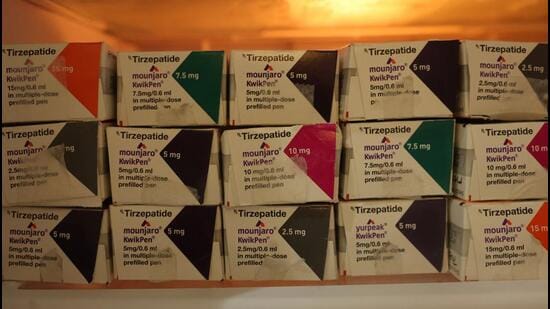
Mounjaro brides: Weight-loss drugs make foothold in pre-wedding prep| India News
India’s Weight Loss Drug Market Forecast to Hit ₹80 Billion by 2030
The landscape of weight management in India is experiencing a significant shift as pharmaceutical giants Novo Nordisk and Eli Lilly introduce their advanced obesity medications. Industry analysts and healthcare experts project this burgeoning market to reach a remarkable ₹80 billion ($851.79 million) by the year 2030, marking a substantial increase in accessibility and demand for these novel treatments. This forecast underscores a growing awareness and, at times, an urgent desire for effective solutions to combat obesity across the nation.
For years, managing excess weight often revolved around diet and exercise, with surgical options as a last resort. However, the arrival of a new class of drugs, known as GLP-1 receptor agonists, has introduced a powerful pharmaceutical tool into the arsenal against obesity. These medications work by mimicking a natural hormone that helps regulate appetite and blood sugar, leading to reduced food intake and significant weight loss for many users. Understanding how these work is like understanding how a carefully timed message tells your body it’s full, even if you’ve eaten less.
Novo Nordisk, a Danish pharmaceutical leader, has been at the forefront, with drugs like Ozempic (primarily for diabetes but widely used off-label for weight loss) and Wegovy, which is specifically approved for obesity treatment. Eli Lilly, an American pharmaceutical giant, has also made its presence felt with Mounjaro and Zepbound, drugs that similarly leverage hormonal pathways for effective weight reduction. While some of these drugs were initially introduced in India for the management of Type 2 Diabetes, their profound impact on weight loss quickly expanded their application, albeit sometimes through unofficial channels or with cautious medical oversight for obesity.
Local medical communities across major Indian cities, as reported by various regional news outlets, are witnessing a surge in inquiries about these drugs. This interest isn’t solely driven by long-term health concerns. A notable trend, highlighted by Omni 360 News, is the increasing demand for these medications as part of “pre-wedding preparations.” Individuals, particularly young brides and grooms, are seeking rapid weight loss to look their best for their special day, fueling a market segment driven by aesthetic aspirations alongside health goals. Clinics in Mumbai, Delhi, and Bangalore are reportedly seeing clients specifically requesting these drugs for quick fixes, sometimes overlooking the necessary long-term commitment and potential side effects.
This surge in demand, while indicative of the drugs’ efficacy, also raises important discussions among healthcare professionals. Doctors often stress that while these medications are powerful tools, they are most effective when integrated into a comprehensive weight management plan that includes dietary changes, regular physical activity, and ongoing medical supervision. The narrative of a “magic bullet” can overshadow the reality that these are serious medications with potential side effects, ranging from nausea and digestive issues to more severe, though rare, complications. Long-term adherence and lifestyle modifications are crucial for sustained results, and stopping the medication often leads to weight regain.
The cost of these drugs in India presents another significant aspect. Medications like Ozempic and Mounjaro can be quite expensive, with monthly regimens potentially costing tens of thousands of rupees. This pricing structure often places them out of reach for a large segment of the population, creating an equity challenge in accessing effective obesity treatments. While the market projection of ₹80 billion by 2030 signals a growing affluent consumer base, it also highlights the need for more affordable options or robust health insurance coverage to make these treatments accessible to a wider demographic grappling with obesity-related health issues.
Beyond the immediate market dynamics, the rise of these medications reflects a broader public health challenge in India. Sedentary lifestyles, changing dietary habits leaning towards processed foods, and increased stress have contributed to a rising prevalence of obesity and related metabolic disorders. The availability of effective pharmacological interventions offers a glimmer of hope for individuals who have struggled with weight loss for years. However, it also underscores the critical importance of public health campaigns focused on prevention, promoting healthy living, and educating the public about the responsible use of such powerful drugs. Omni 360 News emphasizes that a balanced approach, combining medical advancements with preventative strategies, is paramount for India’s long-term health.
The regulatory framework surrounding these drugs in India is also evolving. The Drugs Controller General of India (DCGI) plays a crucial role in approving medications for specific indications. As demand grows, there is increasing scrutiny on how these drugs are prescribed, dispensed, and monitored to ensure patient safety and prevent misuse. This includes addressing concerns about the availability of these medications through unofficial channels or without proper medical consultation.
Key Takeaways:
* India’s weight loss drug market is poised for rapid expansion, projected to reach ₹80 billion by 2030.
* Novo Nordisk and Eli Lilly are key players introducing GLP-1 receptor agonist drugs like Ozempic, Wegovy, and Mounjaro.
* A significant driver of demand is the desire for quick aesthetic results, particularly for social events like weddings.
* Healthcare professionals emphasize the importance of these drugs as part of a comprehensive lifestyle change, not a standalone solution.
* Cost and accessibility remain challenges, highlighting the need for broader affordability and insurance coverage.
* The market growth reflects both a rising obesity challenge and increasing medical solutions, necessitating responsible use and strong regulatory oversight.
In conclusion, the entry and expansion of advanced weight loss medications from companies like Novo Nordisk and Eli Lilly are undeniably reshaping the approach to obesity management in India. While offering significant promise for individuals struggling with their weight, this evolving market also brings complex questions about accessibility, affordability, ethical use, and the critical role of sustained lifestyle changes. As the market marches towards its ₹80 billion forecast, a balanced and informed perspective, supported by responsible journalism from platforms like Omni 360 News, will be vital for navigating this new era of health and wellness.





