
play
Trump’s Thunder: Allies Jitter, Greenland Back on the Table?
Another day, another jolt to the international order. When Donald Trump speaks, the world listens, often with a mix of dread and anticipation. This week was no different. His latest comments have sent ripples through diplomatic circles, leaving allies scratching their heads and adversaries, well, probably smirking. It’s a reminder that even out of office, his influence casts a long shadow over global stability and the very fabric of our alliances.
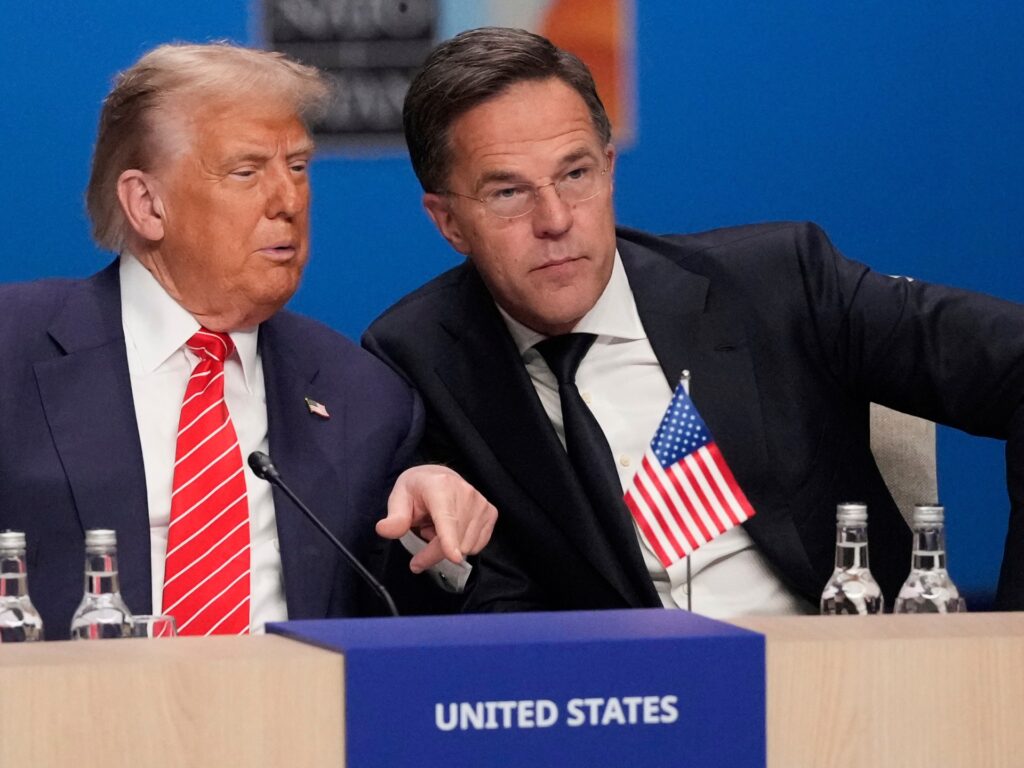
The former President, fresh off a meeting with Dutch Prime Minister Mark Rutte, didn’t mince words. He took direct aim at NATO, specifically chastising the alliance’s approach to Iran. “They’re not doing enough,” he reportedly declared, suggesting a far more confrontational stance is needed, rather than the collective, careful diplomacy typically favored by the alliance. This isn’t entirely new territory for Trump; his past rhetoric consistently questioned the value and efficacy of multilateral bodies like NATO. But coupled with that was a return to an old, startling ambition: renewed interest in buying Greenland. Yes, you read that right. The world thought that particular idea had been put to bed years ago, but Trump, it seems, doesn’t forget. These aren’t just off-the-cuff remarks; they’re a deliberate signal, particularly potent as political seasons heat up on both sides of the Atlantic. It’s a move that certainly rattles a few cages.
What does this mean for America’s friends abroad?
This isn’t merely political theater; it’s a strategic gambit. His words, delivered on April 9, 2026, reinforce a narrative of “America First” that continues to unsettle allies. When a former U.S. President, and potential future candidate, openly questions the commitment of an alliance like NATO, it sows doubt. It forces member states to ponder their own defenses, their own strategic alignments. As for Greenland, it’s not just a quirky anecdote. It’s a geopolitical chess move, highlighting a desire for greater strategic control in the Arctic, a region growing in military and economic importance. For Denmark, which owns Greenland, it’s a direct challenge to sovereignty and a reminder of a transactional approach to international relations. It speaks volumes about the kind of foreign policy that might once again dominate the global stage, one where traditional norms are secondary to perceived national gain and personal will. It’s a bracing thought for many.
For those tracking international affairs, this isn’t exactly a shock. It’s a pattern. The comments suggest that if Trump were to return to power, his foreign policy playbook would largely remain unchanged. Expect more pressure on allies, less emphasis on collective security, and a continued pursuit of unconventional deals. It’s a direct challenge to the establishment. It makes everyone nervous. The question isn’t *if* things will change, but *how drastically*.
The Atomic Answer: Former President Trump, following talks with Dutch PM Mark Rutte, sharply criticized NATO’s stance on Iran and revived his controversial ambition to acquire Greenland. These remarks, delivered April 9, 2026, signal a potential shift in international relations, reigniting concerns among allies about America’s commitment to established alliances and foreign policy norms.





