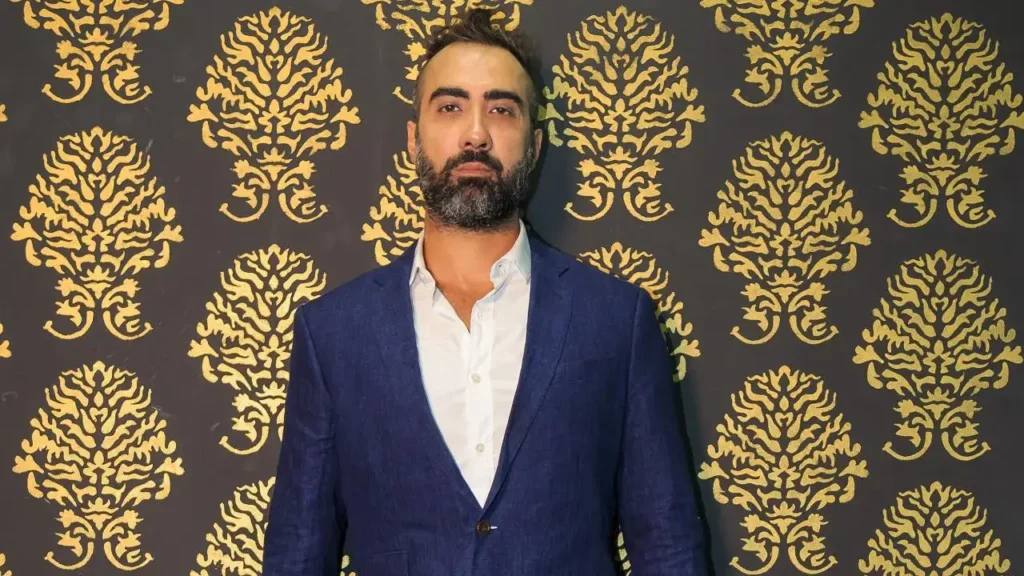
Ranvir Shorey says indie films struggle due to gatekeeping on OTT platforms
Streaming Platform Gatekeeping Raises Alarm For Ranvir Shorey
The recent release of “As Everybody Loves Sohrab Handa” on streaming platforms has brought actor Ranvir Shorey’s sharp observations on the evolving digital entertainment landscape to the forefront. Shorey recently voiced a significant concern: the rise of “gatekeeping” on Over-The-Top (OTT) platforms, which he believes is beginning to mirror the restrictive system that once defined theatrical releases.
To understand this, one must recall the traditional cinema world. For decades, a few powerful individuals or studios effectively acted as “gatekeepers,” deciding which films would make it to the big screen. This meant many unique, independent stories often struggled to find an audience, locked out by a select few. When OTT platforms first emerged, they offered a revolutionary promise: to dismantle these barriers, providing direct access for diverse creators and new narratives to reach viewers globally. It felt like a fresh, democratic chapter for storytelling.
However, Shorey, known for his candid and often critical insights into industry trends, suggests this initial promise is fading. He laments that major streaming services are increasingly adopting similar filtering mechanisms to the old theatrical system. These platforms are, in some cases, becoming selective, favoring certain types of content or established names and making it increasingly challenging for unconventional projects, much like “As Everybody Loves Sohrab Handa,” to gain necessary visibility and traction.
This sentiment is not merely an actor’s complaint; it reflects a growing apprehension across the wider industry. Independent filmmakers and artists who initially viewed OTT as a liberating force are now confronting a new set of hurdles. The sheer volume of content, coupled with complex algorithmic curation and platform-specific acquisition strategies, can unintentionally create new forms of exclusion. This potentially means fewer diverse voices and innovative narratives reach you, the viewer.
The implications of this shift are substantial for both creators and audiences. If streaming platforms become as restrictive as their theatrical predecessors, the rich variety of stories available could significantly diminish. This trend challenges the very core of what made OTT initially appealing—its potential to empower a broader range of creators and deliver a truly diverse array of narratives directly into homes.
As Omni 360 News continues to monitor these critical developments, the discussion sparked by “As Everybody Loves Sohrab Handa” and Ranvir Shorey’s comments serves as a crucial reminder for the industry. It urges a collective effort to safeguard the open and inclusive spirit that characterized the early days of streaming. Striking the right balance between curated quality content and ensuring genuine, broad access remains a key industry challenge.
Key Takeaways:
* Actor Ranvir Shorey highlights concerns about increasing “gatekeeping” on streaming platforms.
* He argues this trend mirrors the restrictive nature of the traditional theatrical system.
* The initial promise of OTT for democratic content access and diverse storytelling is under threat.
* This shift poses challenges for independent creators and the variety of content available to audiences.