Main Vaapas Aaunga: Diljit Dosanjh’s Kya Kamaal Hai is a song of collective hope
Diljit Dosanjh AR Rahman Irshad Kamil Evoke Partition Era Love
In an industry often chasing fleeting trends, a recent collaboration has emerged, reminding audiences of the enduring power of poignant storytelling and timeless melodies. Music aficionados and cultural observers alike are abuzz as singing sensation Diljit Dosanjh, Oscar-winning composer AR Rahman, and celebrated lyricist Irshad Kamil have reunited, presenting a soothing ballad that delves into the profound sorrow and unwavering hope of love lost and found amidst the tumultuous backdrop of the Partition. This artistic convergence is more than just a song; it is a sonic tapestry woven with threads of history, emotion, and unparalleled musical genius.
The Partition of India in 1947 remains one of the most defining and heart-wrenching chapters in the subcontinent’s history. Beyond the political divisions and mass migrations, it tore apart families, friendships, and deeply cherished relationships, leaving an indelible scar on generations. While countless narratives have explored the grandeur of historical events, this new ballad, as reported by local cultural forums and community arts platforms, zeroes in on the often-whispered, deeply personal stories: the love that refused to fade away when everything else was lost. It is a testament to the human spirit’s resilience and the notion that some bonds transcend man-made borders and historical cataclysms.
This particular reunion of Diljit Dosanjh, AR Rahman, and Irshad Kamil is especially significant. Each artist brings a distinct yet complementary brilliance to the project. AR Rahman, a name synonymous with global musical innovation and spiritual depth, has consistently pushed boundaries, crafting scores that resonate universally. His ability to blend traditional Indian melodies with contemporary sounds creates an immersive experience, making him the perfect architect for a piece that bridges historical trauma with present-day reflection. Local music reviews often praise Rahman’s subtle orchestrations, which allow the narrative to breathe, rather than overpower it. His contribution to this ballad is expected to be a masterclass in emotive composition, drawing listeners into the emotional core of the story with every note.
Irshad Kamil, on the other hand, is a poet who speaks directly to the soul. His lyrics are not just words; they are feelings, memories, and unspoken thoughts meticulously crafted into verses that strike a chord with everyday experiences. Kamil has a remarkable gift for articulating complex human emotions with simplicity and profound insight. For a theme as sensitive and emotionally charged as Partition-era love, his lyrical prowess is invaluable. He crafts phrases that evoke nostalgia, pain, longing, and enduring affection, ensuring that the song’s narrative foundation is both authentic and deeply moving. Insights from regional literary circles suggest Kamil’s strength lies in his ability to make historical events feel intimately personal, a quality crucial for this specific ballad.
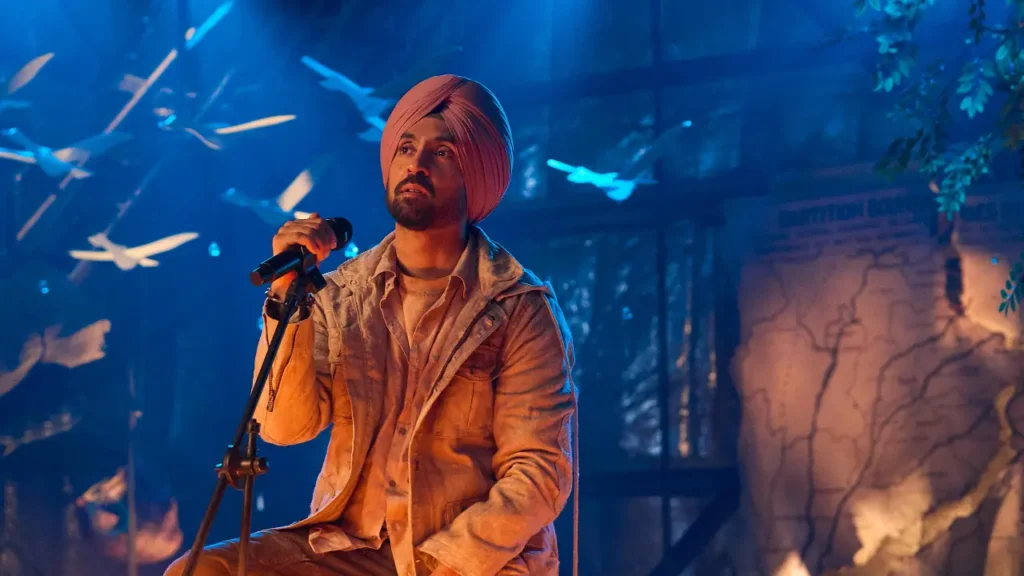
Then there is Diljit Dosanjh, a multi-faceted artist whose voice carries a unique blend of folk charm, raw emotion, and contemporary appeal. Dosanjh’s ability to convey both joyous exuberance and profound melancholy through his vocals makes him an ideal interpreter for such a sensitive subject. His delivery often feels like a heartfelt conversation, directly addressing the listener. For a ballad exploring the enduring nature of love against a backdrop of immense loss, his nuanced singing style adds layers of authenticity and vulnerability, making the pain and longing palpable. Sources within Punjabi entertainment circles often highlight Diljit’s sincerity and connection to stories rooted in regional history, making his involvement particularly resonant. His voice promises to be the comforting, yet aching, conduit for the story’s emotional journey.
The ballad itself, from early descriptions circulating in local arts communities, is described as a soothing melody. It moves away from the dramatic or overtly tragic depictions of Partition, opting instead for a tender, introspective approach. This choice allows the narrative to focus on the human experience—the quiet resilience of two souls holding onto their bond despite the world crumbling around them. It speaks to the universal truth that love, in its purest form, can be an anchor in the stormiest of times, a flicker of hope in the darkest night. The music does not dwell on the despair but rather elevates the sentiment of unwavering affection and the painful beauty of remembrance.
This song is more than entertainment; it’s a cultural touchstone. It serves as a gentle reminder for younger generations about the personal sacrifices and emotional landscapes of their ancestors, presented in an accessible and deeply affecting format. For those who lived through or heard first-hand accounts of Partition, it offers a moment of shared reflection, perhaps even catharsis. It emphasizes that history is not just about dates and events, but about the millions of individual lives, dreams, and loves that were shaped, broken, and sometimes, miraculously, preserved.
Here at Omni 360 News, we understand the profound impact such artistic endeavors have on community dialogue and historical understanding. This collaboration is set to become a significant contribution to the cultural tapestry, offering not just a beautiful song, but a powerful narrative that fosters empathy and remembrance. It underscores how art can serve as a bridge between past and present, bringing forgotten stories to light and ensuring that the lessons of history are never truly lost.
Key Takeaways:
- A powerful artistic reunion: Diljit Dosanjh, AR Rahman, and Irshad Kamil combine their distinct talents to tell a deeply human story.
- Focus on enduring love: The ballad explores the resilience of personal bonds amidst the devastation of the Partition, highlighting hope over despair.
- Emotional depth and historical resonance: The song is expected to connect with audiences by offering a tender, introspective look at a significant historical event.
- Masterful collaboration: Rahman’s evocative composition, Kamil’s profound lyrics, and Dosanjh’s heartfelt vocals are anticipated to create a cohesive and moving experience.
- Cultural significance: Beyond entertainment, the ballad serves as an important cultural piece, fostering remembrance and empathy across generations.