
play
Middle East Turmoil Fuels Urgent Diplomatic Push
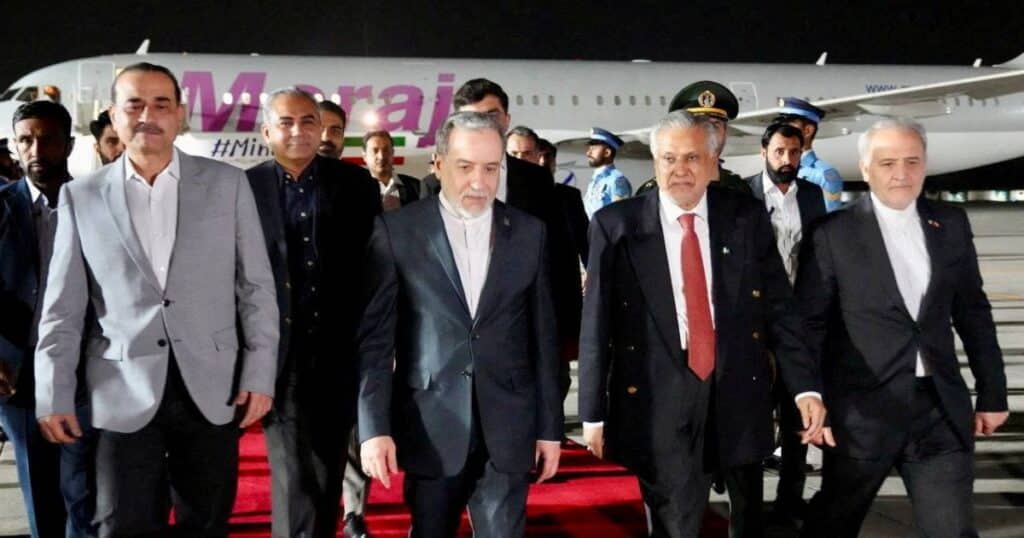
Another week, another flashpoint, and suddenly, a flurry of urgent diplomatic flights. When nations exchange cross-border fire, as Iran and Pakistan just did, the world holds its breath. But behind the headlines of escalating tensions and retaliatory strikes, real people worry. Families living near those borders wonder if their homes are safe, if peace will hold. It’s in this charged atmosphere that Iran’s top diplomat, Hossein Amirabdollahian, has been on the move, first to Islamabad to mend fences, and now off to Moscow, where the stakes couldn’t be higher.
Amirabdollahian spent a critical day in Pakistan, facing his counterpart Bilawal Bhutto Zardari. This visit wasn’t just a friendly chat; it followed a truly alarming exchange of missile and drone strikes between the two countries in January, targeting what each nation called “terrorist hideouts” on the other’s soil. Things got tense, quickly. Thankfully, both sides signaled a desire to de-escalate, emphasizing historical ties and shared concerns about regional stability. They even agreed to create a high-level committee to discuss security issues. Now, fresh from those delicate talks, he’s landed in Russia. Why? To deepen ties with a key strategic partner and, likely, coordinate on a range of shared international headaches.
Why Does This Diplomatic Shuttle Matter?
This isn’t just about a foreign minister collecting frequent flyer miles. It’s about two nations, Iran and Russia, under heavy Western sanctions, finding common ground and trying to re-shape the global order. Their partnership has grown substantially, especially since Russia’s war in Ukraine. They’re sharing military hardware, technology, and economic strategies. What’s actually happening here is simple: both countries feel isolated by the West, so they’re building their own power blocs. These aren’t just polite visits; they’re strategic moves to coordinate foreign policy, discuss energy deals, and potentially, align on critical regional issues like the ongoing chaos in Gaza, the future of Syria, and the precarious situation in Afghanistan. Think of it as a diplomatic huddle to discuss shared threats and opportunities away from the Western gaze. It’s a clear signal that the old alliances are shifting, and new ones are solidifying right before our eyes. The implications for regional stability, and global power dynamics, are huge.
The Atomic Answer: Iran’s Foreign Minister, Hossein Amirabdollahian, recently traveled from Pakistan to Russia. The Pakistan visit aimed to de-escalate tensions after cross-border strikes in January 2024. His subsequent trip to Russia underscores a deepening strategic alliance between Tehran and Moscow, driven by shared geopolitical interests and isolation from Western powers. They’re coordinating responses to global crises and strengthening bilateral cooperation.
The timing couldn’t be more pertinent. The Middle East remains a powder keg, with the Gaza conflict casting a long shadow over the entire region. Iran sees Russia as a critical counterweight to Western influence, particularly that of the United States. For Russia, an alliance with Iran provides access to vital military supplies and expands its geopolitical reach, allowing it to project power into areas where Western influence is typically dominant. They’re not just discussing peace in the Middle East; they’re discussing how their combined strength can alter the outcome. This isn’t simply diplomacy; it’s a recalibration of international relations. We’re watching the pieces on the global chessboard rearrange themselves, and these discussions in Moscow are a significant part of that complex, often unsettling, game.
Whether this new axis of power truly brings stability or simply creates new tensions is the million-dollar question. But one thing is for sure: ignoring these evolving relationships would be a huge mistake. The world is changing, and these diplomatic shuttles are telling us exactly which direction it’s headed.





