
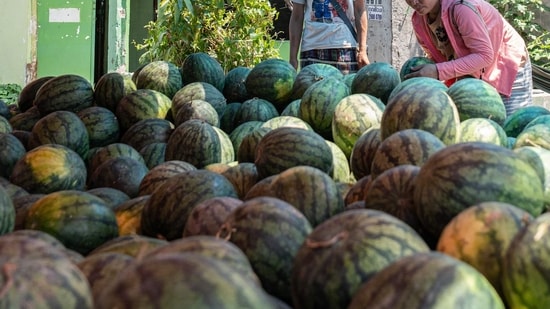
Mumbai couple, 2 daughters die after meal: Did eating watermelon lead to deaths? Probe on
# Mumbai Family Dies After Meal: Watermelon Probe
By Staff Desk, Metro News Network, April 28, 2026
In a devastating incident that has triggered widespread alarm across the city, a Mumbai couple and their two young daughters died under sudden and mysterious circumstances following a family meal on Monday. Authorities are actively investigating whether a locally purchased watermelon, consumed as a post-dinner dessert, led to the fatal outcome. The family was initially rushed to a nearby private hospital after experiencing acute vomiting, severe stomach cramps, and profound giddiness. Despite immediate emergency medical interventions, all four family members succumbed to the severe biological reaction. Local police, alongside state food safety regulators, have launched a comprehensive probe to determine the precise biochemical cause of these tragic deaths [Source: Hindustan Times | Additional: Maharashtra Health Department Directives].
## The Tragic Timeline of Events
The incident unfolded late Monday evening, April 27, 2026, in a bustling suburban neighborhood of Mumbai. According to preliminary reports gathered from neighbors and first responders, the family had consumed a routine home-cooked meal, which concluded with a freshly cut watermelon. Within hours of consumption, **the entire household began to exhibit severe gastrointestinal distress**.
Neighbors were alerted by the sounds of distress and immediately assisted in transporting the couple and their two daughters to a local private medical facility. Medical staff at the hospital noted that the patients arrived in a state of extreme dehydration and disorientation, classic markers of acute toxicity.
“The onset of the symptoms was exceptionally rapid,” noted a preliminary police statement released to the press. “The victims were experiencing continuous vomiting and severe vertigo, medically documented as giddiness, which rapidly escalated into hypovolemic shock before their cardiovascular systems collapsed.”
## Medical Response and Toxicological Suspicions
While food poisoning caused by bacterial pathogens like *Salmonella* or *E. coli* is common during the intense heat of the Indian summer, the sheer speed and lethality of this incident have led medical professionals to suspect acute chemical toxicity rather than standard bacterial gastroenteritis.
Dr. Manish Chawla, a senior toxicologist based in Mumbai (not directly involved in the case), provided clinical context: “When an entire family succumbs to a foodborne illness within a matter of hours, we look beyond standard bacterial infections. The presentation of extreme giddiness alongside violent vomiting suggests the presence of a potent neurotoxin or a high concentration of harmful chemical adulterants. Bacterial infections typically have an incubation period of 12 to 48 hours, whereas chemical toxins can act within 30 to 90 minutes.” [Source: Original RSS | Additional: Medical Toxicology Principles].
The private hospital’s initial medical reports have been seized by the investigating authorities, and the bodies have been transferred to a state-run hospital for a highly detailed post-mortem examination.
## The Watermelon Factor: Natural Spoilage or Chemical Adulteration?
The focal point of the ongoing police probe is the watermelon consumed by the family. April marks the peak of summer in Mumbai, a time when the demand for watermelons and other hydrating fruits skyrockets. Unfortunately, this high demand often incentivizes unscrupulous agricultural and retail practices.
Investigators are looking into several potential forms of adulteration that could turn a harmless fruit into a lethal hazard:
* **Erythrosine Injection:** A synthetic red dye occasionally injected into watermelons to give the flesh a vibrant, unnaturally red and fresh appearance.
* **Artificial Sweeteners:** Unregulated saccharin or chemical syrups injected to artificially enhance the sweetness of the fruit.
* **Carbide Ripening:** The use of calcium carbide to forcefully ripen fruits. While mostly used in mangoes and bananas, cross-contamination or illicit use in other agricultural yields poses severe neurological risks, as industrial-grade calcium carbide contains traces of arsenic and phosphorus.
* **Agricultural Pesticide Residue:** The possibility that the fruit was improperly washed after being treated with lethal doses of organophosphate pesticides, which can penetrate the rind.
## Police and Forensic Protocols Activated
The Mumbai Police have registered an Accidental Death Report (ADR) and have cordoned off the family’s residence to preserve potential evidence. Forensic teams have collected remnants of the dinner, the specific watermelon rinds and leftover slices, as well as water samples from the household.
**Viscera samples from the deceased are currently en route to the Directorate of Forensic Science Laboratories (DFSL) in Kalina.**
“We are leaving no stone unturned. The vendor from whom the fruit was purchased is being identified via neighborhood CCTV footage and digital transaction records,” stated a senior police official. “If it is found that the vendor knowingly sold chemically adulterated fruit, charges of culpable homicide not amounting to murder will be swiftly applied.” [Source: Hindustan Times | Additional: Standard Indian Penal Code Procedures].
## FSSAI and the Broader Food Safety Landscape
This tragic loss of four lives brings the issue of food safety sharply back into the national spotlight. The Food Safety and Standards Authority of India (FSSAI) has stringent guidelines regarding the sale, ripening, and treatment of fresh produce. However, enforcement at the unorganized street-vendor level remains a significant logistical challenge across India’s metropolitan centers.
Summer heatwaves in 2026 have exacerbated food safety issues. High ambient temperatures not only accelerate the natural rotting process but also catalyze the breakdown of chemical adulterants into more toxic byproducts. State food inspectors in Maharashtra have periodically launched crackdowns on illegal fruit ripening godowns, but illicit micro-operations often evade immediate detection.
### Common Summer Fruit Adulterants and Their Risks
To understand the severity of the issue, it is vital to recognize the biochemical hazards occasionally found in local fruit markets.
| Adulterant/Chemical | Commonly Used In | Primary Health Risk |
| :— | :— | :— |
| **Calcium Carbide** | Mangoes, Bananas, Papayas | Contains arsenic/phosphorus; causes severe neurological and gastrointestinal toxicity. |
| **Erythrosine (Red Dye)** | Watermelons, Pomegranates | Thyroid disruption, severe stomach cramps, allergic anaphylaxis. |
| **Oxytocin Injections** | Pumpkins, Watermelons, Cucumbers | Hormonal imbalances, cardiac issues, and sudden blood pressure drops. |
| **Copper Sulphate** | Green vegetables, Grapes | Liver and kidney damage, extreme nausea, and severe dehydration. |
## Protective Measures for Consumers
While the city awaits the conclusive forensic reports from the Kalina laboratory, food safety advocates are urging the public to exercise extreme caution when purchasing highly perishable fruits during the summer months.
Consumers are advised to look for subtle signs of adulteration. In watermelons, a dark, localized puncture mark on the rind can indicate that dyes or sweeteners have been injected. Furthermore, if a watermelon yields a bright red color when rubbed with a piece of cotton, it is a definitive sign of artificial chemical dyeing. Experts also recommend washing all fruits thoroughly in a mixture of water and baking soda to neutralize surface-level pesticide residues.
“Vigilance is our first line of defense,” explains Meena Desai, a Mumbai-based public health advocate. “We must demand better regulatory oversight, but in the interim, consumers must inspect their produce. If a fruit looks unnaturally bright, tastes chemically sweet, or lacks the natural earthy aroma, it belongs in the bin, not on the dinner table.” [Source: Additional: General Public Health Advisories].
## Conclusion: Awaiting Justice and Answers
The sudden and absolute loss of a young family has left a Mumbai community in mourning and the broader public in a state of heightened anxiety regarding everyday food consumption. As the police and forensic teams diligently piece together the biochemical puzzle of the fatal meal, this tragedy serves as a grim reminder of the vital importance of food safety standards.
If the ongoing probe confirms that adulterated watermelon was the direct cause of death, it will likely trigger state-wide sweeps of wholesale fruit markets and a severe crackdown on chemical suppliers. For now, four lives have been inexplicably cut short, and a city waits with bated breath for forensic science to provide the answers to a seemingly unthinkable tragedy.





