
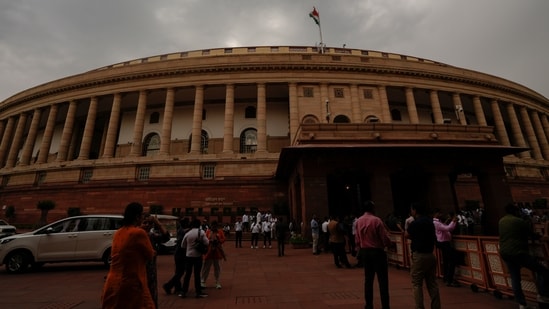
Severe thunderstorm warning for Delhi-NCR, IMD red alert in some parts as skies turn grey
# Delhi-NCR Severe Storm: IMD Issues Red Alert
**By Siddharth Verma, Regional Weather Desk** | **April 30, 2026**
On Thursday, April 30, 2026, the India Meteorological Department (IMD) issued urgent severe thunderstorm warnings across the Delhi-National Capital Region (NCR). As the afternoon skies turned an ominous grey, weather officials rapidly escalated warnings, placing outer NCR regions, including Meerut in Uttar Pradesh, under a critical red alert. Driven by a volatile mix of a Western Disturbance and local cyclonic circulations, this sudden atmospheric shift threatens the region with high-velocity squalls and intense lightning. Authorities are urging millions of residents across Delhi, Noida, Gurugram, and Ghaziabad to stay indoors and prioritize immediate safety protocols as the storm system descends upon the capital. [Source: Hindustan Times].
## The Abrupt Mid-Day Darkness over Delhi-NCR
What began as a typical, sweltering April morning in the national capital quickly devolved into a chaotic meteorological event by mid-afternoon. Around 2:00 PM IST, thick, charcoal-grey cumulonimbus clouds rolled over the Aravalli hills, plunging Delhi and its satellite cities into premature darkness. Streetlights flickered on along major arterial routes, including the Delhi-Meerut Expressway and the DND Flyway, as visibility dropped to near-zero in certain pockets.
The visual spectacle was accompanied by a sharp, dramatic plunge in temperature. Mercury levels, which were hovering around a stifling 41°C (105.8°F), plummeted by nearly 10 degrees within an hour, offering rapid but turbulent relief from the pre-monsoon heat. However, this cooling was accompanied by choking dust squalls (locally known as *Andhi*), which swept through the urban landscape, uprooting weak saplings, tearing down temporary hoardings, and forcing pedestrians to seek immediate cover.
## Decoding the IMD Alerts: Red, Orange, and Yellow
The India Meteorological Department operates on a strict color-coded alert system designed to convey the severity of incoming weather events to both the public and disaster management authorities. By Thursday afternoon, the IMD had stratified its warnings across the vast NCR geography based on the storm’s projected trajectory and intensity.
**Red Alert in Meerut and Outer NCR:** The highest level of warning, a red alert, implies that the public and authorities must “take action.” Meerut, situated in western Uttar Pradesh, faces the brunt of the storm cell. Residents here are warned of extreme weather, including wind gusts exceeding 70-80 km/h, heavy downpours, and high-intensity cloud-to-ground lightning strikes.
**Orange Alert in Noida and Ghaziabad:** Neighboring cities in the NCR, specifically Noida and Ghaziabad, have been placed under an orange alert, which translates to “be prepared.” While slightly less severe than the red alert, the orange warning still anticipates significant localized disruptions, power outages, and potential structural damage to temporary settlements.
**Yellow Warning in Delhi:** The core areas of the capital remain under a yellow warning (“be updated”). Forecasters anticipate moderate thunderstorms and gusty winds, advising citizens to remain vigilant and avoid unnecessary travel. [Source: Hindustan Times | Additional: IMD National Bulletin].
## Meteorological Triggers: What Fueled the Storm?
The severity of Thursday’s weather event is not an isolated anomaly but the result of specific synoptic features converging over northern India. A robust Western Disturbance—an extratropical storm originating in the Mediterranean region—swept across the Himalayas, creating a deep trough of low pressure.
Simultaneously, a cyclonic circulation lingering over central Pakistan and adjoining Rajasthan funneled immense amounts of moisture from the Arabian Sea into the northern plains. When this cool, moisture-laden air collided with the extreme surface heat of the NCR—which had been baking under late-April sun—it created violent convective currents.
“The atmosphere over the northern plains was highly unstable, acting like a pressure cooker waiting to release energy,” notes Dr. Abhinav Chaturvedi, a senior climatologist at the Indian Institute of Tropical Meteorology (IITM). “The rapid thermal convection led to the explosive growth of thunderclouds, stretching vertically up to 12 kilometers into the troposphere. This is what brings the sudden darkness, the intense downdrafts, and the hazardous lightning we are currently witnessing.” [Source: Independent Meteorological Analysis].
## Impact on Commuters and Aviation Gridlock
The sudden onslaught of the storm paralyzed evening commutes across the tri-state area. Major intersections in Delhi, including the ITO crossing, the Ring Road, and the AIIMS flyover, witnessed massive traffic bottlenecks as visibility dropped and drivers slowed to a crawl. In Gurugram, notorious for its drainage issues, rapid but brief spells of torrential rain led to immediate waterlogging in low-lying sectors, further exacerbating the vehicular gridlock.
The aviation sector took a significant hit. At the Indira Gandhi International Airport (IGI), flight operations were suspended for nearly 45 minutes during the peak of the squall. Several incoming domestic and international flights were placed in holding patterns, while at least eight flights were diverted to nearby airports in Jaipur and Lucknow due to dangerous wind shear conditions on the approach paths. Major airlines, including Air India and Vistara, issued urgent travel advisories on their social media platforms, urging passengers to check their flight statuses before heading to the airport.
## Agricultural Repercussions in UP and Haryana
While urban residents grapple with traffic and power cuts, the storm poses a much graver threat to the agricultural heartlands of western Uttar Pradesh and Haryana. Late April marks a critical window for the Rabi (winter) crop harvesting season, particularly for wheat.
The fierce winds and sudden rainfall associated with this red alert have sparked fears of widespread “lodging”—a condition where heavy winds flatten the mature wheat crops against the muddy ground, making them exceedingly difficult to harvest and significantly reducing grain quality.
“We were just days away from completing the harvest,” stated Rajesh Tikait, a farmer cooperative leader based near Meerut. “If the hail follows the rain, as it often does with these black clouds, months of labor will be washed away in an hour. The moisture will also delay the procurement process at the local mandis (markets).” Local agricultural extension offices have urged farmers to cover harvested produce with tarpaulins and ensure proper drainage in their fields where possible.
## Civic Preparedness and Safety Guidelines
In response to the IMD’s escalating alerts, local civic bodies and disaster response teams have moved to a state of high readiness. The National Disaster Management Authority (NDMA) has reissued its standard operating procedures for severe thunderstorms.
Key safety guidelines issued to the public include:
* **Seek Shelter Immediately:** Move indoors at the first sign of a storm or thunder. Avoid taking shelter under isolated trees, which act as natural lightning rods.
* **Disconnect Electronics:** Unplug heavy electronic appliances and avoid using corded telephones to prevent power surge damage from lightning strikes.
* **Avoid Water Bodies:** Stay away from open water, flooded streets, and metal structures like fences and poles.
* **Secure Loose Objects:** Residents in high-rise apartments are advised to secure potted plants, loose furniture, and tin roofs on their balconies and terraces.
Power distribution companies (DISCOMs) in Delhi and UP have also readied emergency response teams to address inevitable local outages caused by snapping power lines and falling tree branches. Pre-emptive power cuts were briefly implemented in parts of Ghaziabad to prevent electrocution hazards in waterlogged areas.
## Future Outlook: A Volatile Transition into Summer
As the storm system gradually moves eastward towards the Himalayan foothills, the immediate threat is expected to subside by early Friday morning. However, meteorological models indicate that the broader weather pattern will remain disturbed over the weekend.
The IMD forecasts a drop in maximum temperatures over the next 48 hours, providing a brief respite from the scorching April heatwave. Yet, this is a double-edged sword. The lingering moisture, combined with the returning sun by Sunday, will spike humidity levels, leading to highly uncomfortable “wet-bulb” conditions across the NCR.
The severe thunderstorm warning issued on April 30 serves as a stark reminder of the escalating volatility of pre-monsoon weather over the Indian subcontinent. As climate change continues to inject more heat energy into the atmosphere, meteorologists warn that urban centers like Delhi-NCR must prepare for these rapid, high-intensity storm events to become not just an occasional surprise, but a frequent springtime reality. For now, the millions residing in the shadow of these grey skies are left to wait out the storm, hoping the red alert passes with minimal destruction.





