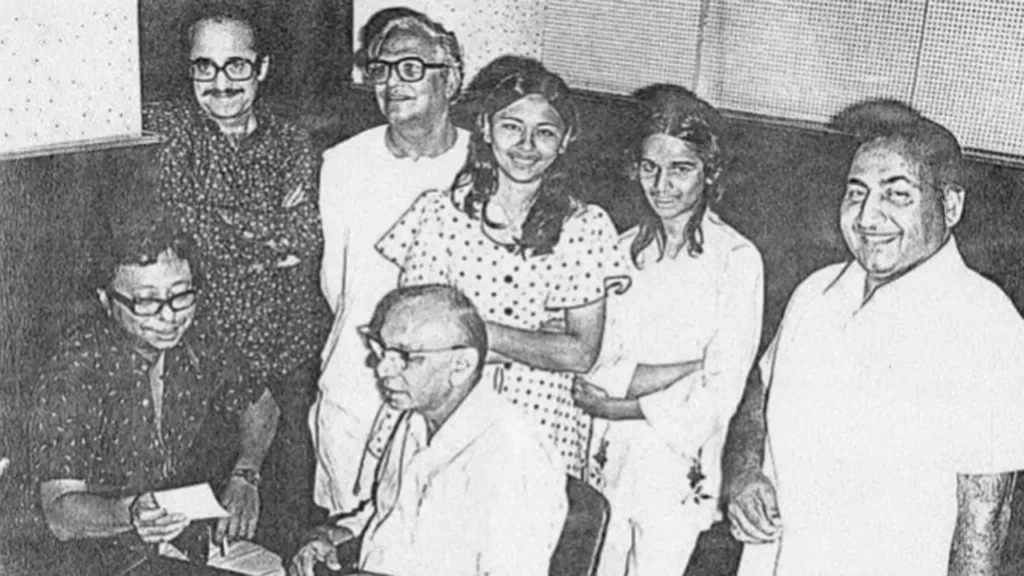
Daboo Malik gets nostalgic, recalls sessions with Kishore Kumar, Mohammed Rafi
Daboo Malik Unearths Precious Filmcenter Studio Memories with Music Icons
The echo of legendary voices often lingers in the hallowed halls where timeless melodies were first captured. Recently, music director Daboo Malik offered a heartfelt glimpse into such a past, stirring nostalgia across generations. He shared a poignant throwback from Mumbai’s iconic Filmcenter Studios, recalling recording sessions that saw him in the presence of India’s most revered musical titans: Kishore Kumar, Mohammed Rafi, Asha Bhosle, and Lata Mangeshkar. This shared memory serves as a valuable window into a golden era of Indian cinema music, a time when innovation met unparalleled artistry.
Filmcenter Studios, for decades, stood as a cornerstone of the Hindi film industry’s musical landscape. More than just a building, it was a crucible where melodies were forged, emotions amplified, and vocal magic meticulously recorded. For a young Daboo Malik, growing up within a family deeply entrenched in music—his father being the esteemed composer Sardar Malik—these studios were a second home, a vibrant classroom where he witnessed history unfold. His recent social media post, which quickly resonated with fans and industry veterans alike, transported many back to a time when these vocal maestros were at the peak of their powers, creating songs that would define an epoch.
Imagine the atmosphere: the hushed reverence as a recording session was about to begin, the meticulous placement of microphones, the anticipation in the control room. Daboo Malik’s recollection paints a picture of a period characterized by raw talent, dedicated craftsmanship, and an almost sacred devotion to music. These weren’t just sessions; they were collaborative artistry unfolding in real-time, often without the aid of today’s digital corrections. Every note, every nuance, had to be perfect from the take.
The luminaries Daboo Malik remembers were not merely singers; they were institutions. Kishore Kumar, with his unparalleled versatility and infectious energy, could transition from a soulful ballad to a playful jingle with effortless grace. His voice carried an inimitable zest for life, making every song an experience. Mohammed Rafi, often described as the voice of a million emotions, possessed a range and depth that allowed him to embody any character or situation, his voice a balm to the soul. His renditions were marked by pristine clarity and heartfelt delivery.
Then there was the evergreen Asha Bhosle, a chameleon of a singer whose adaptability and modern sensibilities allowed her to reinvent herself across decades. Her vivaciousness and ability to tackle diverse genres, from classical to cabaret, made her a true trailblazer. And finally, the incomparable Lata Mangeshkar, the “Nightingale of India,” whose pristine voice and ethereal quality could evoke profound emotions with a single phrase. Her presence alone commanded immense respect, her voice a national treasure. To be in a studio where these titans recorded, creating back-to-back hits, was to witness sheer musical alchemy.
Daboo Malik’s experience, as a young boy or budding musician, observing these legends at work, must have been a formative one. It wasn’t just about hearing them sing; it was about understanding their work ethic, their dedication, and the sheer power of their artistic expression. He would have seen firsthand the blend of talent, technique, and tireless effort that went into crafting each memorable track. This direct exposure to greatness undoubtedly shaped his own journey as a composer and producer, instilling in him a deep respect for the craft and the heritage of Indian music. Such personal anecdotes, shared through platforms like Omni 360 News, bring history alive, making it relatable for a new generation.
The charm of Filmcenter Studios during that era also lies in its simpler, yet profound, approach to recording. There were no auto-tuners or extensive digital manipulations. The focus was squarely on the artist’s natural voice, the musicians’ live performances, and the sound engineer’s acute ear. This environment fostered a culture of excellence, where every artist pushed the boundaries of their talent. Daboo Malik’s memory underscores this rich legacy, reminding us that true artistry often blossoms in authentic, unadulterated settings.
These throwback moments are more than just nostalgic trips; they are vital connectors to our cultural roots. They serve as an inspiration for aspiring musicians and a testament to the enduring power of classic melodies. They remind us that the foundations of today’s vibrant music industry were laid by giants, whose contributions continue to echo through time. For anyone looking to understand the essence of Indian film music, these stories from those who lived through it are invaluable.
Key Takeaways:
* Daboo Malik’s recent share from Filmcenter Studios highlights a significant period in Indian music history.
* The memories recall recording sessions with legendary singers Kishore Kumar, Mohammed Rafi, Asha Bhosle, and Lata Mangeshkar.
* Filmcenter Studios was a pivotal hub for crafting timeless Bollywood melodies, emphasizing raw talent and authentic recording processes.
* The presence of these music icons in one studio created an unparalleled atmosphere of artistic brilliance and collaboration.
* Such personal throwbacks provide invaluable insights into the golden era of Indian film music and inspire future generations.