
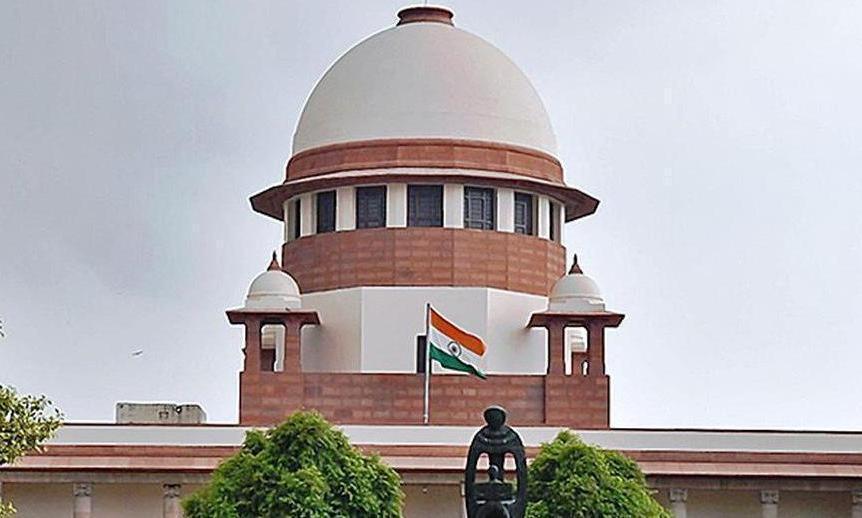
Landmark Supreme Court Ruling on West Bengal DA Arrears: An In-Depth Analysis
A Turning Point for State Employees
On Thursday, the Supreme Court of India delivered a definitive verdict regarding the long-standing dispute over the Dearness Allowance (DA) for West Bengal state government employees. In a move that balances the financial liabilities of the State with the fundamental rights of its workforce, the apex court has mandated the immediate commencement of arrear payments and the formation of a high-powered committee to resolve the disparity between State and Central DA rates.
For years, the West Bengal government and its employees have been locked in a legal battle. This ruling marks a significant shift from litigation toward execution, ensuring that the “right to DA” is not merely a theoretical concept but a tangible financial obligation.
The Formation of the Special Committee
Recognizing the complexity of the State’s fiscal health and the mathematical intricacies of DA calculations, the Supreme Court has ordered the establishment of a Special Committee. This body is tasked with mediating between the state administration and employee unions to finalize the roadmap for full DA settlement.
Committee Composition:
- Chairperson: Former Supreme Court Justice Indu Malhotra.
- Members: Two additional retired judges with expertise in administrative and financial law.
The committee’s primary role is to act as an arbitrator, ensuring that the state government cannot indefinitely stall payments under the guise of “financial incapacity.”
Key Mandates of the Ruling: The 25% Interim Relief
The most critical aspect of the court’s directive is the strict timeline imposed for the disbursement of funds. To provide immediate relief to the protestors and employees, the Supreme Court has ordered the following:
- Partial Disbursement: The West Bengal government must pay 25% of the total outstanding DA arrears to all eligible employees by March 31.
- Compliance Accountability: The State is required to submit a Compliance Report to the court by May 15. This report must document the successful transfer of funds to the employees’ accounts.
- The DA Gap: Currently, West Bengal state employees receive DA at a rate of 18%, while Central Government employees receive 58%. The court highlighted this 40% disparity as a critical issue that requires an expedited solution to maintain the parity of living standards.
The Legal Argument: DA as a Fundamental Right
Historically, the West Bengal government argued that DA is a discretionary benefit or “bounty” that the state provides based on its financial surplus. However, the legal precedent reinforced by this ruling suggests otherwise. The court’s intervention underscores that DA is a component of the “Right to Life” and “Right to Livelihood,” designed to offset the impact of inflation.
The ruling effectively dismisses the State’s plea of “empty coffers” as a valid reason for the non-payment of statutory dues. By appointing Justice Indu Malhotra, the court has signaled that it expects a solution that respects the dignity of the workforce.
Socio-Economic Implications for West Bengal
The financial impact of this ruling on the West Bengal state exchequer is substantial. With a 40% gap compared to Central rates, the total liability runs into thousands of crores. However, the influx of these arrears into the hands of several lakh employees is expected to:
- Boost Local Consumption: The liquidity injection before the end of the fiscal year will likely stimulate the state’s economy.
- Improve Civil Service Morale: The resolution of this friction is vital for the efficiency of the state administration.
- Set a National Precedent: Other states facing similar DA litigations will now look to this “Committee-led” model as a blueprint for resolution.
Conclusion: The Road to May 15
The ball is now in the State Government’s court. The deadline of March 31 serves as a litmus test for the administration’s willingness to comply with judicial orders. Should the state fail to meet the 25% payment threshold, it may face contempt of court proceedings. The employees, represented by various “Sangrami Joutha Mancha” (Joint Platforms), view this as a hard-won victory after years of protests at the Shahid Minar and legal battles in the High Court and Supreme Court.





