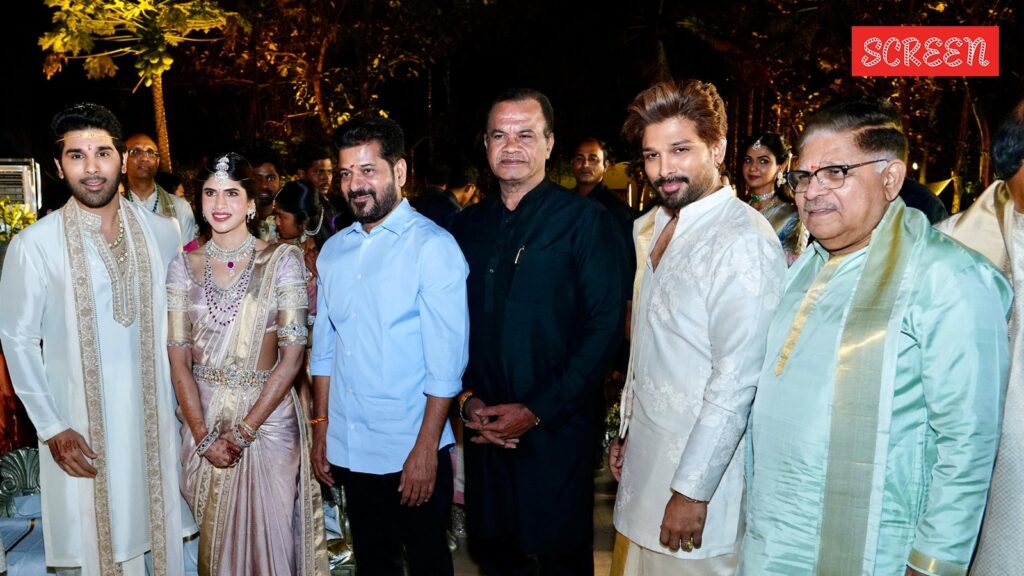
Allu Sirish ties the knot with his longtime girlfriend Nayanika Reddy in a traditional south Indian wedding. See first photos
Local Arts and Culture Initiatives Foster Community Resilience Key Takeaways
In an age dominated by vast digital landscapes and global headlines, the heartbeat of a community often resides in its local stories and shared experiences. Among these, local arts and culture initiatives stand out as silent architects, quietly building resilience and strengthening the social fabric of neighborhoods, towns, and cities. From small-town murals to vibrant community theater groups, these endeavors are far more than mere entertainment; they are vital arteries sustaining the unique identity and well-being of a locale. Omni 360 News delves into the profound, often underestimated, impact of these grassroots efforts.
For decades, local journalists, often operating with shoestring budgets, have documented the inception and evolution of these cultural touchstones. Their reports, found in weekly papers, online community portals, and municipal newsletters, reveal a consistent narrative: where art flourishes, communities often thrive. Consider the revitalization of a sleepy main street in a regional town; often, it begins not with a mega-corporation moving in, but with a collective of local artists transforming dilapidated storefronts into galleries, or a community group organizing a street festival celebrating local heritage. These small sparks ignite a flame of interest, drawing residents and visitors alike, and breathing new life into forgotten corners.
One of the most immediate impacts of local arts and culture is the fostering of a distinct sense of place. Every community possesses a unique character, and art serves as its visual and performative expression. Public art projects, such as murals depicting local history or sculptures crafted by regional artisans, contribute to a town’s identity, making it memorable and emotionally resonant for its inhabitants. These pieces become landmarks, conversation starters, and sources of collective pride. A local news feature might highlight the story of a neighborhood coming together to paint a mural, not just as an artistic endeavor, but as an act of reclaiming public space and building shared ownership.
Beyond aesthetics, the economic ripples of local cultural initiatives are substantial, though often subtle. Small galleries support local artists, providing a marketplace for their creations and keeping creative talent within the community. Craft fairs, farmers markets that incorporate local musicians, and community plays generate foot traffic for nearby small businesses, from independent coffee shops to bookstores. When a local theater group stages a performance, it’s not just ticket sales that matter; it’s the costume designers, prop builders, sound technicians, and volunteers—all often local residents—who contribute their skills, creating a micro-economy of creativity. Local tourism often benefits disproportionately from unique cultural offerings, attracting visitors seeking authentic experiences beyond generic attractions. Reports from suburban newspapers frequently showcase how weekend art walks or annual music festivals provide a much-needed boost to local eateries and lodging establishments.
Perhaps even more profound is the role of arts and culture in promoting social cohesion and individual well-being. Art acts as a universal language, transcending social, economic, and generational divides. Community art workshops bring together people from diverse backgrounds, fostering understanding and collaboration. Local choirs and dance groups create bonds, offering shared purpose and a sense of belonging that combats loneliness and isolation. For young people, participation in school plays, youth orchestras, or art classes provides invaluable outlets for self-expression, skill development, and confidence building—skills that extend far beyond the stage or canvas into their academic and personal lives. Local mental health advocates often champion art therapy programs, noting how creative expression can be a powerful tool for processing emotions and reducing stress. News segments on local access channels frequently feature interviews with participants in these programs, sharing their stories of healing and connection.
However, sustaining these vital initiatives is not without its challenges. Funding often remains a precarious endeavor, relying on grants, donations, and volunteer efforts. Local government support, while crucial, can be inconsistent, subject to budget cuts and shifting priorities. Small community art centers might struggle to reach wider audiences or secure permanent venues. Despite these hurdles, the sheer tenacity and passion of local artists, cultural organizers, and volunteers continue to drive these initiatives forward, illustrating a deep-seated belief in the power of art to enrich lives. Local fundraising drives, often highlighted in neighborhood bulletins, demonstrate the community’s commitment to preserving these cultural spaces.
In summary, the often-overlooked world of local arts and culture is a powerful engine for community resilience. It shapes identity, stimulates local economies, builds social bridges, and nurtures individual well-being. As communities navigate an increasingly complex world, investing in and celebrating these homegrown cultural endeavors becomes not just a luxury, but a fundamental necessity for robust, vibrant, and connected local life. Omni 360 News recognizes that these local narratives collectively paint a vivid picture of enduring human spirit and communal strength.
Key Takeaways:
* Local arts and culture define a community’s unique identity and sense of place.
* These initiatives drive local economies, supporting small businesses and creative professionals.
* They foster social cohesion, bridging divides and enhancing community well-being.
* Art and culture provide crucial avenues for youth development and personal expression.
* Despite funding challenges, passionate local efforts sustain these vital community assets.