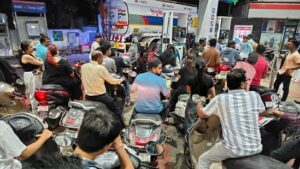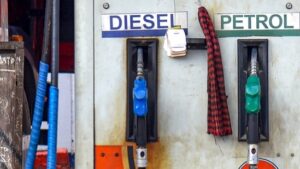
On day seven of Middle East war, no let-up in suffering
Navigating Higher Costs How Inflation Shapes Our Hometowns Omni 360 News Investigates
For generations, the heartbeat of our communities has resonated through local shops, bustling markets, and the everyday lives of families. Yet, a persistent hum has grown louder in recent times—the rising cost of living, commonly known as inflation. It’s a force that reaches far beyond the national headlines, weaving its way into the fabric of every local economy and household. Omni 360 News has delved into how these evolving economic pressures are uniquely impacting the suburban streets and quiet rural roads we call home.
Understanding the Everyday Squeeze
Inflation, simply put, means your money doesn’t stretch as far as it used to. Goods and services cost more, eroding the purchasing power of wages and savings. While economists point to global supply chain disruptions, energy price fluctuations, and increased consumer demand as primary drivers, for most people, it’s felt most acutely at the grocery store checkout, the gas pump, or when the monthly utility bill arrives. Local news reports from towns like Maple Creek and Harmony Springs regularly feature residents expressing concern over the escalating prices of staples—milk, eggs, bread, and fresh produce. It’s not just about bigger numbers on price tags; it’s about making tougher choices to keep food on the table and lights on at home.
Families Grapple with Hard Choices
Across our neighborhoods, families are learning to navigate a landscape of higher expenses. Young parents in Willow Creek are finding childcare costs increasingly challenging, often equaling or surpassing monthly rent payments. Fixed-income seniors in Oakwood village, who carefully budget their pensions, are now facing unexpected strain as property taxes and prescription drug prices creep upwards. Local food banks in districts like Northside are reporting unprecedented demand, with new faces appearing regularly, reflecting a broader struggle among those who once considered themselves financially stable. Many households have shifted their spending habits, cutting back on non-essential purchases like entertainment or dining out, impacting local businesses that rely on such discretionary spending. The dream of homeownership for many first-time buyers in thriving local markets now seems even more distant as mortgage rates climb and housing inventory remains tight, a recurring theme in discussions at community council meetings across various townships.
Small Businesses Adapt and Innovate
The backbone of any local economy is its small businesses, and they are certainly not immune to inflation’s bite. From the corner café in Greenville to the independent hardware store in Riverside, owners are grappling with increased operational costs. The price of ingredients for Sarah’s Bakery on Main Street has jumped significantly, forcing her to make difficult decisions about menu pricing or portion sizes. Carlos, who runs a local landscaping service, sees his fuel and equipment maintenance costs rise steadily, directly impacting his service charges. Reports from the local Chambers of Commerce indicate that many small enterprises are absorbing some of these costs to retain customers, squeezing their own profit margins.
However, resilience is a hallmark of local entrepreneurship. Many businesses are finding creative ways to adapt. Some are sourcing materials more locally to reduce transportation costs and support other community businesses. Others are re-evaluating their energy consumption or implementing more efficient inventory management systems. There’s a growing trend of local businesses collaborating, sharing resources, or jointly marketing to draw in customers, showcasing the spirit of camaraderie prevalent in our hometowns.
Community Responses and Local Solutions
In the face of these economic headwinds, communities are not standing idly by. Local initiatives are springing up, driven by a powerful sense of solidarity. Neighborhood organizations are establishing community gardens to provide fresh produce at little to no cost, while volunteer-run thrift stores offer affordable clothing and household items. Local aid societies are expanding their services, offering utility assistance and financial literacy workshops. Even local governments are stepping up, exploring options like property tax relief programs for vulnerable residents or supporting affordable housing projects to ease the burden on renters. The discussions around these solutions, often highlighted in local government meeting minutes reviewed by Omni 360 News, demonstrate a collective effort to cushion the blow of rising costs. These grassroots efforts, though small in scale, provide critical lifelines and foster a stronger, more supportive community environment.
A Path Forward Navigating the New Economic Reality
The ongoing impact of inflation presents an undeniable challenge, reshaping economic realities for individuals and local businesses alike. While broader economic forces are at play, the human stories emerging from our towns and villages underscore the importance of local vigilance and community support. There are no quick fixes, but an informed populace, a proactive business community, and supportive local governance can make a substantial difference. By continuing to shop local, supporting community aid programs, and engaging in local policy discussions, residents contribute to the collective strength needed to navigate these financial waters. Omni 360 News remains committed to bringing these local stories to light, providing insights and fostering the dialogue essential for building resilient communities.
Key Takeaways
- Inflation significantly increases the cost of everyday essentials for local families.
- Households are making tough spending choices to manage rising expenses.
- Small businesses face higher operational costs but are demonstrating notable adaptability.
- Local community initiatives and government programs offer crucial support systems.
- Collective action and local focus are vital for mitigating inflation’s ongoing effects.