
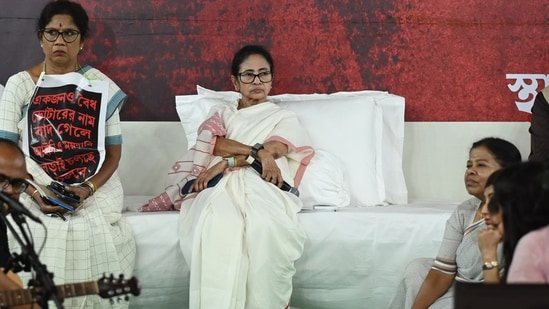
‘Bengal being targeted, no breach of protocol’: Mamata Banerjee reacts to 'insult to President' row| India News
President Murmu and Santal Cultural Gathering Venue Change Raises Questions
The serene foothills near Siliguri district recently found themselves at the center of a quiet but significant stir, following a reported incident involving President Droupadi Murmu. The controversy unfolded around a planned cultural interaction with the local Santal tribal community, an event that saw an unexpected venue alteration, leading to the President’s expressed displeasure. This development, closely observed by Omni 360 News, highlights critical considerations regarding cultural sensitivity, administrative protocols, and the deep symbolic value of such interactions.
Understanding the Santal Community’s Roots
To fully grasp the gravity of the situation, it is essential to understand the Santal community. The Santals are one of India’s largest and most prominent indigenous tribal groups, with a rich history, distinct language (Santali), vibrant traditions, and a profound connection to their land and ancestral customs. Predominantly agrarian, their culture is woven with intricate dances, music, festivals, and storytelling. For a community that has often faced socio-economic challenges and the struggle for cultural preservation, a direct engagement with the nation’s highest constitutional office, particularly one held by a tribal woman, holds immense symbolic and practical importance. Such events are not merely official functions; they are moments of recognition, validation, and a reaffirmation of their place within the national fabric.
The Planned Gathering and Unexpected Shift
Sources close to local organizers indicated that an interaction for President Murmu with members of the Santal community had been meticulously planned. The initial proposal, crafted with community input, reportedly favored a venue that was either culturally resonant – perhaps a traditional community hall or an open ground historically used for their gatherings – or one that offered easy accessibility for elderly members and cultural performers from various villages. These initial plans aimed to foster an authentic and respectful environment for the President’s engagement with the tribal elders and youth.
However, in the days leading up to the President’s visit, a decision was made by local administrative authorities to shift the venue. The new location, while potentially offering better logistical support or security arrangements from an official standpoint, reportedly lacked the inherent cultural connection or convenient accessibility of the original choice. While specific reasons for the change were officially cited as “operational adjustments” or “security enhancements,” the move reportedly caused unease among community representatives who had anticipated a different setting. Local reports suggest a perception that the change might have overlooked the very essence of facilitating a genuine, community-centric interaction.
President Murmu’s Expression of Displeasure
The core of the controversy stems from President Murmu’s reaction. Having herself emerged from a tribal background, her understanding of indigenous cultures, their protocols, and the sensitivities involved is profound. When she arrived at the revised venue, reports suggest she observed the setting and expressed her displeasure regarding the change. This was not merely a logistical concern but an indication of a deeper disappointment. It underscored the importance of respecting the spirit of community engagement, especially when interacting with tribal groups, where location, accessibility, and cultural appropriateness play a significant role in fostering trust and genuine dialogue. Her reaction sent a clear message: official convenience should not overshadow cultural respect and community comfort, particularly in events designed to honor and interact with indigenous peoples.
Local Voices and Sentiments
The incident resonated deeply within the local Santal community. Many members, especially cultural leaders and elders, expressed a sense of missed opportunity. They had anticipated showcasing their traditions in a more natural and welcoming environment, which they felt would have allowed for a more meaningful exchange with the President. While no direct protests were reported, there was an underlying current of disappointment that the arrangements, despite good intentions, might have inadvertently diminished the unique character of the interaction. Local community leaders, speaking to neighborhood reporters, articulated the desire for future events to prioritize consultation with tribal representatives to ensure venues and arrangements truly reflect the community’s needs and cultural values. This incident, while seemingly minor on the national stage, served as a stark reminder of the continuous need for administrative bodies to exercise greater cultural empathy and collaborative planning when organizing events involving indigenous populations.
The Path Forward
This situation in Siliguri offers a valuable lesson in governance and community relations. It emphasizes that interactions with culturally distinct groups require more than just logistical efficiency; they demand a nuanced understanding of their heritage, customs, and expectations. For administrators, it underscores the necessity of robust prior consultation with community representatives and an acute awareness of the symbolic impact of every decision. For the Santal community, it highlights the continued need to advocate for their cultural spaces and the respectful presentation of their identity.
Key Takeaways:
* The incident highlights the critical importance of cultural sensitivity in official engagements with indigenous communities.
* President Murmu’s reaction underscores the need for administrative protocols to prioritize community comfort and cultural relevance over mere logistical convenience.
* Genuine engagement with tribal groups requires respectful consultation with community leaders regarding event planning, including venue selection.
* Such events are deeply symbolic for tribal communities, representing recognition and affirmation, and any perceived oversight can have significant impact.





