
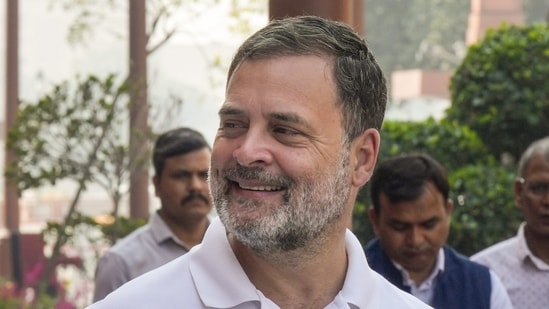
Rahul Gandhi arrives in Haryana's Sonipat to attend wedding in farmer's family| India News
Sonipat’s Madina Village Witness To Rahul Gandhi’s Farmer Outreach Key Insights
A quiet village in Sonipat, Haryana, recently found itself in the spotlight as former Congress President Rahul Gandhi paid an unexpected visit to a farmer’s family wedding. Far from the usual political rallies and formal engagements, Gandhi’s presence at this personal occasion offered a rare glimpse into a leader connecting directly with the rural heartland, a move that carries significant symbolic weight in India’s political landscape.
The visit, which transpired on a serene day, saw Gandhi joining in the festivities for a wedding ceremony in Madina village. He was warmly received by the farming family, whose joy and surprise at hosting such a prominent political figure were palpable. Accompanying him was local Congress stalwart and Member of Parliament Deepender Singh Hooda, whose presence underlined the local party’s strong roots and its immediate connection to the event. The atmosphere, according to local residents, was one of genuine warmth and simplicity, a stark contrast to the often-orchestrated nature of political gatherings.
For a leader like Rahul Gandhi, known for his recent cross-country ‘Bharat Jodo Yatra’ aimed at fostering direct public engagement, such a visit is more than just a social courtesy. It is a deliberate, yet often understated, strategy to reinforce his image as a politician who understands and values the ground realities faced by ordinary citizens, particularly farmers. Haryana, a predominantly agricultural state, has a deep-seated connection to farming communities, and any gesture of solidarity or presence from a national leader resonates strongly here. Madina village, like countless others across the state, represents the very core of this demographic.
During his time in the village, Gandhi reportedly engaged with the wedding attendees, sharing simple meals and conversing with villagers about their lives and concerns. Eyewitness accounts from local news platforms highlighted his unassuming demeanor, as he sat among the guests, listened attentively, and participated in the festive spirit. This direct interaction, devoid of grand speeches or elaborate political agendas, serves to humanize the leader and bridge the perceived gap between the political elite and the common populace. It is a powerful way to show empathy and shared experience, crucial elements in building trust and rapport.
Deepender Singh Hooda’s role in this visit was equally noteworthy. As a prominent figure in Haryana politics and a strong voice for farmers, his presence alongside Gandhi signaled a united front from the Congress party. It communicated that the party’s concerns for farmers are not just rhetorical but are reflected in the actions of its top leadership. For Omni 360 News, observing such strategic engagements provides valuable insight into the evolving communication tactics of political parties and their leaders. These seemingly small acts often carry significant implications for public perception and future electoral outcomes.
The political messaging embedded in this visit, though subtle, is clear. It speaks to a renewed focus on agrarian issues and a commitment to connecting with the rural voter base. In a country where agriculture remains the backbone of the economy and farmers often face myriad challenges, a leader physically showing up at a farmer’s home, sharing in their celebrations, sends a powerful signal of support and recognition. It suggests that their lives and their moments of joy and struggle are important enough to warrant personal attention from national figures.
This kind of grassroots outreach is particularly vital for a party like Congress, which seeks to rebuild its connection with various sections of society. By choosing a private family event in a rural setting, Gandhi effectively bypassed the usual filters of large media conferences, delivering his message directly through his actions and presence. This approach aligns with a broader trend in modern political campaigning, where authenticity and direct human connection are increasingly valued by voters.
Key Takeaways from the Madina Village Visit:
* Reinforced Farmer Connect: The visit strongly underscores Rahul Gandhi’s continued focus on engaging with farming communities, a critical demographic for any political party in India. It builds on his consistent advocacy for farmers’ rights and welfare.
* Emphasis on Grassroots Engagement: Attending a family wedding rather than a formal political event highlights a strategy of direct, unmediated interaction with citizens at the local level, fostering a sense of accessibility and relatability.
* Showcasing Approachability: By participating in a simple, personal celebration, Gandhi projected an image of humility and approachability, breaking down the barriers often associated with high-profile politicians.
* Strengthening Local Party Morale: The presence of a national leader alongside local figures like Deepender Singh Hooda can significantly boost the morale of party workers and reinforce the Congress party’s local presence and network in regions like Sonipat.
In conclusion, Rahul Gandhi’s visit to Madina village for a farmer’s wedding was more than a mere social call. It was a well-observed gesture that underscored a particular political narrative: one of direct connection, empathy, and a sustained focus on the concerns of India’s agricultural backbone. As leaders continue to seek genuine ways to connect with the populace, such human-centric engagements, keenly observed by Omni 360 News, offer a potent and enduring form of political communication, resonating far beyond the village boundaries.





