
Paramilitaries likely to be withdrawn from Bastar by Mar 2027: Chhattisgarh DYCM| India News
Chhattisgarh A Race Against Time To End Left-Wing Insurgency By 2026
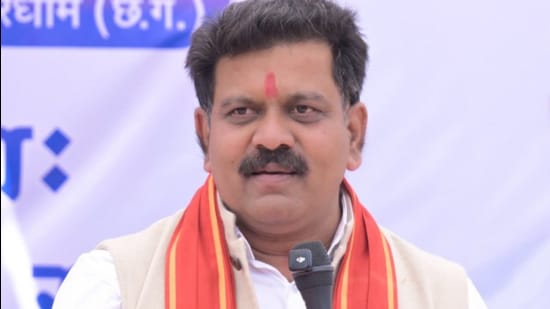
Raipur, Chhattisgarh – The dense forests and rugged terrains of Chhattisgarh have long been the battleground in a protracted conflict with Left-wing insurgent groups. Now, a significant deadline looms on the horizon, as Chhattisgarh Deputy Chief Minister Vijay Sharma has confirmed the Union government’s ambitious target to end the Left-wing insurgency by March 31, 2026. This declaration, relayed by Omni 360 News, sets a clear, albeit challenging, timeframe for restoring lasting peace and development to some of the state’s most vulnerable regions.
For decades, the shadow of Left-wing extremism, often referred to as Naxalism or Maoism, has stretched across parts of central and eastern India, with Chhattisgarh bearing a substantial brunt. These armed groups, claiming to fight for the rights of the marginalized, particularly tribal communities, have historically opposed state authority, disrupting development and instilling fear. Their stronghold often lies in remote, resource-rich areas, where government presence has been historically sparse, leading to a complex web of socio-economic and security challenges.
The setting of a definitive deadline signals a renewed and intensified commitment from both the state and central governments. It is not merely an arbitrary date but reflects a strategic push built on a two-pronged approach: robust security operations coupled with accelerated development initiatives. The belief is that by simultaneously weakening the insurgents’ operational capabilities and addressing the root causes of discontent, the cycle of violence can finally be broken.
On the security front, efforts have focused on enhancing intelligence gathering, strengthening police and paramilitary presence in critical zones, and undertaking precise counter-insurgency operations. The establishment of new security camps in previously inaccessible areas is a cornerstone of this strategy. Local news reports from regions like Bastar frequently highlight the expansion of security forces, pushing insurgents further into retreat and creating safe corridors for development projects. This increased presence aims to dismantle the logistical networks of these groups, disrupt their recruitment, and facilitate the surrender of disillusioned cadres. Amnesty and rehabilitation programs are vital components, encouraging those entangled in the insurgency to lay down arms and rejoin mainstream society.
Equally crucial, if not more so, is the development offensive. The government understands that military solutions alone cannot bring lasting peace. Therefore, a massive thrust is being made to deliver basic amenities and opportunities to the populace in affected areas. This includes constructing vital infrastructure like roads and bridges that connect isolated villages to district headquarters, breaking down geographical barriers that insurgents exploit. Schools are being built and made operational, providing education as a pathway out of poverty and indoctrination. Healthcare facilities are being improved to ensure access to essential medical services, a fundamental right long denied to many in these remote areas. Livelihood generation programs, focusing on agriculture, forest produce, and skill development, are being introduced to create economic alternatives and reduce dependency on illicit activities or forced support for insurgent groups.
The success of this ambitious target hinges on several factors. Collaboration between central and state agencies, seamless coordination between security forces and civil administration, and sustained public participation are paramount. Local community leaders and tribal elders play a crucial role in bridging the trust deficit that often exists between the state and the remote communities. Their involvement is key to ensuring that development initiatives are relevant and meet the actual needs of the people.
While the 2026 deadline represents an optimistic vision, the ground realities present formidable challenges. The deeply entrenched ideology of the insurgents, the difficult terrain, and the complex socio-economic grievances that fuel the conflict cannot be wished away overnight. There will undoubtedly be continued skirmishes, challenges to infrastructure development, and attempts by insurgent groups to regain lost ground. However, the government’s resolve, bolstered by a clear timeline, is intended to maintain momentum and ensure a focused approach.
For the ordinary citizen, particularly those living in the shadow of this insurgency, the deadline offers a glimmer of hope for a future free from violence and fear. It signifies a future where children can go to school without apprehension, where medical aid is readily available, and where economic opportunities are no longer a distant dream but a tangible reality.
Key Takeaways:
* Chhattisgarh Deputy Chief Minister Vijay Sharma confirmed a March 31, 2026 deadline set by the Union government to end Left-wing insurgency.
* The strategy combines intensified security operations with accelerated development in affected regions.
* Security efforts include expanded camps, enhanced intelligence, and surrender policies.
* Development initiatives focus on infrastructure, education, healthcare, and livelihood generation.
* Success depends on strong inter-agency coordination, community participation, and sustained commitment.
* The deadline aims to bring lasting peace, security, and socio-economic progress to historically conflict-ridden areas.
The journey to peace in Chhattisgarh is complex and arduous. Yet, with a clear deadline and a comprehensive strategy, the state is poised to make a decisive push towards an era where development, not conflict, defines its future.





