
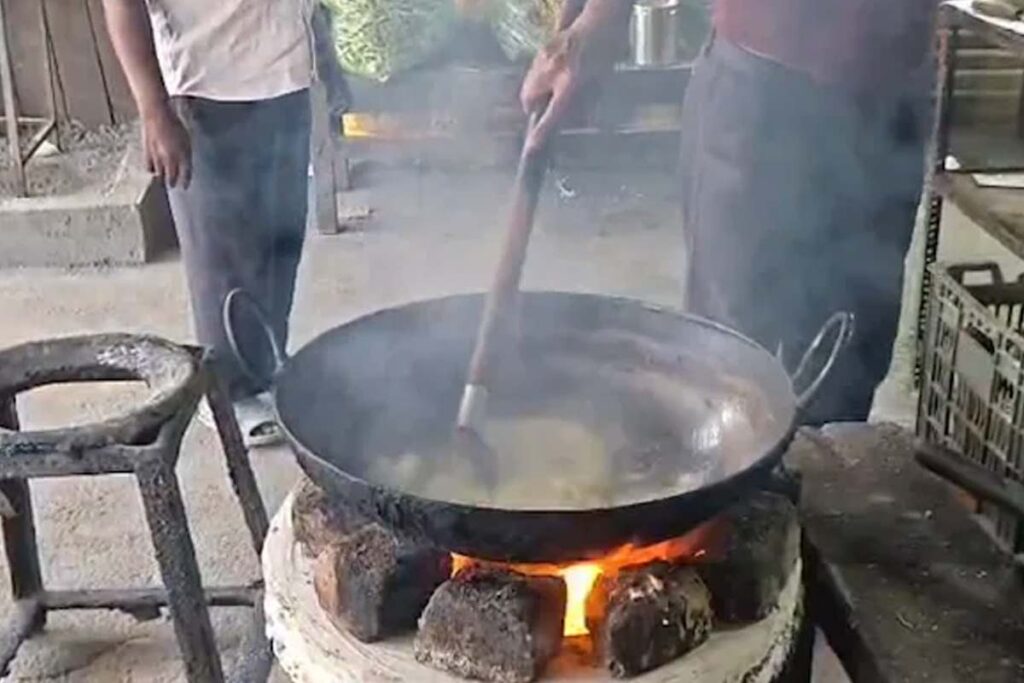
Iran War: wood, coal replacing LPG
Here is a detailed report from Omni 360 News, written by a seasoned journalist, on the evolving fuel situation in India’s major cities.
Cooking Gas Shortage Drives Metro Cities Back to Firewood and Coal
Across bustling metropolitan centers, a quiet but significant shift is underway in kitchens, both commercial and domestic. An ongoing fuel crisis, exacerbated by global geopolitical tensions, has led to a severe shortage of cooking gas, prompting many to revisit the age-old methods of firewood and coal. This unexpected return to the past is now commonplace in cities like Kolkata, Chennai, and Bengaluru, creating a ripple of concern for businesses and households alike. Omni 360 News has observed this growing trend, signaling a broader impact on daily life and local economies.
The “gas pain,” as it’s being termed by many, is palpable. Restaurants, once reliant on the steady supply of liquefied petroleum gas (LPG) cylinders, are struggling to keep their doors open. The scarcity means exorbitant black-market prices for LPG, pushing operational costs beyond sustainable limits for many small and medium-sized eateries. This predicament is forcing a nostalgic, yet economically driven, embrace of cooking fuels reminiscent of the 1980s and 90s, when wood-fired stoves and charcoal embers were standard fixtures.
Consider Bengaluru, India’s tech hub, where the impact is acutely felt. Thindiez, a popular cafe located directly opposite the ruling Congress party’s state headquarters, offers a striking example. Once a vibrant spot serving a diverse menu of idlis, vadas, rice dishes, and dosas, it now primarily serves only tea and coffee. The cafe owner expresses deep frustration over the prohibitive cost of gas in the parallel market, an expense they simply cannot absorb. This drastic reduction in offerings is not an isolated incident; it’s a desperate measure many food establishments are taking to merely stay afloat. The lively food culture of such cities risks being dimmed by this pervasive cooking gas shortage.
The culinary landscape of Kolkata, renowned for its street food and diverse restaurants, is also under a cloud of anxiety. From the iconic food stalls of Deckers Lane to the famous biryani outlets in Park Circus, and stretching from Sealdah to Jadavpur, the uncertainty surrounding gas supply looms large. Beyond the commercial kitchens, the crisis is casting a shadow over household cooking. Many homemakers find themselves in a bind, with booked gas cylinders not arriving, leading to immense frustration and disruption of daily routines. This shortage has prompted an undeniable surge in the demand for and use of coal and firewood in residential areas. Long-time residents recall a time when the Kolkata skyline would fill with plumes of smoke at dawn, as wood and coal fires were lit in homes—a scene captured vividly in films like Mrinal Sen’s “Chalchitra.” The current situation eerily mirrors those bygone days.
Chennai and other major urban centers are experiencing similar pressures. Eateries are being compelled to prune their menus, often removing dishes that require extensive cooking gas. This not only limits consumer choice but also affects the traditional culinary experience. The switch to alternative fuels, while a temporary solution, brings its own set of challenges, including managing smoke, sourcing consistent supply, and adapting cooking techniques.
The shift has profound economic and social ripples. Small businesses, often operating on thin margins, are particularly vulnerable. The increased reliance on wood and coal also raises environmental concerns regarding air quality, especially in densely populated urban areas. For households, it means additional labor, health considerations from indoor smoke, and a departure from the convenience that modern cooking gas once afforded.
As the global situation remains volatile, the immediate future for reliable cooking gas supply appears uncertain. Restaurant owners, small business proprietors, and ordinary citizens are all waiting anxiously for a return to normalcy. The current fuel crisis is more than just an inconvenience; it’s a stark reminder of how interconnected global events are with local daily lives, challenging the fabric of urban living and pushing communities to adapt to unforeseen circumstances. Omni 360 News continues to monitor this evolving situation, highlighting the human element behind the headlines.
Key Takeaways
* Ongoing global conflicts have triggered a significant cooking gas shortage across India’s metro cities.
* Restaurants and cafes in Kolkata, Bengaluru, and Chennai are increasingly reverting to firewood and coal as primary cooking fuels.
* The high cost and unavailability of LPG cylinders in the black market are forcing businesses to drastically cut menus and operational hours.
* Households are also facing delays in gas cylinder deliveries, leading to increased use of traditional fuels like coal and firewood.
* This situation evokes a sense of nostalgia for earlier decades but also brings economic challenges for businesses and practical difficulties for homes.
* The crisis highlights the vulnerability of urban infrastructure to global events and raises concerns about environmental impact and daily convenience.





