
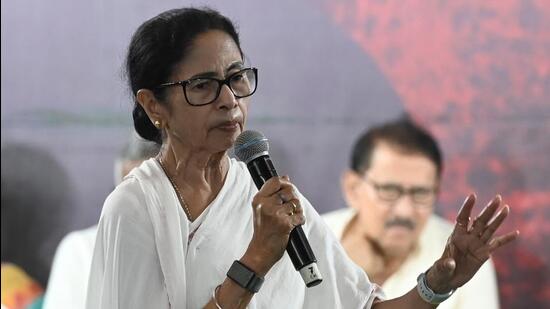
Mamata Banerjee targets PM Modi over LPG price rise, announces rally in Kolkata| India News
**Mamata Banerjee Challenges PM Modi Over Rising LPG Costs, Trinamool Congress Plans Kolkata Rally March 16**
The political landscape of West Bengal is once again abuzz with heightened tensions as Chief Minister Mamata Banerjee has sharply criticized Prime Minister Narendra Modi and the central government regarding the escalating prices and reported scarcity of Liquefied Petroleum Gas (LPG) cylinders. In a decisive move to amplify her protest, the Trinamool Congress (TMC) chief has announced a major rally scheduled for March 16 in Kolkata, aimed at mobilizing public sentiment against these pressing economic concerns. Omni 360 News provides a detailed examination of the developing situation.
For countless households across West Bengal, the humble LPG cylinder is more than just a cooking fuel; it’s a fundamental necessity that dictates daily budgets and quality of life. Recent trends in LPG pricing, however, have transformed this essential commodity into a significant financial burden for many families, particularly those in middle and lower-income brackets. Reports from local communities paint a stark picture: families are struggling to manage their monthly expenses as the cost of refilling cylinders climbs steadily, leaving little room for other crucial outlays. This economic strain forms the bedrock of Chief Minister Banerjee’s latest offensive against the central administration.
The Core of the Grievance: Soaring Prices and Scarcity
Mamata Banerjee’s recent statements have repeatedly hammered on two critical points: the unrelenting rise in LPG prices and an alleged widespread shortage of cylinders. Speaking at various public engagements, the Chief Minister has accused the Bharatiya Janata Party (BJP)-led central government of failing to control inflation and neglecting the plight of ordinary citizens. She contends that while international crude oil prices may fluctuate, the domestic pricing mechanism for LPG has become opaque and unfairly punitive for consumers.
Local news outlets across West Bengal have been replete with stories highlighting the predicament of common citizens. From North 24 Parganas to Bankura, homemakers voice frustration over monthly budgets being stretched to their breaking point. A significant portion of a household’s income, which might previously have been allocated for education, healthcare, or other daily needs, is now increasingly diverted to simply keeping the kitchen running. This economic pressure is not merely an abstract figure on a balance sheet; it translates into tangible sacrifices within homes, affecting dietary choices and overall living standards.
Adding to the price woes is the reported scarcity of LPG cylinders in many districts. Residents in areas like Howrah and Purulia have spoken of longer waiting times for refills and, in some extreme cases, alleged black-market dealings emerging due to irregular supply. Such shortages exacerbate the financial burden, often forcing desperate families to pay premium prices or resort to less efficient, more polluting traditional cooking methods, thereby undoing years of progress made under various clean cooking fuel initiatives.
Understanding the Economic Impact for a 12th Grader
Imagine a family’s monthly budget, much like a limited pocket money allowance. Every month, a certain amount is set aside for food, school fees, transport, and other necessities. Now, picture the cost of one of the most important items – the cooking gas – suddenly jumping up significantly. If your parents used to pay, say, 1000 rupees for a cylinder, and now they have to pay 1200 or 1300 rupees, that extra 200-300 rupees has to come from somewhere else. Maybe they have to cut down on buying fresh vegetables, or delay buying new school books, or even reduce how much they save.
When this happens to millions of families, it creates a big problem for the entire economy. People have less money to spend on other things, which means shops sell less, and businesses might earn less. This cycle can slow down economic growth. For the government, managing these prices is a big challenge because it affects everyone, from the poorest families to the middle class. Mamata Banerjee’s argument is that the central government has allowed these prices to rise unchecked, putting immense pressure on these families.
The Trinamool Congress Rally: A Political Statement
The announcement of a mass rally in Kolkata on March 16 is a clear strategic move by the Trinamool Congress. Kolkata, as the state capital and a major urban center, serves as a powerful stage for political protests. Such a gathering aims to achieve several objectives:
1. Mobilization and Public Pressure: The rally will serve as a platform to unite party workers and common citizens, channeling their grievances into a collective voice. The sheer number of participants is intended to send a strong message to the central government about the depth of public anger.
2. Political Messaging: With upcoming elections potentially looming, the TMC seeks to underscore the central government’s perceived failures on economic fronts, positioning themselves as the defenders of the common people. This narrative is crucial for garnering electoral support.
3. Highlighting State vs. Centre Dynamics: The protest also reinforces the ongoing political tussle between the West Bengal government and the central administration. Mamata Banerjee has consistently criticized what she views as central government policies that disregard the welfare of the states.
This rally isn’t just about LPG prices; it’s a manifestation of the broader political rivalry that defines West Bengal’s current landscape. The Trinamool Congress will leverage this visible demonstration of discontent to challenge the BJP’s narrative and influence public opinion ahead of any electoral contests.
Broader Implications and The Road Ahead
While the immediate focus is on West Bengal, the issues of rising LPG prices and fuel inflation are national concerns. Other state leaders and opposition parties have also voiced similar criticisms, suggesting a broader discontent with the central government’s economic management. Mamata Banerjee’s aggressive stance often sets a precedent for how regional parties might challenge the central authority on issues that directly impact daily lives.
The central government, through its various ministries, has often cited global crude oil price fluctuations, supply chain challenges, and the need to reduce subsidies as reasons for price adjustments. However, these explanations often fall short for a public grappling with the immediate impact on their household budgets. The upcoming rally will likely intensify the debate, forcing both the state and central governments to address these concerns more directly.
As the date for the Kolkata rally approaches, political observers will be keenly watching the turnout and the rhetoric employed by TMC leaders. The success of this protest in generating sustained public discourse and pressuring policy changes remains to be seen, but it unequivocally marks a significant escalation in the ongoing political slugfest between West Bengal’s ruling party and the central government. Omni 360 News will continue to track developments closely.
Key Takeaways:
* West Bengal CM Mamata Banerjee has strongly criticized PM Modi and the central government over rising LPG prices and reported shortages.
* The Trinamool Congress (TMC) will hold a major rally in Kolkata on March 16 to protest these issues.
* Rising LPG costs are significantly straining household budgets, particularly for middle and lower-income families.
* Reports from local sources indicate difficulties in obtaining LPG refills and concerns about black-market activities.
* The protest is a strategic move by the TMC to mobilize public support and challenge the central government’s economic policies ahead of potential elections.
* The issue highlights broader economic concerns and the ongoing political rivalry between the state and central administrations.





